
Brazil’s Electoral Court Unanimously Bars Populist Influencer Pablo Marçal From Presidential Race
The Superior Electoral Court unanimously rejected influencer Pablo Marçal's presidential bid, citing a prior ineligibility conviction and a missed party affiliation deadline.
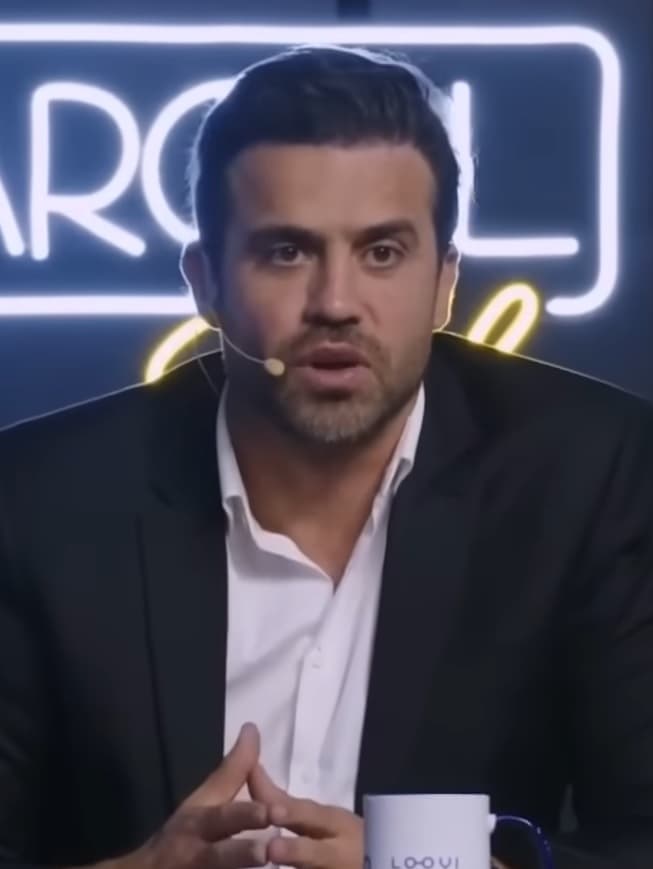
Brazil’s Superior Electoral Court (TSE) on Friday unanimously rejected the presidential candidacy of right-leaning populist influencer Pablo Marçal, definitively removing a disruptive, non-traditional voice from the national ballot. The seven justices of the electoral court Brazil cited two primary violations of electoral law, including a conviction that renders Marçal ineligible for office until 2032.
The 39-year-old businessman and self-help guru, who ran for the Partido Renovador Trabalhista Brasileiro (PRTB), was found to be ineligible due to a prior conviction for illegal campaign practices during the 2024 municipal elections in São Paulo. The São Paulo Electoral Court (TRE-SP) had previously ruled that Marçal’s campaign used an illicit strategy known as a "championship of cuts," where his team promised financial rewards to supporters who created and shared short video clips of his content. The court deemed this an undue use of social media and economic power to massively promote his candidacy, imposing an eight-year ban on running for office, which extends his 2032 ineligibility.
The court's second finding was that Marçal failed to meet the statutory deadline for party affiliation. The Public Prosecutor’s Office argued that he was not officially affiliated with the PRTB by the required deadline in April, having been recently aligned with another party (União Brasil), a mandatory requirement for all candidates.
For foreign observers, the ruling confirms the institutional gatekeeping power of the TSE, which manages and enforces electoral rules across the country. Marçal, a figure with a massive social media following who built his reputation selling personal development courses, was positioning himself as a political outsider and a lightning rod for protest votes. His forced removal requires his potential voter base—seen as mainly populist and anti-establishment—to redistribute their support to other candidates in the Brazilian presidential race.
While Marçal still has a theoretical opportunity to appeal the decision to the TSE itself or the Supreme Federal Tribunal (STF), legal analysts view the chances of a reversal as minimal given the unanimous nature of the ruling and the clear legal grounds for both his prior ineligibility and the party affiliation issue. The court’s decision settles the eligibility question, ensuring the election proceeds without one of its most unconventional and controversial figures.