
Brazil’s Economic Slowdown Hits Early, Putting Lula’s Re-election Narrative Under Pressure
Sharp deceleration in Brazil's Q2 GDP, driven by a drop in household spending, heightens fiscal risk and pressure on the Central Bank.
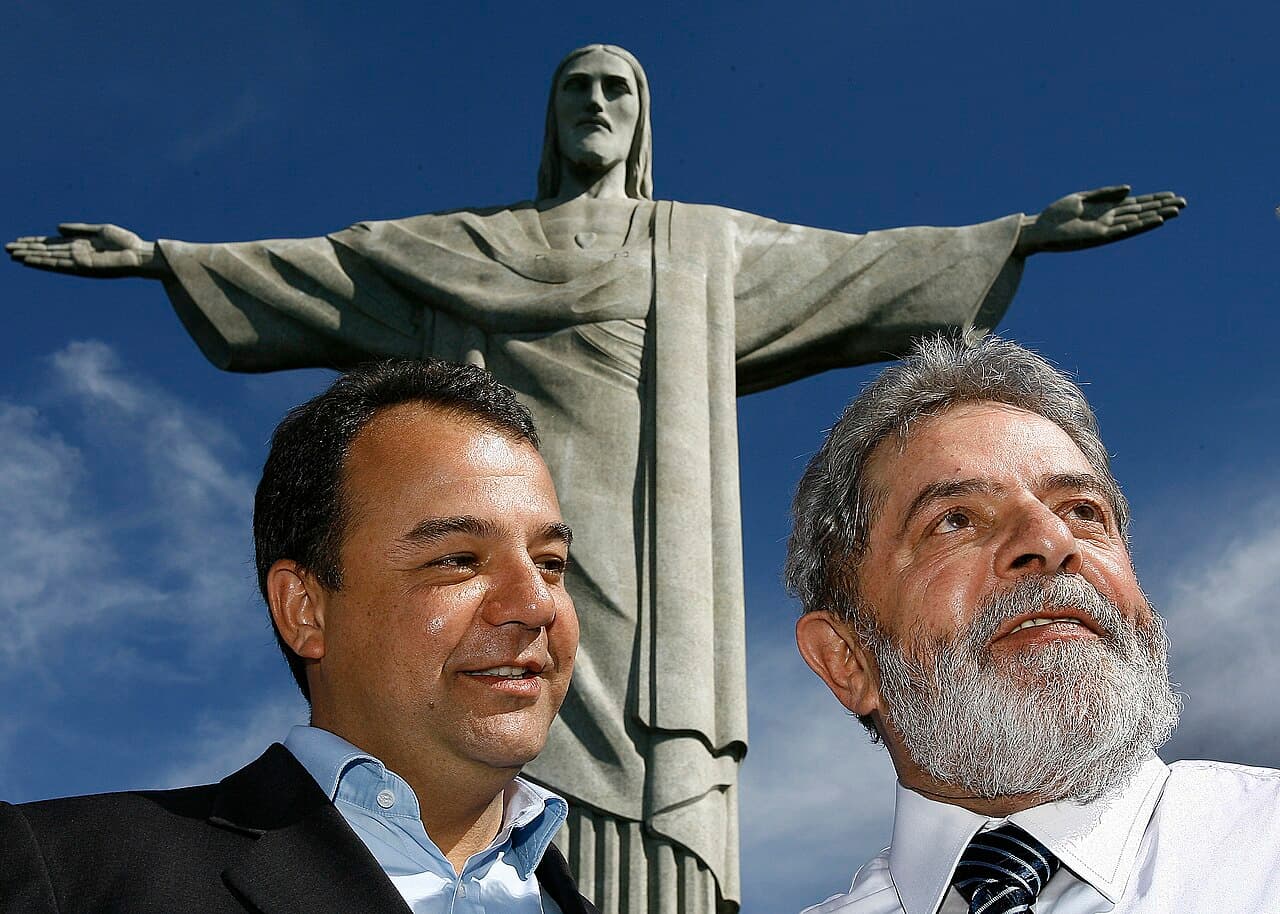
Brazil’s economic momentum hit a wall earlier than expected, sharply decelerating in the second quarter of 2026, a setback that undermines the re-election narrative of President Luiz Inácio Lula da Silva just weeks before the October general election. Gross Domestic Product (GDP) for the April-to-June period grew by just 0.5% compared to the first quarter, a significant drop from the 1.1% expansion recorded in the first three months of the year, according to the Brazilian Institute of Geography and Statistics (IBGE). The primary cause for the slowdown was a 0.4% contraction in household consumption, the first decline in the politically sensitive component of domestic demand in three quarters, clearly showing that high interest rates and elevated household debt are weighing on Brazilian families.
The figures deliver an early "economic hangover" that forces the government to confront a widening gap between its official forecast and market reality. The current administration is still projecting full-year growth of 2.3% for 2026, a number that now appears significantly optimistic compared to the market consensus, which the Central Bank's latest Focus Bulletin places at 1.98%. The Finance Ministry has indicated it is reviewing its 2.3% estimate with a "downward bias". This difference is more than an accounting detail: it creates potential fiscal risk and budget pressure for the government, as lower-than-expected growth means less tax revenue to fund promised social and infrastructure spending, complicating the fiscal framework that underpins Brazil’s long-term stability.
The data instantly increases pressure on the independent Central Bank of Brazil, whose Monetary Policy Committee (COPOM) sets the country’s benchmark Selic interest rate. The Selic, which remains at a restrictive 14.0% following a cautious easing cycle, has been the main tool used to bring inflation under control, but it is also the key mechanism throttling consumer spending. The sharp slowdown in economic activity strengthens the case for the Central Bank to continue an aggressive rate-cutting cycle to support growth, even though sticky inflation and the potential for increased government spending continue to inject caution into the decision-making process.
The economic cooling provides new ammunition for the opposition ahead of the pivotal October election, arguing that the government has failed to translate its political support into sustainable economic prosperity for the average Brazilian. The mechanism is clear: high borrowing costs and stagnant consumer confidence are directly impacting the daily lives of citizens by limiting access to credit for purchases and investment. The next clear point of focus for all parties—government, investors, and the Central Bank—is the upcoming September meeting of COPOM, where policymakers will decide if the new data justifies accelerating the pace of interest rate cuts.
What it touches The data will immediately impact the interest rate futures market, which prices in the expected trajectory of the Selic rate, as traders adjust their expectations for a potentially more aggressive easing cycle from the Central Bank. The sovereign risk perception, particularly for Brazil’s long-dated debt, is also exposed, as a significant failure to meet growth targets increases pressure on the government’s ability to meet its primary fiscal surplus goals under the new fiscal framework.