
Brazil Workweek Reform Advances as Right-Wing Frontrunner Flávio Bolsonaro Shifts Stance
Right-wing presidential frontrunner Flávio Bolsonaro announced he will vote to end Brazil's 6x1 workweek, clearing the path for a major labor reform.
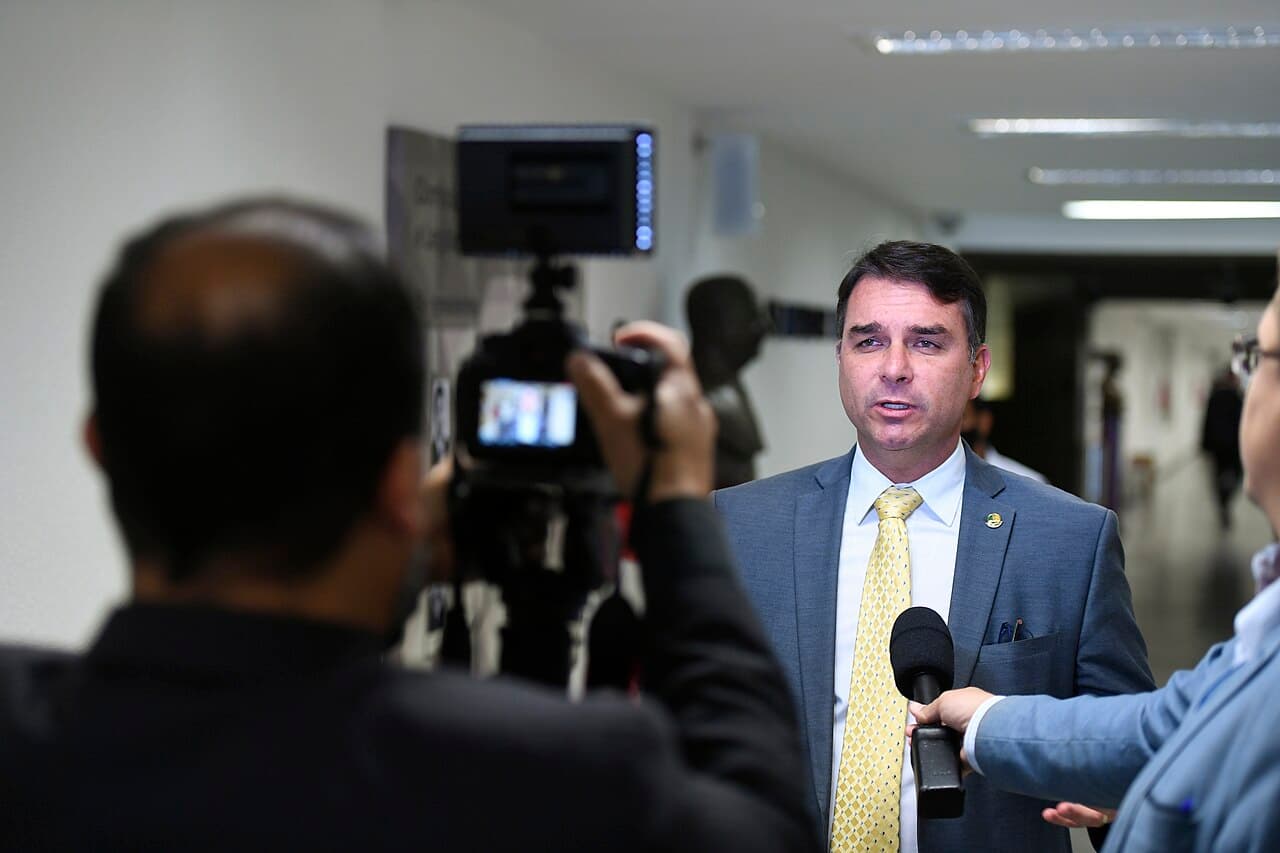
American investors holding diversified emerging market funds may soon see a shift in the operational costs of major Brazilian employers. A highly debated labor reform that would outlaw the traditional six-day workweek in Latin America's largest economy has gained unexpected momentum from the country's conservative political leadership, reshaping the business landscape just weeks before a decisive presidential vote.
On October 13, 2026, Senator and right-wing presidential frontrunner Flávio Bolsonaro announced he will vote in favor of a constitutional amendment (PEC 221/2019) to eliminate the "6x1" workweek. The reform, scheduled for a first-round vote in the Senate on October 14, 2026, aims to reduce the maximum weekly working hours from 44 to 40, guaranteeing employees two days of rest per week without any reduction in salary.
The sudden policy shift by Flávio Bolsonaro represents a significant tactical pivot in the final stretch of the presidential race. In the first round of voting on October 4, 2026, the conservative senator led the field with 47.03% of the vote, compared to 45.16% for the incumbent left-wing President Luiz Inácio Lula da Silva. Facing a tight runoff election on October 25, 2026, the right-wing candidate chose to back the popular labor measure to avoid alienating working-class voters, despite previously advocating for a more business-friendly, flexible hourly pay model.
While the proposal is highly popular among the electorate, business leaders warn that a mandatory transition to a five-day workweek will pressure corporate margins. Opponents of the bill argue that forcing companies to maintain current salary levels while reducing operational hours will inevitably raise payroll expenses, potentially driving up consumer prices and forcing service-sector employers to increase headcount to cover the scheduling gaps.
In your brokerage app
For retail investors holding the iShares MSCI Brazil ETF (EWZ), this political consensus on labor reform introduces a new variable for domestic-facing holdings. Large employers in the retail, logistics, and utility sectors—such as state-controlled oil giant Petrobras or private financial institutions like Itaú Unibanco, both widely held in US-listed Brazilian funds—could face higher structural labor costs if the constitutional amendment passes its final legislative hurdles.