
Brazil Finance Minister Links Bank Scandal to High Courts
Finance Minister Fernando Haddad calls the Banco Master fraud case a critical opportunity to clean up the country's judiciary amid a heated presidential runoff.
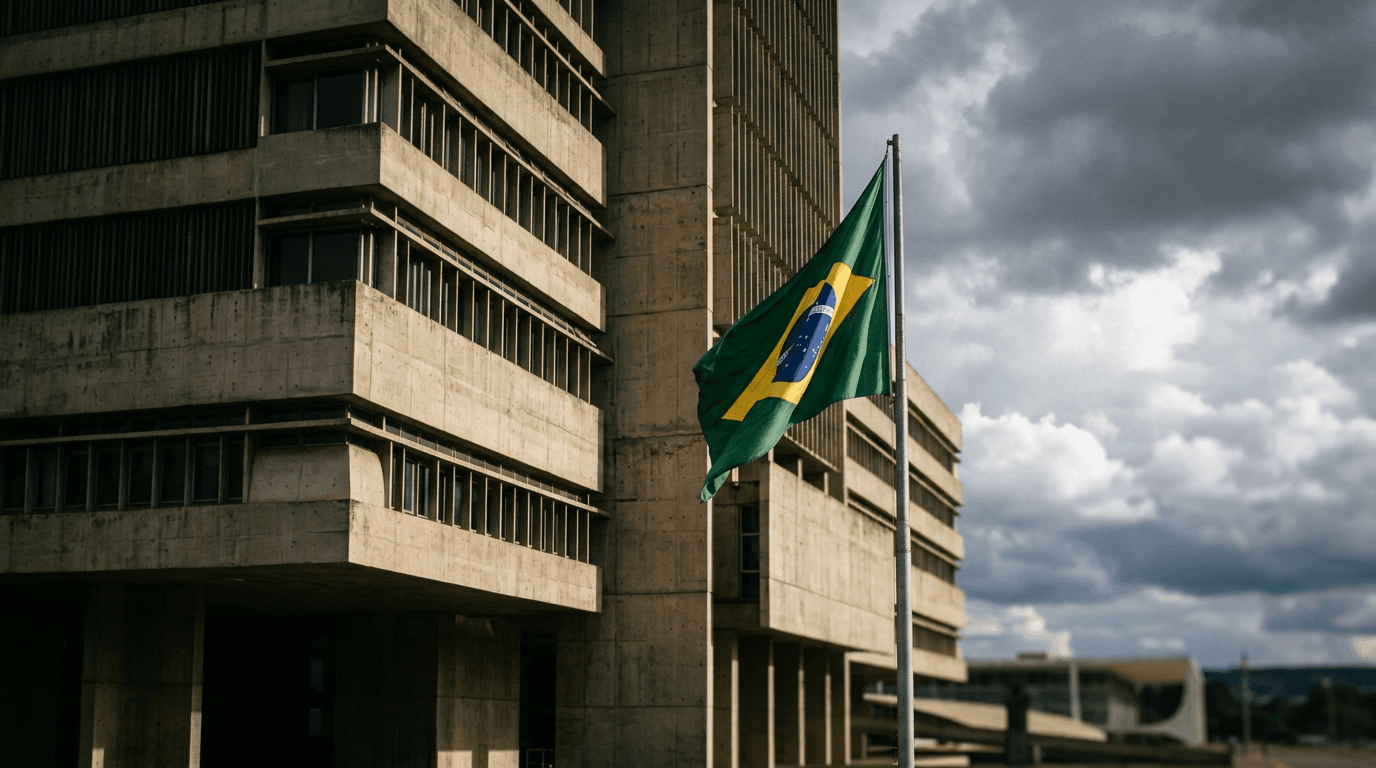
Global investors holding emerging market funds are facing a fresh wave of political and legal volatility in Latin America’s largest economy. A widening banking scandal in Brazil has escalated into a direct institutional crisis, threatening the judicial stability that foreign capital relies on for contract enforcement and regulatory predictability.
On October 12, 2026, Brazil's Finance Minister Fernando Haddad stated in an interview with GloboNews that the ongoing Banco Master fraud case represents a "great opportunity to clean up the country, including the Judiciary." The comments connect a highly sensitive corporate fraud investigation directly to the integrity of Brazil's highest courts, just as a polarized presidential runoff campaign enters its final stretch.
The scandal centers on allegations of a massive protective shield constructed by Banco Master’s founder, Daniel Vorcaro. Investigators suspect this network reached deep into Brazil's judicial system to block regulatory actions and legal challenges. Minister Haddad admitted that while the executive branch had tracked early signs of financial irregularities at the bank, the government "did not imagine that this could involve the Judiciary" to such an extent, noting that Vorcaro had "devised a shield plan involving many people."
Electoral Fallout and Institutional Risk
The fallout has spilled directly into the presidential race, where incumbent President Luiz Inácio Lula da Silva is facing a tough runoff challenge from conservative candidate Flávio Bolsonaro. Both political camps have traded fierce accusations over their respective ties to the bank's leadership, turning a financial regulatory matter into a central campaign issue.
While the Central Bank of Brazil holds primary authority over banking regulation and previously initiated the liquidation of Banco Master, Haddad emphasized that the Finance Ministry has actively pushed for rigorous enforcement. The escalating friction between the executive branch and the judiciary introduces a layer of political risk that could complicate economic reforms and fiscal policy coordination heading into 2027.
In your brokerage app
For retail investors holding the iShares MSCI Brazil ETF (EWZ), the primary exchange-traded fund tracking Brazilian equities, this escalating dispute highlights the persistent institutional risks of investing in the region. While individual corporate giants like Petrobras or Vale are not directly implicated in the Banco Master case, systemic concerns regarding judicial neutrality and contract enforcement can weigh on the broader valuation of Brazilian assets.