
Brazil Survey Shows 81% of Voters Want Candidates Who Believe in God
A new Brazil election survey from UFF highlights the powerful and central role of religion in the Brazilian electorate's political demands.
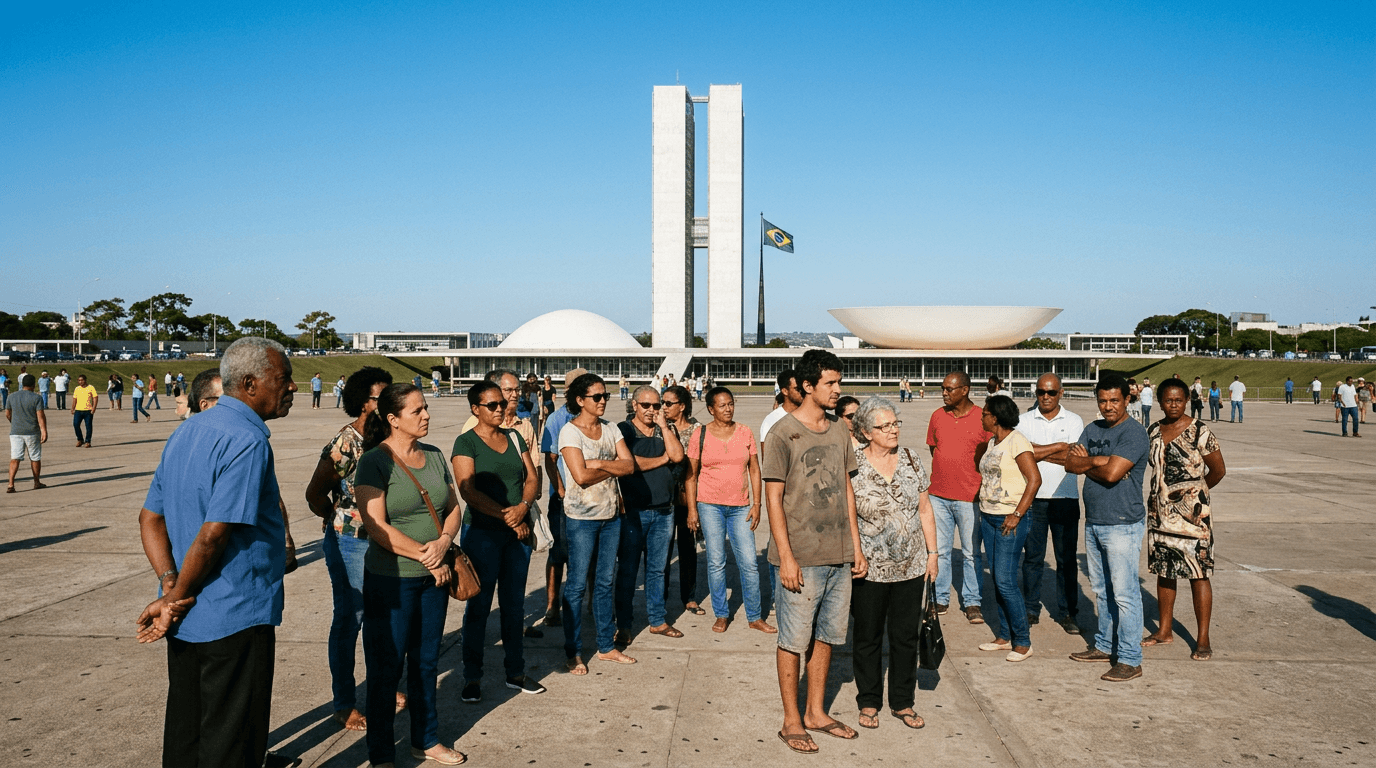
An overwhelming majority of Brazilians—81%—consider it fundamental that candidates for public office believe in God, according to a recent Brazil election survey by the Universidade Federal Fluminense (UFF). The data underscores the enduring and powerful role of faith in shaping the country’s political landscape and serves as a clear guide for the rhetoric and platform of any candidate seeking national office. The finding, gathered by UFF's Laboratory of Socio-Anthropological Studies on Politics, Art and Religion, reinforces that moral values remain a central, non-negotiable demand from a large segment of the Brazilian electorate.
The demand for religious faith in leaders is strongest among the country’s most vulnerable voters, demonstrating a clear economic divide in the electorate's priorities. The requirement for a candidate to be a person of faith jumps to 89% among those earning up to one minimum wage, compared to 57% among high-income voters earning between ten and twenty minimum wages, according to the UFF data. This disparity means that candidates and political parties must often prioritize a message of faith and values to appeal to a critical, lower-income voting bloc.
The survey findings point to a deep-seated connection between faith and public life that directly impacts the practice of religion in Brazil politics. For a foreign audience, this helps explain the rise of the socially conservative "Bancada Evangélica," or Evangelical Caucus, in the Brazilian Congress, which uses its considerable political weight to advance moral legislation. The UFF survey also revealed a significant misunderstanding of the country's official structure: 54% of respondents declared themselves contrary to the concept of a secular state, or Estado laico, often equating it with a desire to remove religion entirely from the public sphere, rather than its constitutional role of ensuring institutional separation between church and government.
Despite the high value placed on a candidate’s personal faith, the survey also found a degree of skepticism towards organized religion itself. While 81% demand a belief in God, only 56% of respondents expressed confidence in the Catholic Church, historically the highest-rated religious institution in the country. This paradox highlights a distinction in the minds of voters: they prioritize a leader’s personal spiritual conviction and moral compass over institutional religious endorsement. The results of the UFF Brazil survey indicate that a candidate’s ability to credibly project personal piety is a significant political asset that will continue to influence candidate selection and campaign strategy in the upcoming election cycles.