Brazil Supreme Court Judge Reinstates Lava Jato Figure Gabriela Hardt
Justice Luiz Fux suspended a two-year disciplinary penalty against judge Gabriela Hardt, citing an expired statute of limitations on Lava Jato-related actions.
The legal fallout from Brazil's historic "Lava Jato" (Car Wash) anti-corruption probe continues to reverse course, altering the regulatory and political landscape for foreign investors holding shares in the country’s state-controlled enterprises. On November 9, 2026, a key decision by the nation's highest court signaled a major judicial pushback against administrative punishments targeting the architects of the anti-corruption drive.
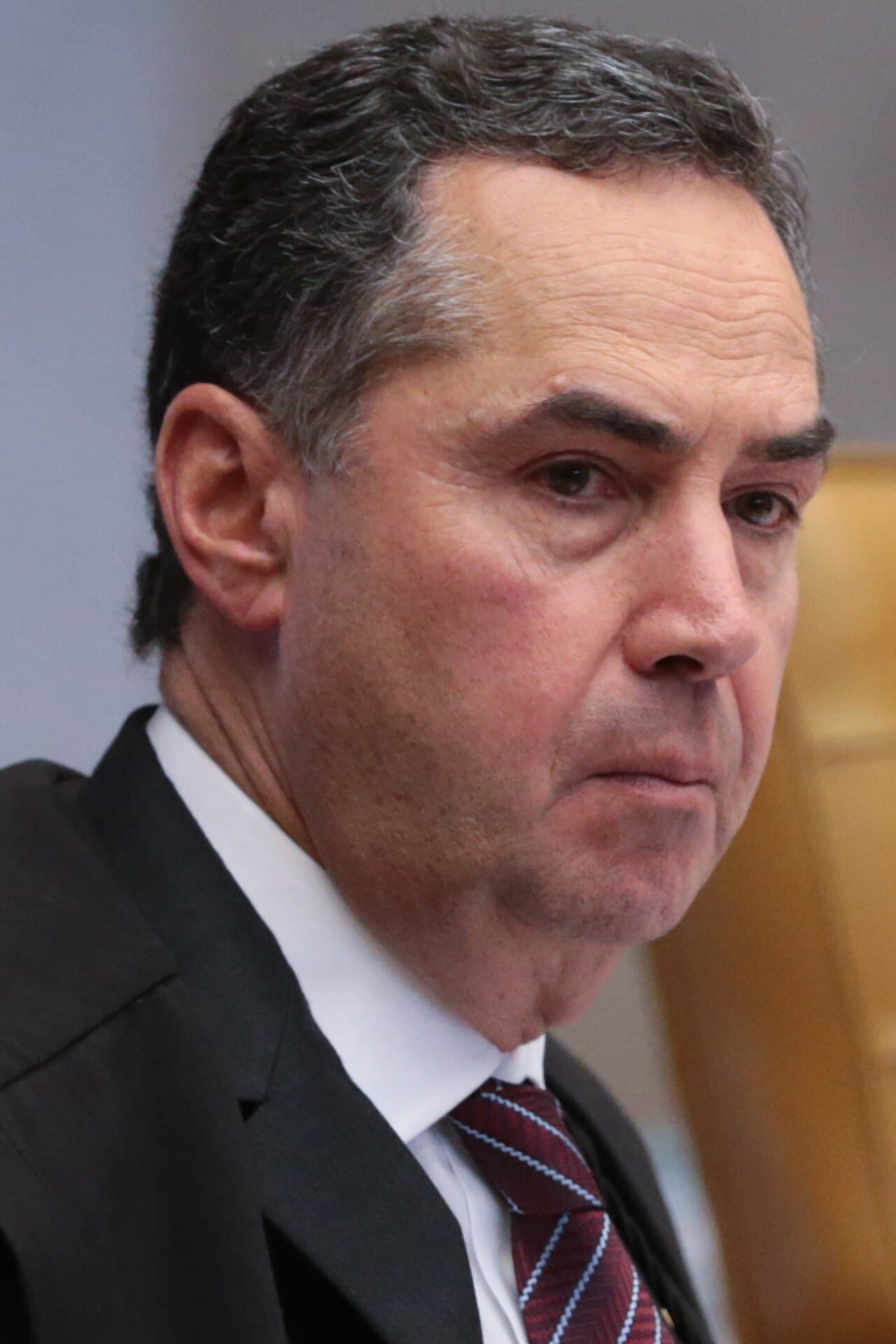
Brazil Supreme Court Justice Luiz Fux issued a preliminary injunction suspending a two-year disciplinary sideline previously imposed on federal judge Gabriela Hardt. Hardt, who famously succeeded Sergio Moro as the presiding judge over the Petrobras-centered corruption cases, had been penalized in August 2026 by the National Justice Council (CNJ)—the administrative watchdog of the Brazilian judiciary.
The CNJ's original disciplinary action stemmed from Hardt’s 2019 authorization of a controversial settlement. Under that deal, approximately 2.5 billion reais ($440 million) in penalty funds paid by state-run oil giant Petrobras to settle U.S. regulatory investigations were slated to be redirected into a private, independent anti-corruption foundation managed by the Lava Jato prosecutors themselves. The foundation was ultimately blocked by the Supreme Court in 2019 before it could be established, and critics argued the deal bypassed constitutional rules governing public funds.
In his November 9, 2026 ruling, Justice Fux determined that the five-year statute of limitations for punishing the judge had already expired before the CNJ formally opened its disciplinary probe in June 2024. Fux noted that the CNJ had been aware of the underlying facts since March 2019. He further warned that punishing judges for their judicial decisions threatens the core independence of the judiciary. The ruling allows Hardt to immediately return to her active duties and receive her full salary.
This high-profile clash between the Supreme Court and judicial regulators highlights the ongoing institutional volatility in Brazil. For global market participants, the back-and-forth decisions underscore the persistent political risk and shifting legal precedents that govern corporate governance, state-backed entities, and the enforcement of past anti-corruption settlements.
In your brokerage app
The ongoing legal battles over the legacy of the Lava Jato probe directly impact Petroleo Brasileiro S.A., commonly known as Petrobras, which is listed in New York and remains highly sensitive to domestic judicial and political shifts. Investors seeking broad exposure to Brazilian equities, including Petrobras, often hold the iShares MSCI Brazil ETF, a fund that tracks the country's largest publicly traded companies.