
Brazil STF Resumes Vote on Clean Slate Law, Fate of Convicted Politicians Hangs in Balance
The Supreme Court is set to rule on an anti-corruption law change that could allow convicted former leaders like Eduardo Cunha to run in elections.
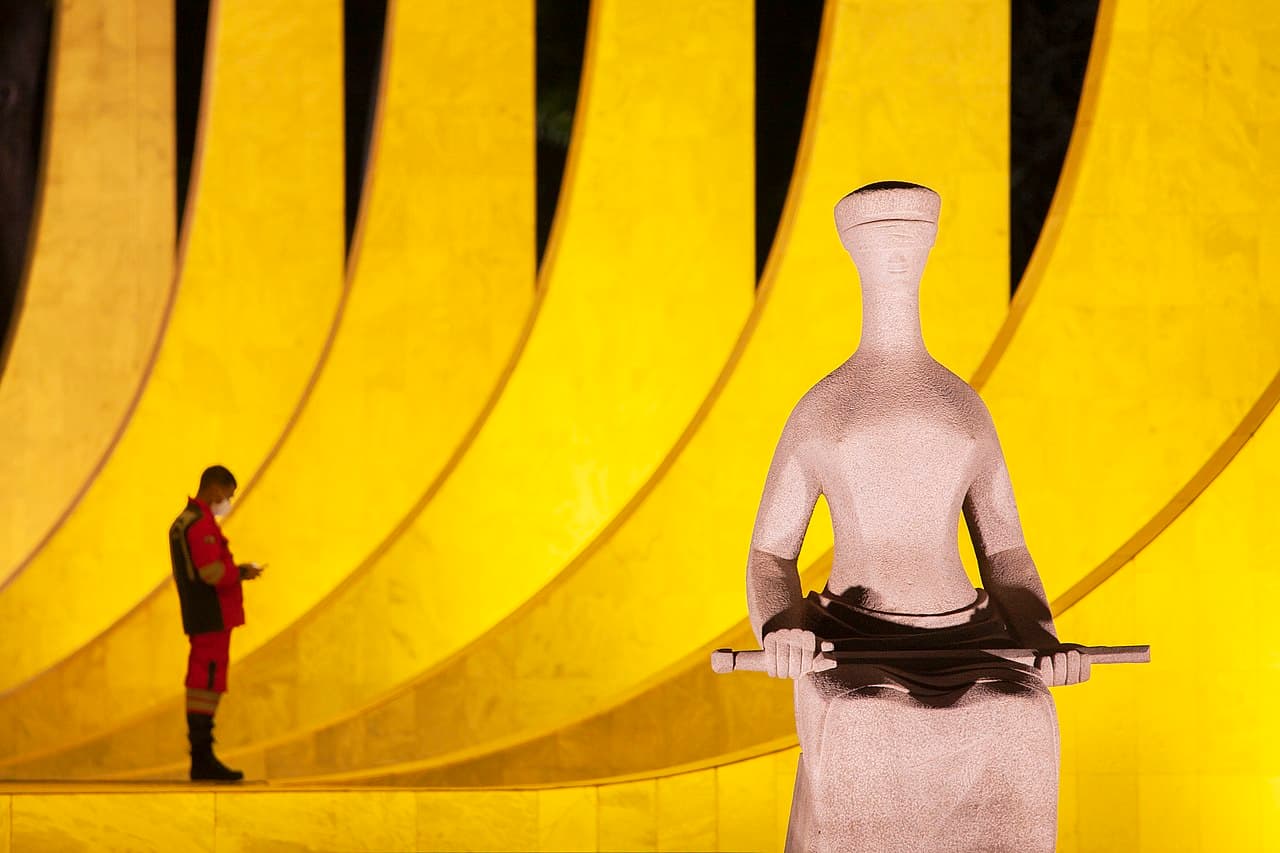
The Brazilian Supreme Federal Court (STF) will resume a critical virtual trial between September 11 and 18 that will determine the eligibility of several high-profile, convicted politicians for the coming general elections. The justices are reviewing changes approved by Congress to the 'Lei da Ficha Limpa,' or Clean Slate Law, a major anti-corruption measure. The outcome will decide if a flexible new rule allowing politicians with past corruption convictions to run will stand, or if the stricter standard preventing their candidacies remains in place. The voting currently stands 2-0 against the congressional changes, suggesting the court is leaning toward maintaining the stricter interpretation.
The core of the dispute centers on how to count the mandatory eight-year period of ineligibility for politicians convicted by a panel of judges. The original Clean Slate Law, passed in 2010 following a massive popular initiative, was designed to keep those with corruption or abuse-of-power convictions off the ballot by having the ban run until eight years after the sentence is fully completed or the mandate ends. However, the change approved by Congress in 2025 would start the clock for the eight-year ban running from the date of the conviction by a collegiate body. For many convicted politicians, this seemingly small adjustment would drastically shorten their total period of ineligibility, making them immediately eligible for the current election cycle.
Among the candidates whose fate is tied directly to the STF’s ruling are two of the country's most prominent figures felled by corruption scandals: former Federal Deputy Eduardo Cunha and former Federal District Governor José Roberto Arruda. Cunha, who served as President of the Chamber of Deputies and spearheaded the impeachment of President Dilma Rousseff, was convicted in the sprawling "Operation Car Wash" investigation for corruption and money laundering. Arruda, the former governor of Brasília's federal district, was convicted in the "Caixa de Pandora" corruption scheme. Both men have sought to re-enter Brazilian politics and could have their candidacies freed if the STF validates the congressional modifications to the Clean Slate Law.
The case was suspended in June after a request for review by Minister Gilmar Mendes, who has since returned the process for deliberation, scheduling the final vote in the virtual plenary just weeks before the elections. The initial votes by Justices Cármen Lúcia and Luiz Fux rejected the flexibilization, arguing that allowing the anti-corruption law to be watered down undermines the integrity and morality the law was created to protect. The final decision by the 11 justices of the Brazil STF will serve as a definitive measure of judicial resolve against political corruption and will instantly reshape the field for the upcoming Brazil elections.