
Brazil STF Justice Mendonça Extends Suspension of Workplace Mental Health Fines for Brazilian Companies
Supreme Federal Court Justice André Mendonça has extended the suspension of fines related to Brazil's NR-1 psychosocial risk rules for another 90 days to allow conciliation talks to continue.
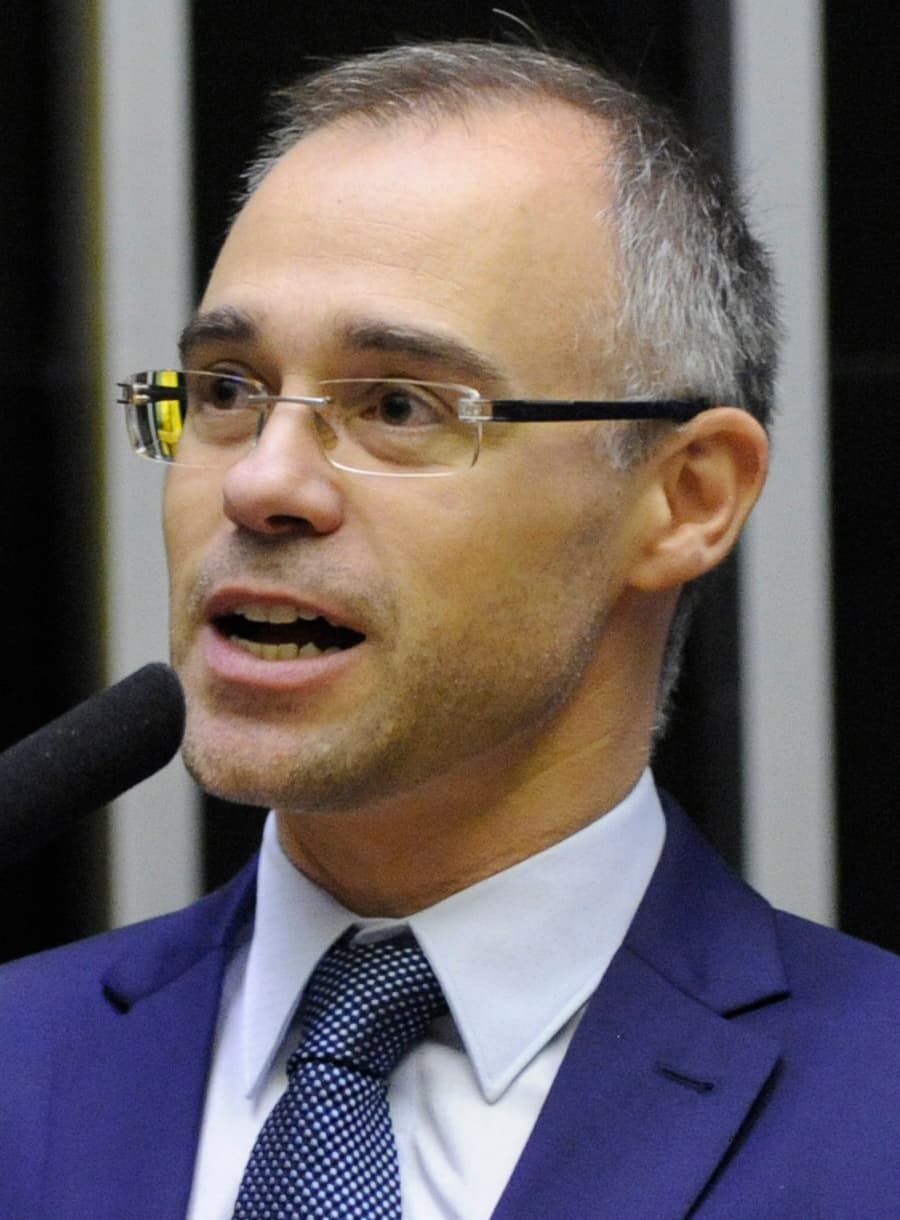
Supreme Federal Court (STF) Justice André Mendonça has extended the suspension of fines and administrative penalties related to Brazil's new workplace psychosocial risk rules for an additional 90 days. The decision, issued on Thursday, September 24, effectively provides Brazilian companies with another three months of reprieve from penalties under Regulatory Norm No. 1, or NR-1, while conciliation talks to clarify the regulation continue.
The extension came just as the initial 90-day suspension—ordered by Mendonça in June and subsequently upheld by the full court—expired on September 23. Mendonça’s ruling prevents the Ministry of Labor and Employment from levying fines based on the contested points of the NR-1 rule, which the business community argued lacked sufficient objective criteria for compliance and enforcement.
The NR-1 rule, which went into effect in May 2026, requires all companies operating in Brazil to formally manage "psychosocial risks," such as moral harassment, overwork, burnout, and excessive pressure, as part of their mandatory Occupational Risk Management Program (PGR). Mendonça, a Justice on Brazil’s highest court, the STF, emphasized that the underlying obligation for companies to identify and manage these mental health risks remains valid. The suspension applies only to the application of fines and sanctions.
The goal of the judicial stay is to maintain a space for conciliation between the federal government and employer confederations, which include large groups representing education, commerce, and health sectors. The talks are being overseen by the STF’s Center for Consensual Conflict Resolution and aim to define clearer, more objective standards for the rules to ensure legal certainty for businesses before enforcement can begin.
The immediate consequence of the extension is a reduction in near-term labor compliance costs and administrative risk for all Brazilian companies. Mendonça has requested the Attorney General’s Office to clarify a proposal that would use a specialized government body to gather employer suggestions for improving the NR-1 rule, signaling an active effort to resolve the dispute during the new 90-day window.
What it touches
The decision directly impacts all Brazilian companies, from the largest publicly traded firms to small businesses, by delaying potential compliance costs and administrative fines related to new workplace mental health standards. The extension reduces operational uncertainty for businesses that had been preparing for the penalty period to begin on September 24.
Related coverage
Politics
Brazil’s Tax Reform Forces Small Businesses to Choose a Complex ‘Hybrid Regime’
Published
Politics · PRO
Brazil's Public Debt Hits 82.5% of GDP, Highest Level Since 2021, Constraining Next President
Published
Politics
Lula Blasts UN Security Council as 'Hostage' to Inaction, Outlines Assertive Brazil Foreign Policy
Published