Brazil slashes mineral extraction taxes to zero for 2027
Brazil has exempted the mineral extraction sector from its upcoming selective "sin tax" transition for 2027, delaying immediate fiscal impacts on major mining companies.
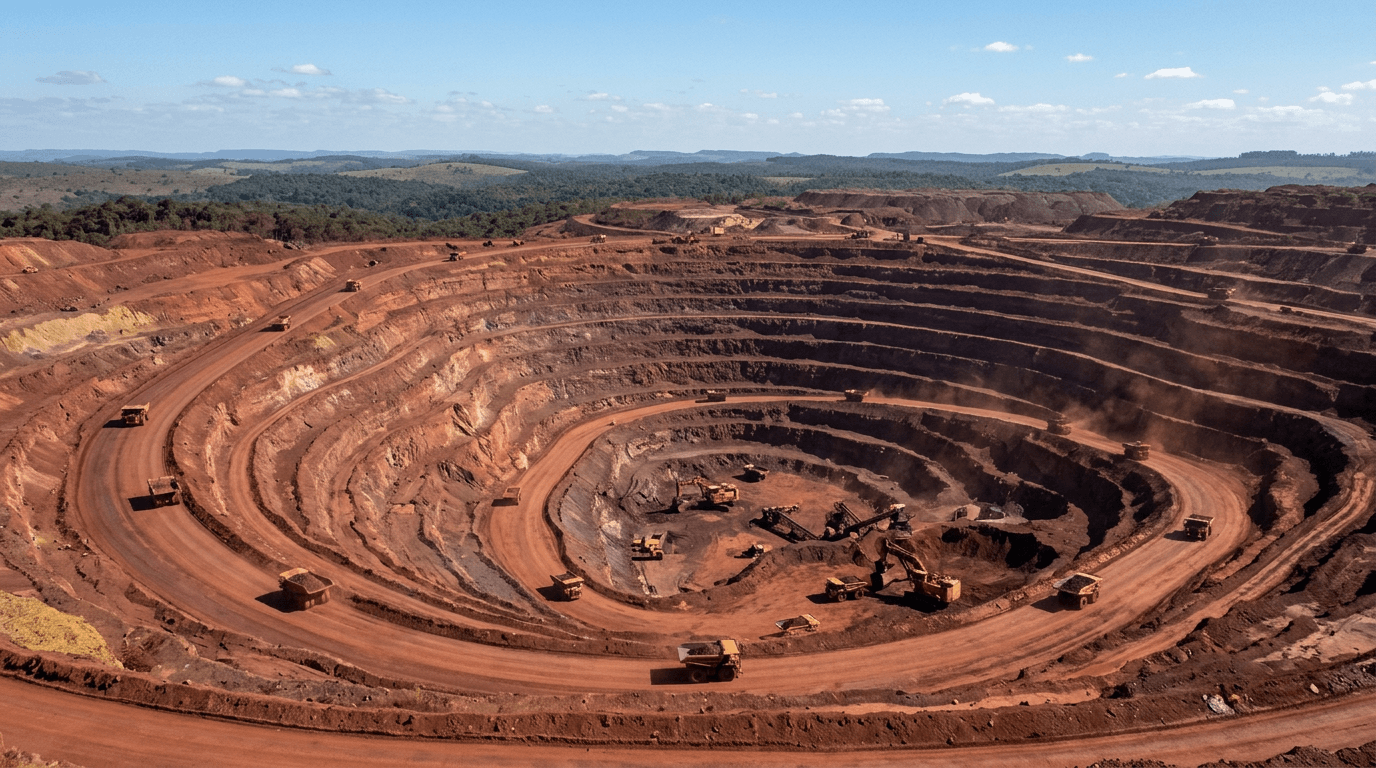
Global commodity investors holding shares in major international mining operations received a major regulatory reprieve from South America. The Brazilian government has officially exempted the mineral extraction sector from its upcoming "sin tax" transition, temporarily preserving profit margins for some of the world's largest producers of iron ore and critical minerals.
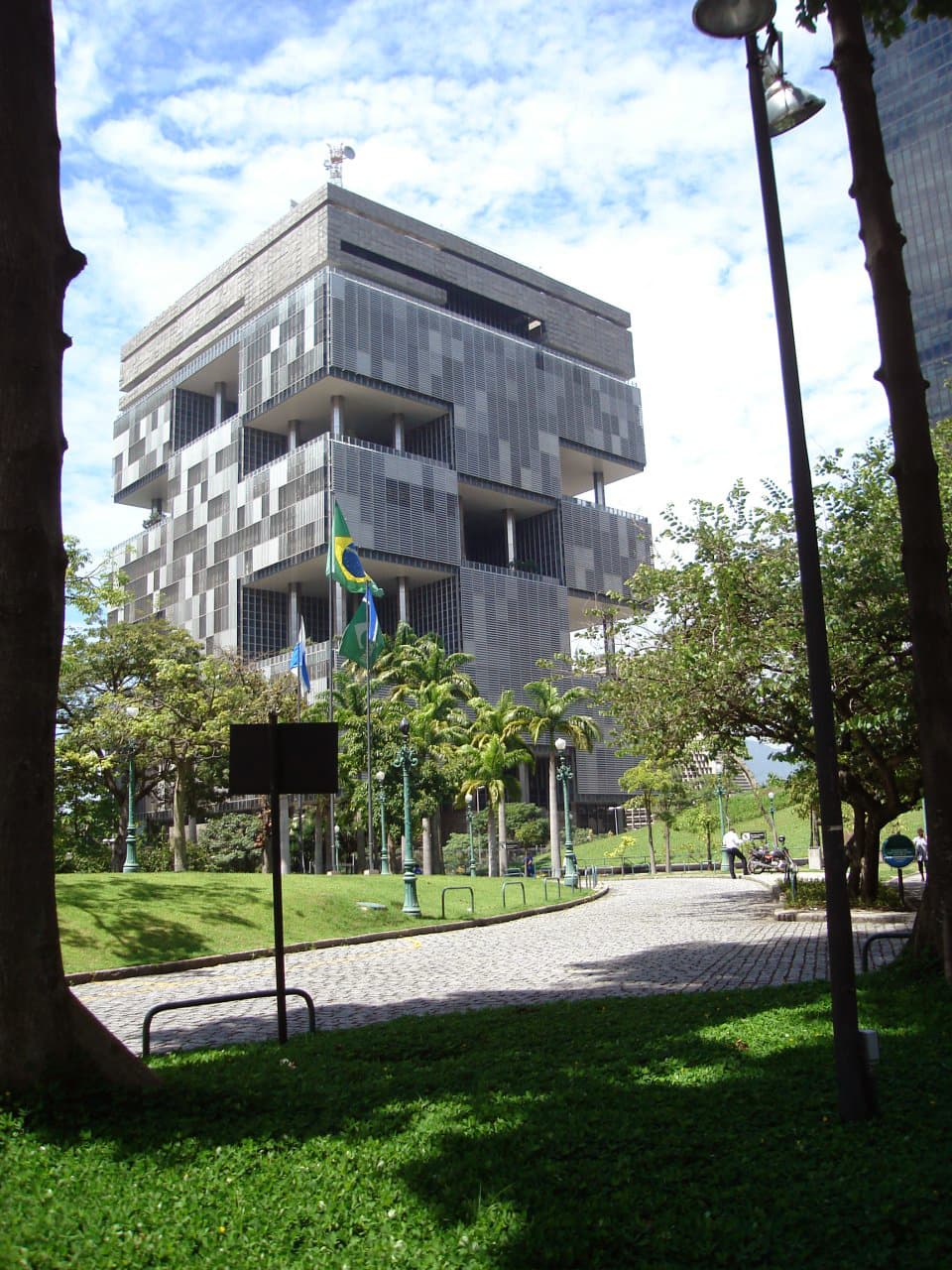
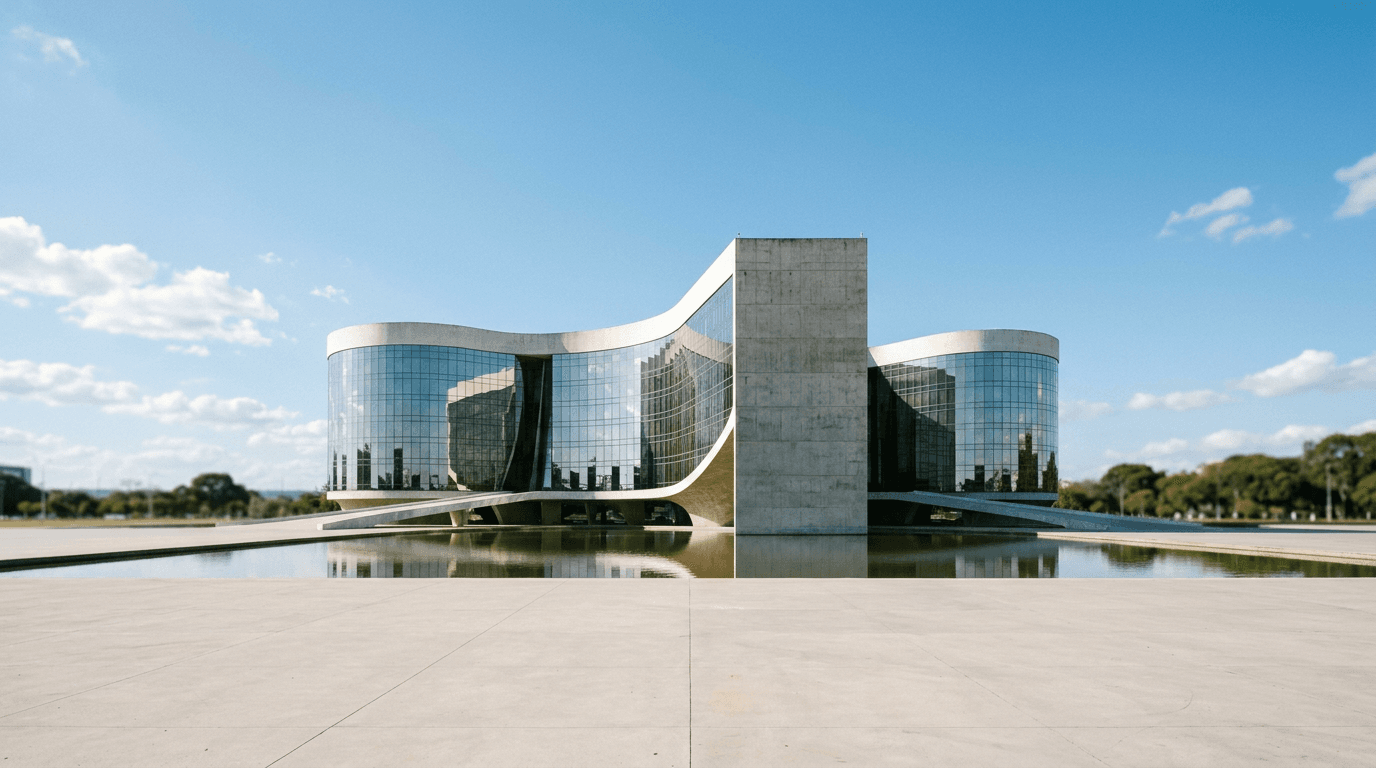
On November 5, 2026, Executive Secretary of the Finance Ministry Dario Durigan confirmed that a newly issued provisional measure (MP 1.399) slashes the selective tax (Imposto Seletivo) on extracted minerals to zero percent until December 31, 2027. The executive order, published in an extra edition of the federal official gazette on November 4, 2026, serves as a crucial transition rule for Brazil's sweeping consumption tax reform set to begin in 2027.
The selective tax, colloquially known in Brazilian politics today as the "sin tax," was designed to discourage the consumption of goods harmful to health or the environment. While the permanent tax regime for critical and extracted minerals will still be negotiated and detailed in subsequent legislation ahead of 2028, the 2027 tax holiday prevents an immediate fiscal shock to the capital-intensive mining sector.
Navigating the Tax Reform Transition
This temporary tax relief comes at a critical juncture for the Brazilian economy. The country is currently phasing out its traditional Industrialized Products Tax (IPI) to make way for a streamlined dual-VAT system. According to Dario Durigan, the decision to set the 2027 rate to zero is intended to keep the overall tax burden stable during the initial rollout of the new system, neutralizing immediate cost increases for heavy industry.
The provisional measure also extends similar zero-rate benefits to other environmentally strategic sectors. Sustainable vehicles, zero-emission vessels, and aircraft utilizing clean propulsion technologies will also enjoy a zero-percent selective tax rate during the 2027 transition period.
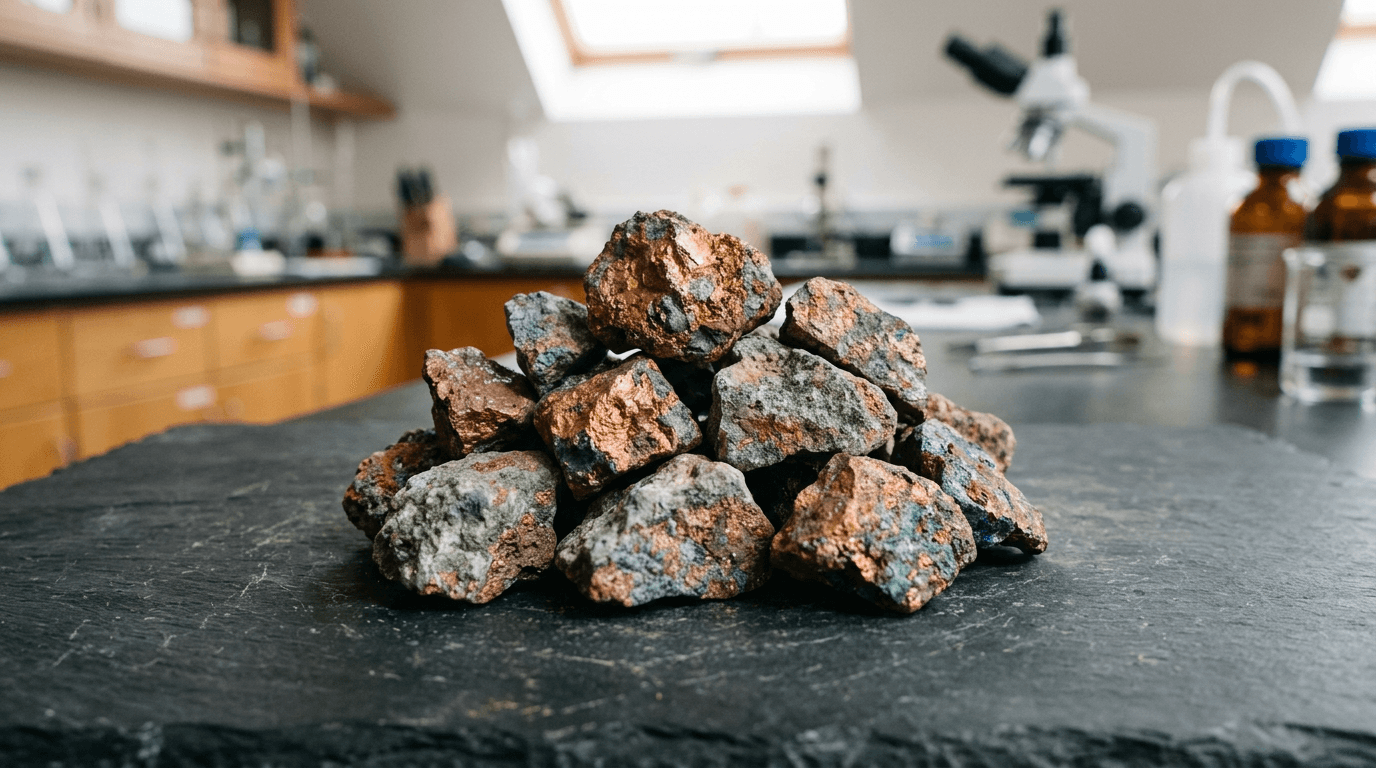
However, the fiscal battle is far from over. The permanent tax rates that will apply to iron ore, copper, and nickel starting in 2028 must still be debated and approved by the Brazilian Congress. Global mining companies will spend the coming year lobbying legislators in Brasília to secure favorable long-term terms before the tax holiday expires.
In your brokerage app
For retail investors, this policy shift directly affects Vale S.A., one of the world's largest producers of iron ore and nickel. Vale S.A. is listed in New York and is a major holding in broad Latin American equities funds, such as the iShares MSCI Brazil ETF. The temporary elimination of the extraction tax reduces near-term tax liabilities and supports export competitiveness throughout 2027.