Brazil rate cut pause at 13.75% sparks Lula fiscal review
Brazil's central bank halted its interest rate cutting cycle at 13.75% on November 4, 2026, prompting President Lula to summon his economic team to address fiscal concerns.
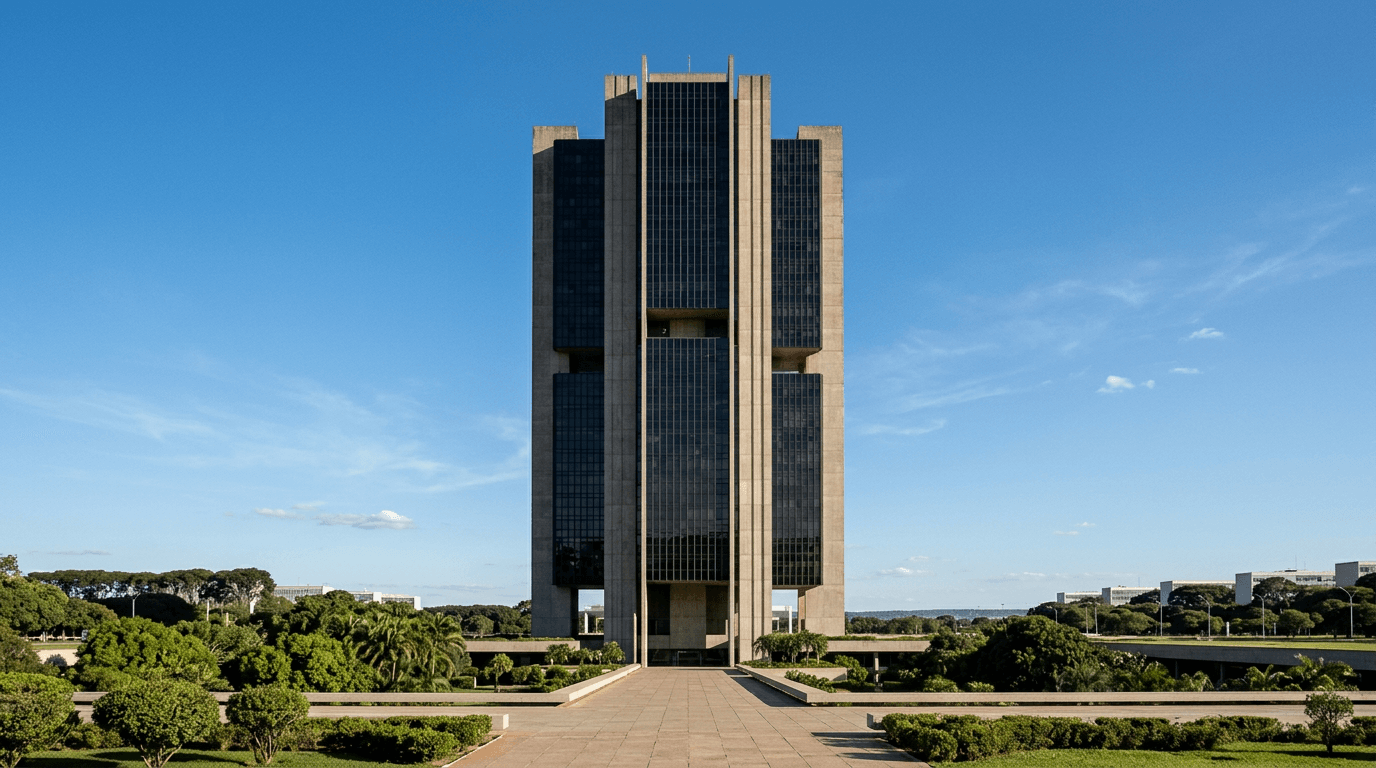
Global investors holding emerging market debt or international equities are facing a prolonged period of high borrowing costs from one of the world's most lucrative yield destinations. On November 4, 2026, the Central Bank of Brazil's Monetary Policy Committee, known as Copom, voted unanimously to keep its benchmark Selic interest rate unchanged at 13.75% per year. The decision halted a cycle of five consecutive 0.25-percentage-point cuts that began in March, signaling that stubborn domestic inflation and fiscal policy doubts are preventing further monetary easing.
The central bank's hawkish pause immediately reverberated through the upper echelons of the Brazilian government. On November 5, 2026, President Luiz Inácio Lula da Silva summoned Finance Minister Dario Durigan, alongside key economists and cabinet members, to discuss urgent fiscal adjustment measures. The meeting aimed to address the growing market skepticism surrounding public spending, which has kept the country's inflation expectations elevated. While the ruling Workers' Party (PT) criticized the central bank's decision, claiming the institution surrendered to financial market pressures, the government is under intense pressure to deliver a credible plan to control expenditures.
The political friction highlights the delicate balance between President Lula's social spending agenda and the institutional mandate of the central bank. Finance Minister Dario Durigan, speaking to reporters on November 5, 2026, acknowledged that a 13.75% interest rate is "very high" and "bad for the economy," but he avoided direct criticism of the central bank. Instead, Durigan emphasized that the government must provide the "correct structural stimuli" by working toward a primary budget surplus to create the conditions for future rate cuts. The Ministry of Finance is currently drafting a package of spending caps and budget reviews, though it has pledged to protect core health and education funding.
For international observers, the primary mechanism of risk remains the fiscal rule. If the Lula administration fails to deliver concrete spending cuts, inflation expectations are highly likely to remain unanchored, forcing the central bank to keep nominal rates at their current restrictive levels. Conversely, if Durigan successfully implements a credible fiscal adjustment package, it could relieve the risk premium currently priced into Brazilian assets, paving the way for the central bank to resume its easing cycle.
In your brokerage app
The decision to pause interest rate cuts at 13.75% directly affects the valuation of large Brazilian corporations sensitive to domestic borrowing costs. Investors holding the iShares MSCI Brazil ETF, a fund listed in New York that tracks the broader Brazilian equity market, will feel the impact of these high rates on corporate earnings. Similarly, major financial institutions like Itaú Unibanco, listed in New York, are heavily exposed to the country's credit environment and net interest margins, which are directly shaped by the central bank's Selic rate decisions.