
Brazil Mandates 5-Day Workweek, Forcing US-Listed Firms to Redesign Roster Costs
Brazil's Congress has promulgated a constitutional amendment banning the 6-day workweek, forcing retail, service, and industrial employers to transition to a 5-day schedule.
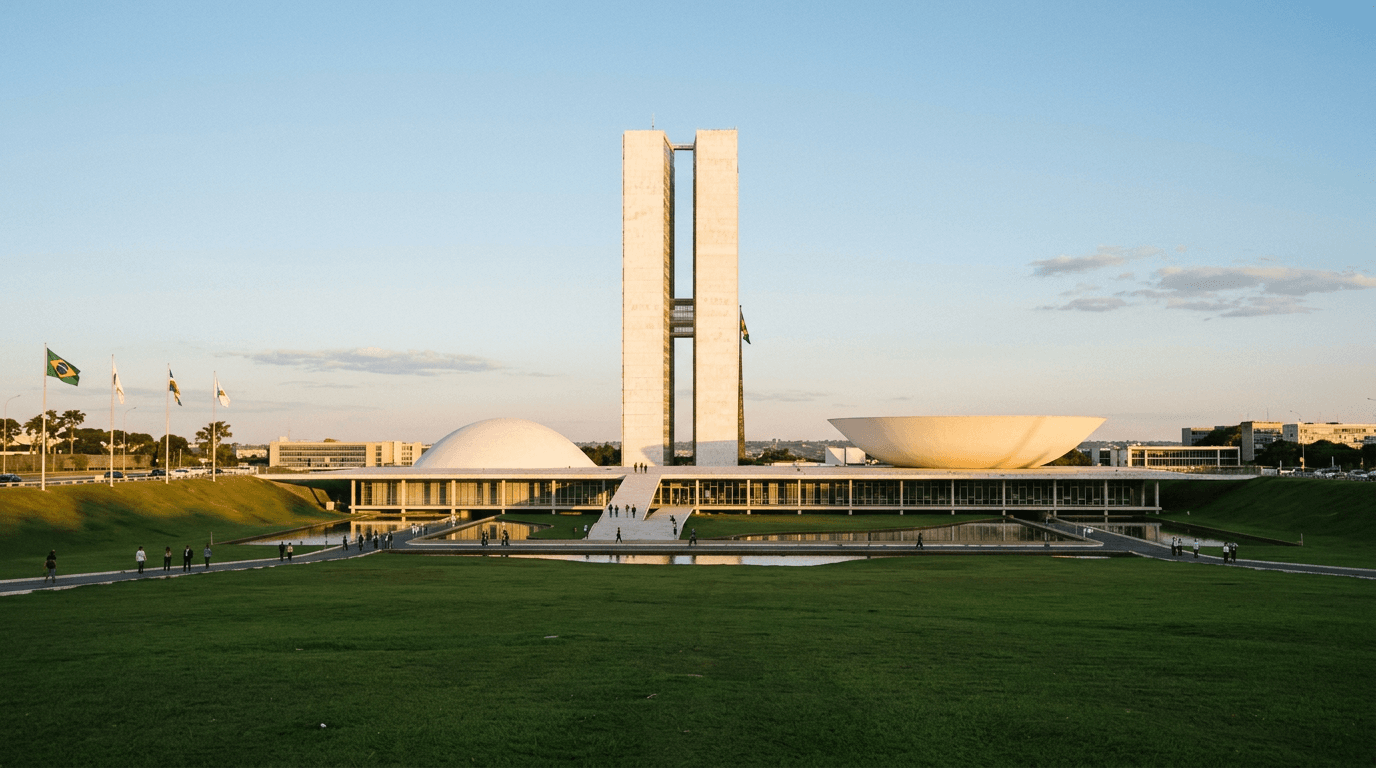
Multinational companies operating in Latin America’s largest economy are facing a sudden, mandatory restructuring of their payroll models. On October 16, 2026, the Brazilian National Congress officially promulgated Constitutional Amendment 141/2026, abolishing the country's traditional six-day workweek. The landmark reform forces employers to transition to a five-day work schedule within 60 days, without any reduction in worker salaries.
Under the new constitutional framework, the standard "6x1" shift pattern—six consecutive days of work followed by one day of rest—is replaced by a "5x2" model. The law mandates a phased transition: the maximum workweek will immediately drop from 44 hours to 42 hours after the 60-day grace period, before hitting a final 40-hour limit after 14 months. Because salary reductions are constitutionally prohibited, labor analysts at law firm Mattos Filho warn that the reform will increase operational and hourly wage costs by up to 10% for service, retail, and industrial employers.
The legislative push became a central battleground in Brazil's upcoming presidential runoff scheduled for October 25, 2026. Incumbent leftist President Luiz Inácio Lula da Silva strongly championed the amendment as a major labor victory. To avoid electoral backlash from a highly popular measure, his conservative challenger, Senator Flávio Bolsonaro, reversed his long-standing opposition just days before the vote, leading his Liberal Party to support the bill. The amendment passed the Senate by an overwhelming 75-to-1 margin on October 14, 2026, bypassing the need for presidential sanction and heading straight to formal promulgation.
For foreign investors, the reform introduces immediate compliance and financial hurdles, particularly for labor-intensive sectors. Major business associations, including the National Confederation of Commerce, have warned that the uniform 40-hour limit will strain operating margins and force companies to renegotiate collective bargaining agreements to manage shift rotations. Companies that rely on continuous operations must now redesign their roster costs or hire additional staff to cover the newly mandated second weekly rest day.
In your brokerage app
For retail investors holding broad exposure to Brazilian equities, this sweeping labor reform directly impacts the operating margins of major consumer, retail, and service companies. The iShares MSCI Brazil ETF, an exchange-traded fund listed in New York that tracks the investment results of Brazilian equities, holds significant exposure to large-scale employers in these sectors, which must now absorb these mandatory payroll changes.