
Global funds face Brazil election volatility as Lula shifts on crime
President Lula's sudden policy shift on lowering the criminal age to 16 has stalled a key security bill, adding political risk for international investors.
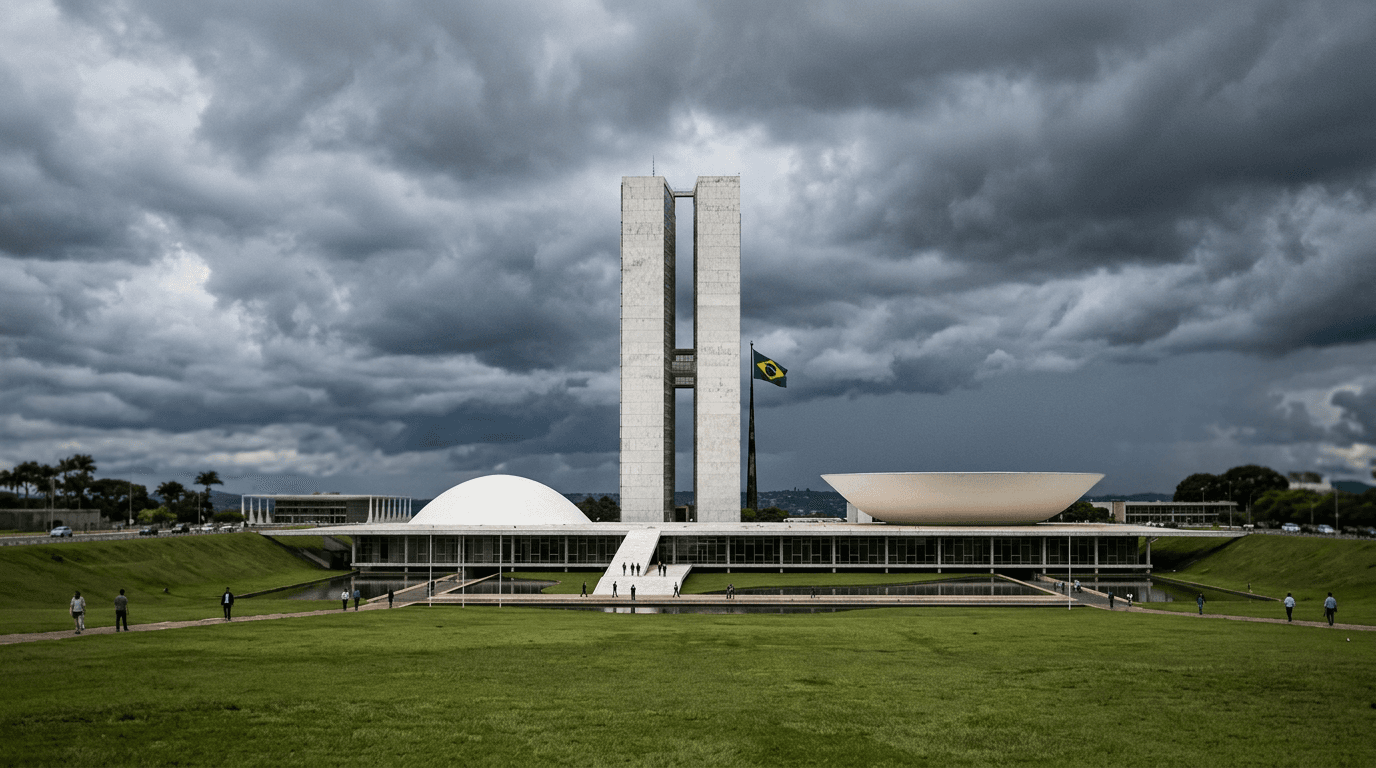
Global investors holding broad emerging-market funds are facing a fresh wave of political volatility as Brazil’s presidential election cycle triggers a major policy shift on public safety. The country's deep-seated security challenges, which directly affect local operating costs and corporate logistics, have suddenly climbed to the top of the legislative agenda, disrupting the government's broader policy timeline.
In a televised interview with TV Globo on October 15, 2026, Brazilian President Luiz Inácio Lula da Silva announced he supports lowering the minimum age of criminal responsibility from 18 to 16 for heinous crimes. The statement marks a historic departure for the leftist leader and his Workers’ Party (PT), which have traditionally resisted punitive measures for minors. Lula’s pivot comes as he campaigns in a tight second-round presidential race against conservative candidate Flávio Bolsonaro, who led the first round of voting by 1.87 percentage points.
The sudden debate over criminal age limits has immediately paralyzed Brazil's Congress. Senate President Davi Alcolumbre postponed a scheduled October 15, 2026, vote on a high-profile, government-backed Public Security constitutional amendment (PEC). The security bill, which aims to centralize federal policing powers and coordinate state-level efforts against organized crime, became bogged down after opposition lawmakers introduced amendments to lower the criminal age to 14 for certain offenses, forcing Alcolumbre to halt the vote to avoid a chaotic floor fight.
For international businesses operating in Brazil, the legislative gridlock delays structural reforms aimed at curbing cargo theft, extortion, and retail crime. Lula has promised to establish a dedicated Ministry of Public Security once the constitutional amendment passes. However, with the voting postponed, the political risk surrounding the country’s security infrastructure will likely remain elevated until after the October 25, 2026, runoff election.
In your brokerage app
For retail investors, this political maneuvering directly impacts the iShares MSCI Brazil ETF, a US-listed exchange-traded fund that tracks the country's largest publicly traded companies. Because security costs and logistical friction act as a structural tax on major Brazilian retailers and logistics operators held within the fund, prolonged legislative delays on public safety reforms can weigh heavily on corporate margins. Investors can monitor the fund under the ticker EWZ in standard US brokerage accounts.