
Brazil Federal Police Association Seeks Recusal of Prosecutor General Paulo Gonet in STF Crisis Probe
Federal Police delegates accuse Brazil’s top prosecutor of conflict of interest in a probe targeting a report that exposed judicial tension.
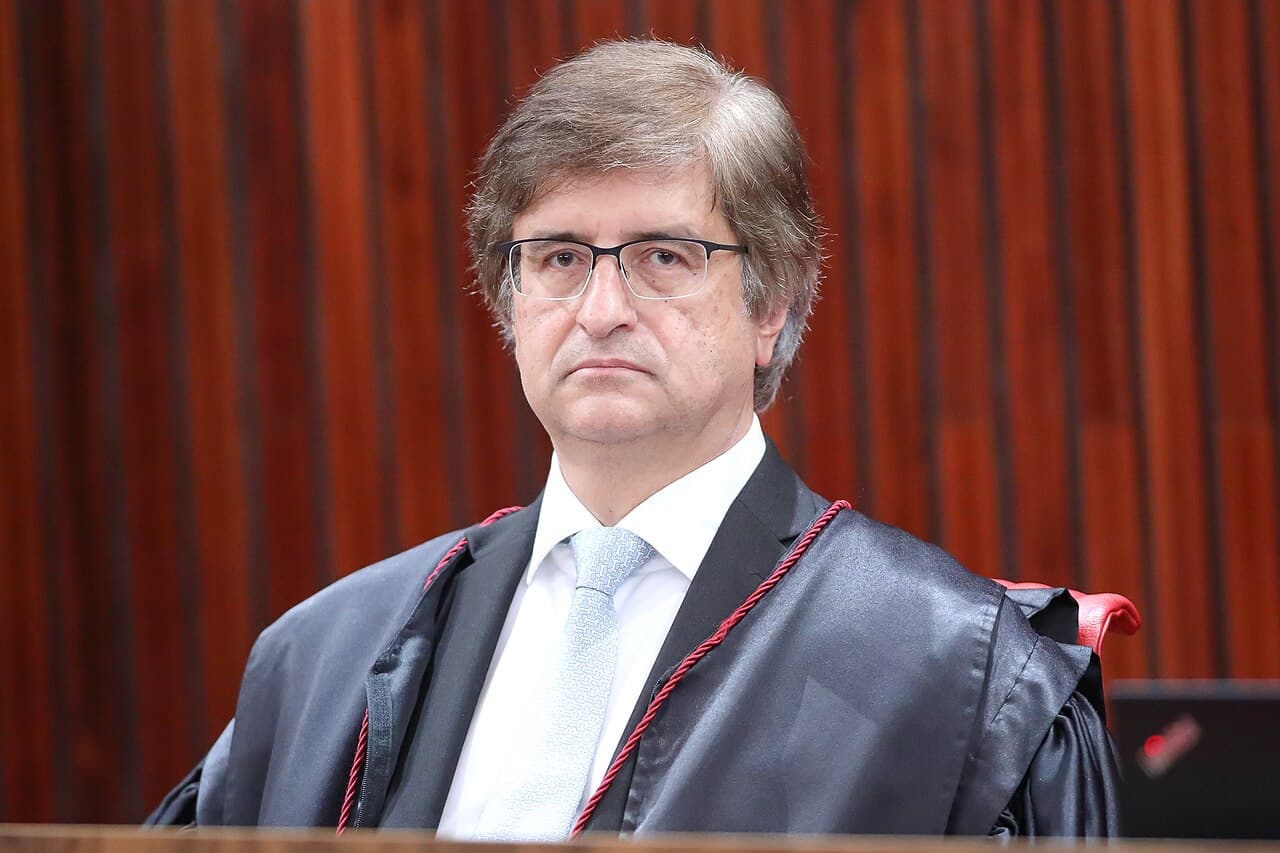
The National Association of Federal Police Delegates (ADPF) has formally requested the recusal of Prosecutor General of the Republic (PGR) Paulo Gonet from an investigation concerning a Federal Police report that exposed a deep institutional crisis within Brazil’s Supreme Federal Court (STF). The request injects a new layer of tension into a high-stakes standoff between key judicial and law enforcement institutions, arguing that the country's top prosecutor has a clear conflict of interest. The ADPF claims Gonet should be excluded from the probe because he is mentioned in the very police documents he is now investigating, and his actions inappropriately question the work of Federal Police officers who were simply following a judicial order.
The underlying conflict centers on a report from the Brazil Federal Police that detailed alleged communications between the arrested banker Daniel Vorcaro and STF Justice Alexandre de Moraes. Vorcaro, facing fraud charges in the massive Banco Master scandal, reportedly asked Justice de Moraes to intervene with the Federal Police Director and "Paulo Gonet" to slow investigations. The revelation—which has been described as a "civil war" inside the STF—sparked a judicial dispute after STF Justice André Mendonça unsealed the report.
In an action that drew the ire of the ADPF, Prosecutor General Paulo Gonet formally requested the annulment of the PF report, arguing that Justice Mendonça acted outside his authority by ordering an investigation into a fellow STF justice without the approval of the full court. The ADPF’s move is a direct response, painting Gonet's attempt to nullify the report as an attack on the integrity of the Federal Police’s technical work and the judicial act that authorized it. The association maintains that its officers fulfilled their constitutional duty by executing the judicial order to retrieve the banker's messages.
Gonet’s position is further complicated by the fact that the mention of his name in Vorcaro's messages has already triggered an internal review by the Superior Council of the Federal Public Prosecutor's Office (CSMPF) to analyze his possible proximity to the banker. The delegates' recusal request adds external pressure to this process, suggesting that the Prosecutor General, whose office is tasked with acting as the primary legal watchdog for the nation, is compromised in his ability to impartially investigate the matter. The ADPF’s public challenge signals growing institutional defiance within the law enforcement body toward the PGR’s handling of a case that involves two of the country’s most powerful figures, a leading Supreme Court Justice and the Prosecutor General himself.
The immediate next steps will involve a response from Gonet and the CSMPF, which must now consider both the internal review and the external recusal request from the Federal Police delegates. Meanwhile, the Supreme Federal Court itself must determine the fate of Gonet’s original request to annul the PF report, a decision that will define the extent of the STF crisis and the boundaries of judicial oversight in Brazil’s high-profile political investigations.
What it touches The deepening judicial standoff between the country's key institutional actors—the Federal Police, the Prosecutor General, and the Supreme Court—raises questions about Brazilian institutional stability. This ongoing uncertainty is a risk factor tracked by international investors, who weigh political and judicial predictability heavily in their risk models for Latin America's largest economy.