
Brazil Elections 2026 See Record Surge in Indigenous and LGBTQIA+ Candidates
Diverse candidacies for Brazil's National Congress are at a record high, signaling a structural shift in the country's political landscape.
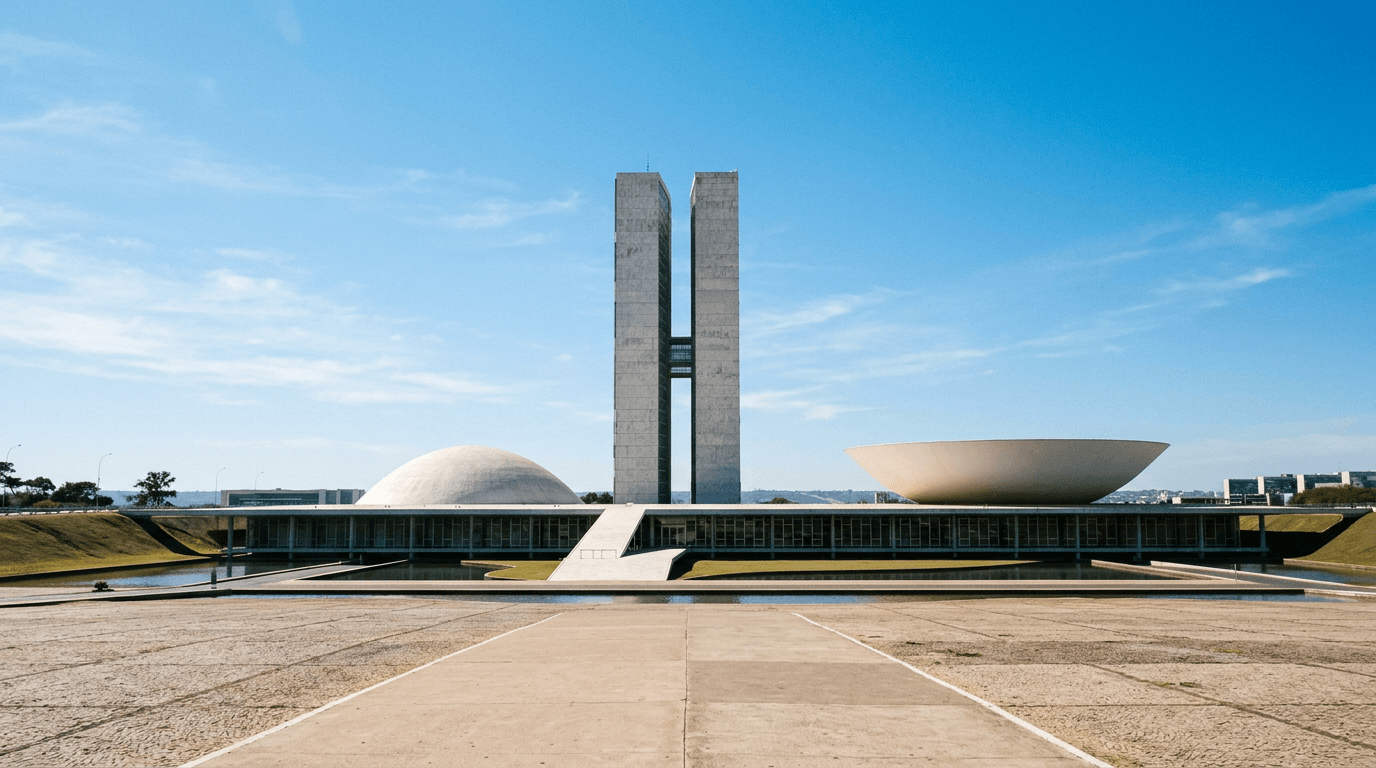
The October 2026 Brazilian general elections are set to see a record number of diverse candidates running for office, signaling a structural shift in the country's political landscape and pushing social issues to the forefront of the electoral debate. Data from the Superior Electoral Court (TSE) and the Instituto Plena Cidadania show the highest-ever concentration of Indigenous, quilombola, and LGBTQIA+ individuals registered to compete, especially for seats in the National Congress. Specifically, the number of LGBTQIA+ candidacies has grown by 57% since the 2022 general elections, reaching a record 514 names, while the 191 Indigenous candidates registered marks the largest figure since 2014, the year the TSE began tracking self-declared race and ethnicity.
This surge in representation is also notable among quilombola candidates—individuals from traditional Afro-Brazilian communities often located in rural or remote areas—whose numbers reached 214, a 75% increase over the 2024 municipal elections. For many of these groups, the 2026 race is a pivotal moment: it is the first general election where the TSE included an optional self-declaration field for sexual orientation and gender identity, allowing for more precise tracking of the LGBTQIA+ cohort. The concentration of this growth is most pronounced in the race for Federal Deputy, the powerful lower house of the National Congress.
Political analysts suggest this increased diversity is less a sign of sudden benevolence from established parties and more a reaction to a visible, viable electoral force. Historically marginalized groups have organized to demand representation, and political parties have started to recognize the electoral power—and associated campaign funding benefit—of putting forward diverse candidates. By sponsoring these candidacies, parties are implicitly acknowledging that social agendas like Indigenous land rights, environmental protection, and LGBTQIA+ civil rights are now central to securing voter engagement in various regions, particularly in the North, Northeast, and Center-West of the country.
While the record numbers are seen as an advancement for political representation, they still represent only a small fraction of the total field. For instance, the 514 LGBTQIA+ candidates account for approximately 2.5% of all registered candidates, despite estimates suggesting the group makes up a significantly larger portion of the overall population. The key challenge now shifts from securing a spot on the ballot to winning the election. The next major milestone will be the first-round vote on October 4, which will determine how many of these first-time candidates manage to convert their historic candidacies into actual legislative seats in the National Congress.