
Brazil Central Bank Liquidates Two Securities Firms Tied to Massive Banco Master Scandal
Brazil's Central Bank liquidates two securities distribution firms, Trustee and Banvox DTVM, linked to the high-profile Banco Master money laundering and fraud investigation.
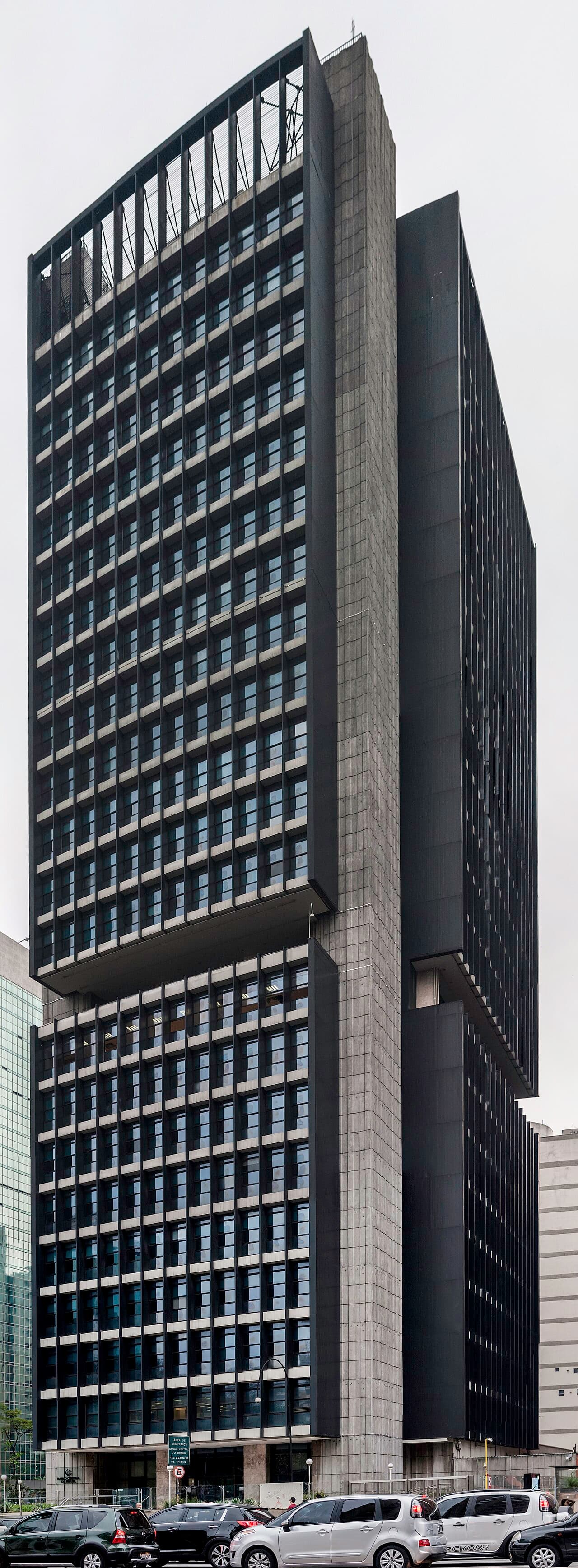
Brazil’s Central Bank (BC) decreed the extrajudicial liquidation of Trustee Distribuidora de Títulos e Valores Mobiliários (DTVM) and Banvox DTVM on Thursday, citing “grave violations of legal norms.” The action against the two securities distribution firms marks a significant regulatory move against entities tied to the high-profile ‘Master’ financial scandal, reinforcing the central bank’s commitment to institutional integrity within the National Financial System. The liquidation effectively shutters both entities and removes them from the market.
Both liquidated firms were connected to Maurício Quadrado, a former partner and ex-president of the now-liquidated Banco Master, which was owned by Daniel Vorcaro. The Central Bank ordered the extrajudicial liquidation of Banco Master on November 18, 2025, following months of scrutiny over its operations and the arrest of Vorcaro. The closure of Trustee and Banvox focuses regulatory attention on Quadrado’s peripheral operations and their alleged role in the broader scheme that brought down the bank. Extrajudicial liquidation is the most extreme measure available to the BC, used when a financial entity is deemed to have irreversible problems due to severe regulatory misconduct.
The firms’ regulatory violations stem directly from their role in administering funds targeted by the Federal Police (PF) investigation known as ‘Operation Carbono Oculto’ (Hidden Carbon Operation), which is probing ongoing money laundering operations in the country. Trustee, in particular, administered funds for Master Asset Management, the Master bank’s asset management arm. The PF operation uncovered an alleged massive scheme of money laundering and tax fraud, which authorities said used a complex network of financial vehicles to conceal resources. The broader scandal associated with the bank is estimated to involve up to R$52 billion (US$9.5 billion) in debt and potential fraud. While Trustee DTVM claimed it had already ceased administering the suspicious funds prior to the police action, investigators had previously linked it to suspected money laundering schemes.
The immediate consequence of the extrajudicial liquidation is the freezing of assets belonging to the controllers and former administrators of the two DTVMs, including Maurício Quadrado, making them unavailable while the regulatory process unfolds. This regulatory action is expected to be followed by further developments in the criminal investigation, as the assets are scrutinized for their connection to the wider ‘Carbono Oculto’ money laundering probe. The swift action demonstrates the central bank’s mandate to ensure that financial intermediaries that facilitate organized crime are removed from the market.
What it touches The liquidation of financial firms due to regulatory violations linked to money laundering underscores the counterparty and operational risk associated with smaller, less-regulated financial institutions in Brazil. While the Central Bank maintained there was no systemic risk from the Master collapse, the size of the alleged fraud, which generated the largest payout in the history of Brazil’s Credit Guarantee Fund (FGC), raises governance questions for Brazilian mid-cap banks. Foreign investors monitor these regulatory crackdowns as indicators of the strength of Brazil's financial sector oversight.