
Brazil Fintechs Face Reality Check as Consumer Debt Hits Record High
Despite strong economic growth, 84 million Brazilians are in default, posing a major risk for high-flying digital banks ahead of the October election.
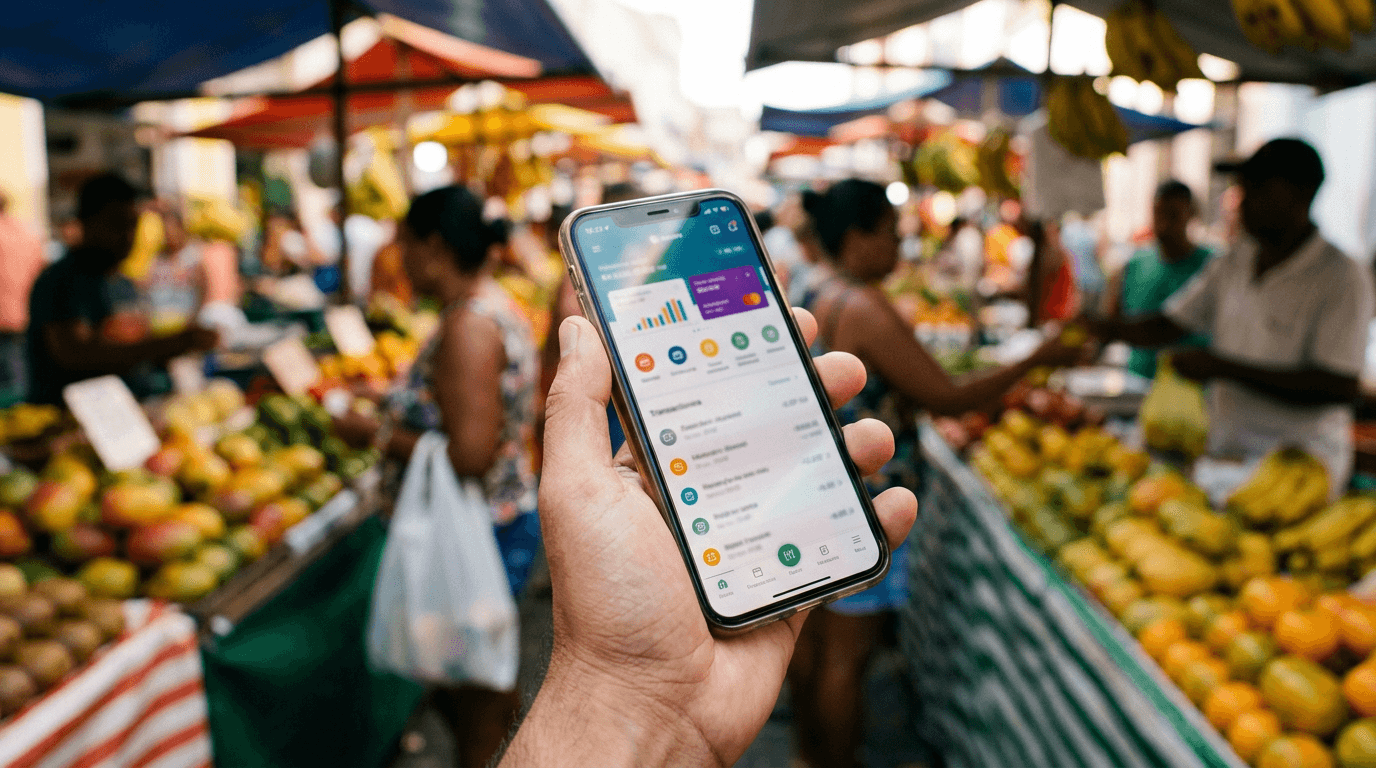
A striking paradox is unfolding in Latin America’s largest economy. While international investors cheer Brazil’s resilient macroeconomic indicators—including a low 5.6% unemployment rate and steady 2.3% GDP growth—a silent crisis is brewing in the household budgets of ordinary citizens. According to data released in September 2026 by credit research firm Serasa Experian, a record 83.9 million Brazilians are currently in default on their debts, representing over half of the country's adult population.
This historic wave of delinquencies is primarily driven by high-interest consumer credit, particularly credit cards and unsecured personal loans. The financial strain on households has intensified as the Central Bank of Brazil maintains its benchmark Selic interest rate at a highly restrictive 13.75% to combat persistent inflation. With basic interest rates at this level, revolving credit card rates in Brazil routinely exceed 400% annually, quickly compounding modest balances into unpayable debts for millions of working-class families.
The consumer debt crisis represents a significant structural bottleneck for the country's celebrated financial technology sector. Over the last decade, digital-first banks transformed Brazilian finance by offering easy mobile access to credit to millions of previously unbanked citizens. However, this rapid credit democratization has left fintechs highly exposed to the repayment capacity of lower-income households, who are currently dedicating an average of nearly 30% of their monthly income just to service existing debts.
This domestic financial stress is coming to a head just as Brazil prepares for a highly anticipated presidential runoff election on October 25. While foreign markets frequently focus on the political risk and fiscal promises of the competing campaigns, local analysts warn that the immediate trajectory of the retail economy depends far more on how the central bank and private lenders navigate this credit bottleneck. Regardless of the electoral outcome, the next administration will inherit a consumer base with severely restricted purchasing power.
What it touches
This systemic credit pressure directly impacts popular Brazil stocks listed in US exchanges, which have otherwise benefited from positive market sentiment. Digital banking giants Nu Holdings (NYSE: NU) and Inter & Co (NASDAQ: INTR), alongside payment processor StoneCo (NASDAQ: STNE), are highly sensitive to domestic asset quality. If delinquency rates continue to climb, these institutions may be forced to increase their provisions for bad loans, potentially squeezing the profit margins that have fueled the recent rally in Brazil stocks.