
Nasdaq Retail Investors Avoid Dilution as MercadoLibre Raises $1 Billion
MercadoLibre bypassed equity dilution for U.S. retail investors by closing a $1 billion senior unsecured notes offering to fund its Latin American expansion.
U.S. retail investors holding shares of major technology and e-commerce companies often face the risk of equity dilution when those firms seek massive cash injections to fund their growth. However, Latin American e-commerce and fintech leader MercadoLibre has bypassed that risk entirely by tapping global debt markets for its latest expansion capital.
On September 14, 2026, MercadoLibre closed an underwritten public offering of $1 billion in aggregate principal amount of 5.850% notes due in 2036. By issuing senior unsecured notes rather than launching a secondary stock offering, the company secured long-term funding while keeping the share count for its Nasdaq-listed investors completely unchanged. The transaction, which marked a key milestone in the company's consolidation as an investment-grade issuer, drew strong institutional demand from more than one hundred global investors.
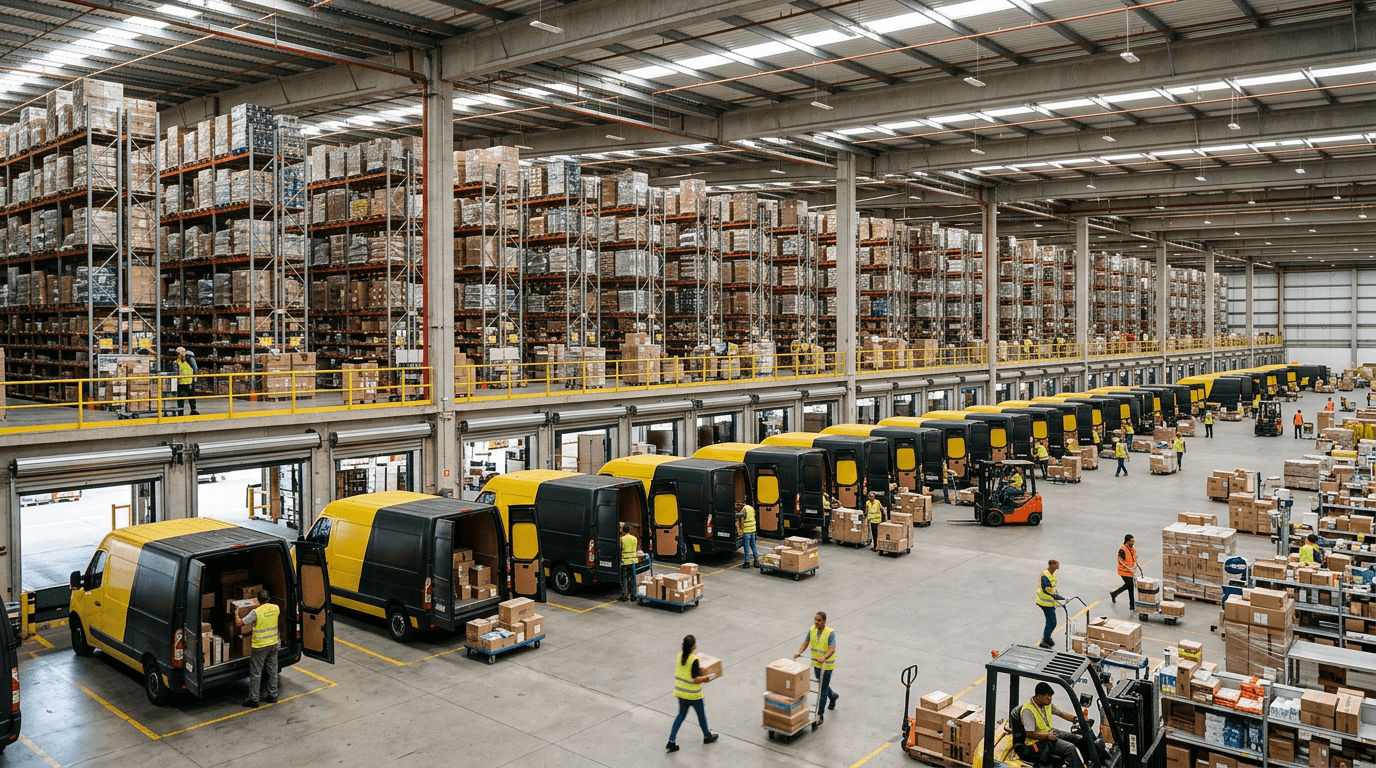
The capital injection is destined to fuel MercadoLibre's highly successful dual-engine business model, which pairs its retail marketplace with its digital payments arm, Mercado Pago. This "flywheel" has turned the company into a dominant force across Latin America, driving net revenues up by 50% year-over-year to $10.2 billion in the second quarter of 2026. To sustain this momentum, the company is aggressively expanding its proprietary logistics network and credit offerings, particularly in its largest regional market, Brazil.
Regional Backing and Political Realities
To secure the $1 billion in funding at investment-grade terms, MercadoLibre relied on its heavy-hitting local operations to back the debt. The 2036 notes are fully and unconditionally guaranteed by key regional subsidiaries, including Mercado Livre Brasil Ltda. and DeRemate.com de México. These guaranteeing subsidiaries are the absolute engine of the company, representing 65.2% of its consolidated total revenues for the first six months of 2026.
By anchoring the bonds to its Brazilian and Mexican entities, MercadoLibre directly exposes its credit profile to the macroeconomic and political realities of Latin America’s two largest economies. In Brazil, which serves as the company's primary revenue driver, foreign investors closely monitor political risk and fiscal policy. Any sudden shifts in central bank monetary policy or regulatory changes affecting digital payments could impact Mercado Pago's lending margins. However, by locking in a fixed 5.850% coupon rate for the next decade, MercadoLibre has insulated its long-term borrowing costs from local interest rate volatility.
With the $1 billion now on its balance sheet, MercadoLibre is positioned to defend its market share against international competitors without asking its equity holders to foot the bill. The company plans to list the new notes on the Nasdaq Bond Market, further integrating its debt profile into the U.S. financial ecosystem.
In your brokerage app
MercadoLibre, Inc. is listed in New York on the Nasdaq, where its common stock trades under the ticker MELI. For retail investors seeking diversified exposure to the digital economy of emerging markets, the company is also a major holding in specialized, smartphone-era consumer funds such as the FMQQ The Next Frontier Internet ETF.