
Why soybean traders are loading up on long contracts
Speculators increased their net-long positions in CBOT soybean futures to 273,896 contracts as of October 6, 2026, signaling a shift in agricultural market sentiment.
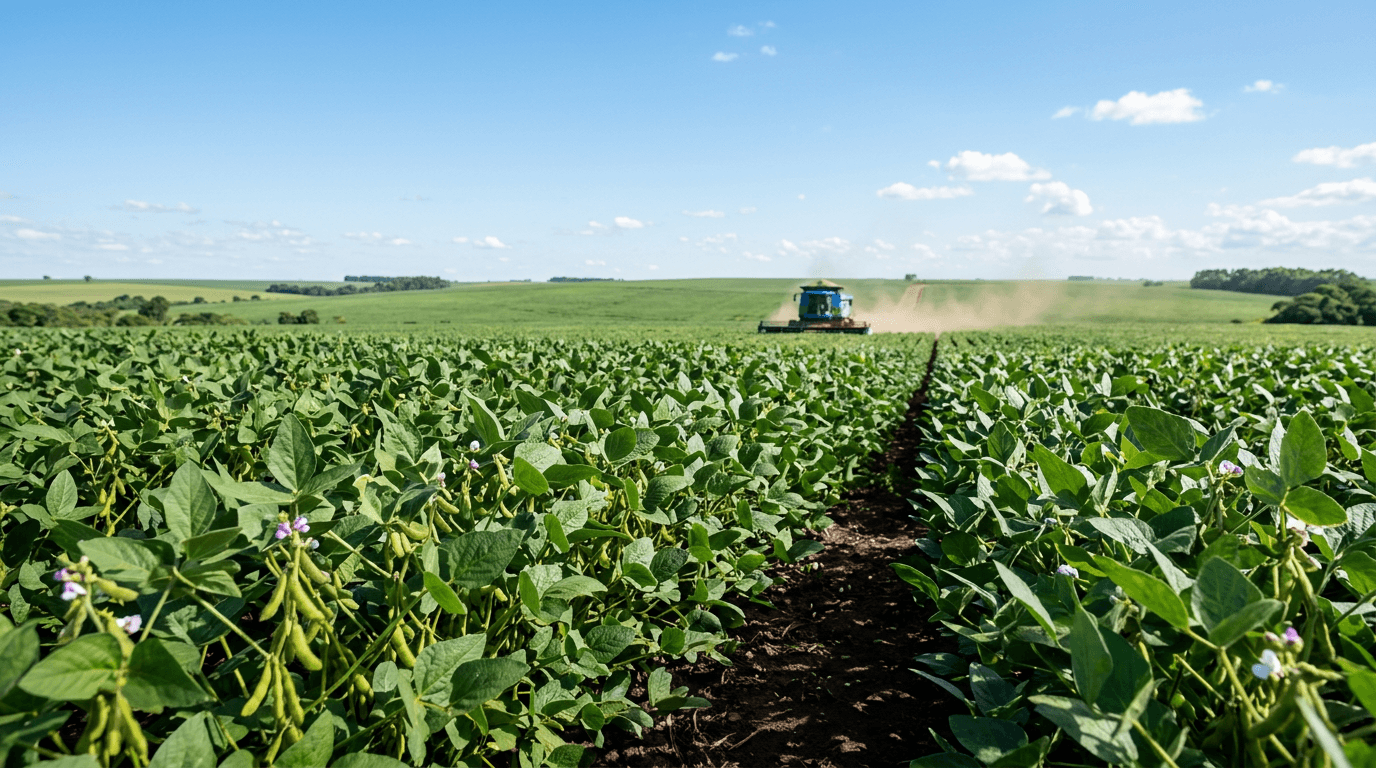
American retail investors tracking agricultural commodities or holding diversified emerging market funds have a new data point to consider from the Chicago Board of Trade. Speculative traders are quietly building up their bets on soybeans, shifting the sentiment landscape for global agricultural exports.
According to the weekly Commitments of Traders report released by the U.S. Commodity Futures Trading Commission (CFTC) for the observation week ending October 6, 2026, non-commercial traders held 360,967 long contracts compared to 87,071 short contracts. This brought the net-long speculative positioning to 273,896 contracts, set against a total contract open interest of 1,121,298.
This weekly positioning data serves as an indicator of market participation rather than a direct price forecast. For global agricultural giants like Brazil, which competes directly with U.S. farmers to supply global soybean demand, these shifts in Chicago futures reflect broader expectations about supply, weather patterns, and export volumes.
In Brazil, the world's largest exporter of soybeans, the agricultural sector is highly sensitive to these global pricing benchmarks. Political risks and infrastructure bottlenecks ahead of the country's upcoming electoral cycles often amplify the volatility of local producers, making Chicago futures a key hedging tool for South American operations.
In your brokerage app
For retail investors looking to capture exposure to South American agribusiness, Adecoagro S.A. is listed in New York on the NYSE under the ticker AGRO. While the company operates extensive sugar and ethanol clusters in Brazil, it also manages large-scale soybean, corn, and dairy operations across Argentina and Uruguay, making it a highly diversified play on South American farmland and agricultural commodities.