
Global Tech Firms Face Grid Bottlenecks in South American AI Race
Brazil's CPFL Energia reports 8 gigawatts in data center power requests, exposing physical infrastructure limits and regulatory hurdles in the global AI expansion.
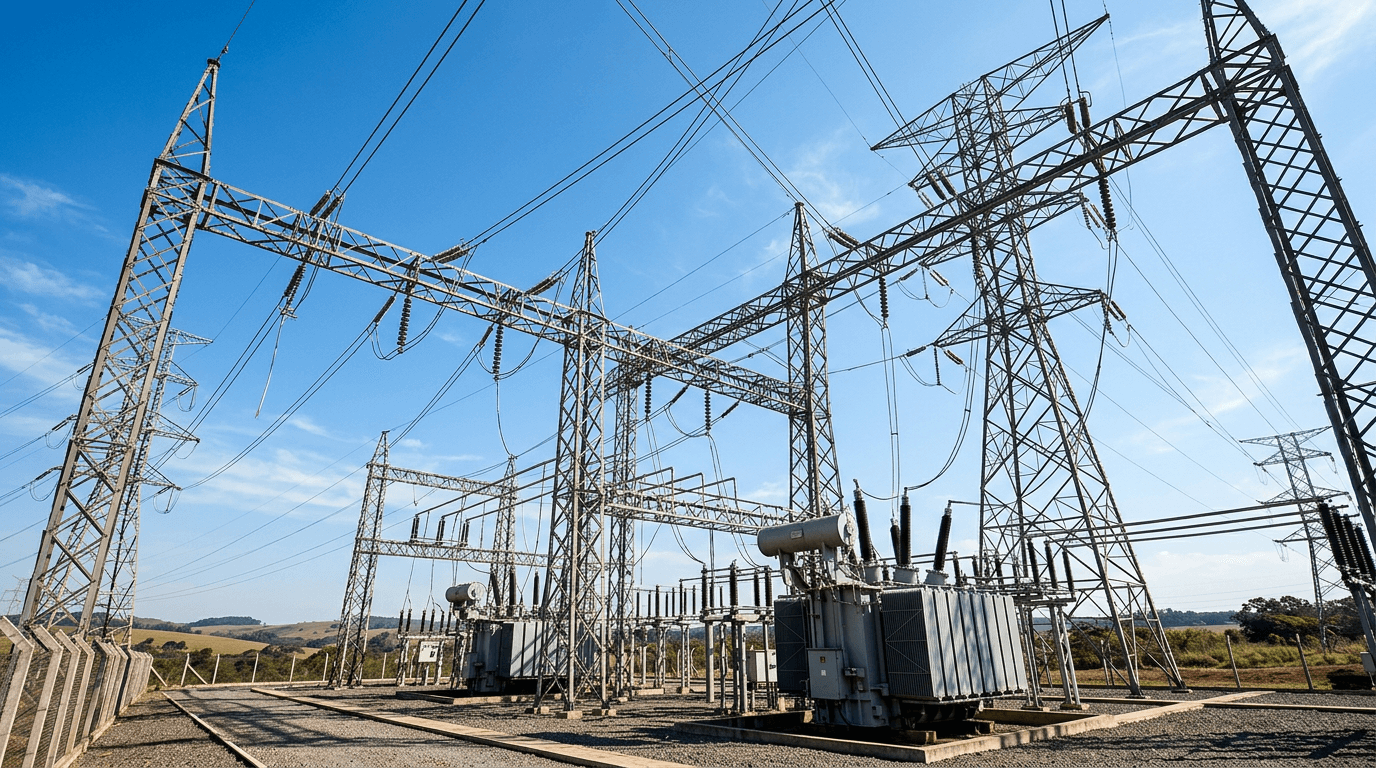
If you own shares in global technology giants or clean energy utilities, your portfolio is already deeply exposed to the massive power demands of artificial intelligence. The race to secure gigawatts of electricity to run AI workloads has led developers to scour the globe for stable, green power. However, the physical reality of utility grids is fast becoming the ultimate bottleneck for tech expansion.
This global infrastructure squeeze has arrived at a critical junction in South America. CPFL Energia, Brazil's largest private power distributor, has received approximately 8 gigawatts (GW) in power connection requests from data centers over the last 18 months, according to corporate disclosures on October 14, 2026. To put that figure in perspective, 8 GW is eight times the total capacity of all data centers currently operating in the entire country, which stands at roughly 1 GW.
The surge is not just a future projection; it is already showing up in current billing cycles. In the second quarter of 2026, electricity consumption by data centers served by CPFL jumped 35.8% year-on-year, driven by cloud computing and initial AI workloads. CPFL, which is controlled by the State Grid Corporation of China wikipedia.org and serves major industrial hubs in the state of São Paulo, has had to deny or delay connection requests due to localized transmission constraints.
The Transmission Bottleneck
While Brazil boasts one of the cleanest electricity matrices in the world—relying heavily on hydro, wind, and solar power—the physical wires cannot keep up with the speed of digital builders. According to data from the National Grid Operator (ONS) compiled in October 2026, a standard hyperscale data center can be built in about 18 months, whereas constructing a new high-voltage transmission line to feed it takes between five and seven years.
"Campinas has 350 MW of load, and I am receiving requests that quadruple that," CPFL Chief Executive Officer Gustavo Estrella told NeoFeed on October 14, 2026. Campinas, a major technology and industrial hub in São Paulo state, has become the epicenter of this demand. Estrella noted that while some requests include speculative filings or duplicate bids, the underlying demand is concrete and massive.
To address these limitations, CPFL has announced a R$ 31 billion ($5.5 billion) investment plan running through 2030. The capital expenditure will focus heavily on grid modernization, automation, and battery storage systems to handle the sharp, volatile power ramps characteristic of AI computing clusters.
Regulatory and Political Risks
For international investors evaluating whether Brazil can successfully position itself as a global safe haven for AI processing, political and regulatory execution remains the primary risk. Under the current administration of President Luiz Inácio Lula da Silva, the government is eager to attract foreign direct investment to the digital economy. However, the regulatory framework governing power transmission auctions and grid connection priorities is still adjusting to the sheer scale of the AI boom.
The ONS recently began demanding financial guarantees from data center developers to weed out speculative "grid hoarding" and ensure that actual transmission capacity is allocated only to viable, capitalized projects. How smoothly these new rules are enforced will determine whether Brazil can convert its abundant green energy into a competitive advantage, or if bureaucratic delays will stall the buildout past the current global investment cycle.