Why Soybean Speculators Are Sticking to Big Bets as Harvests Loom
The CFTC reports deep speculative net-long positions in Chicago soybean futures, exposing retail agricultural investors to shifting global supply dynamics.
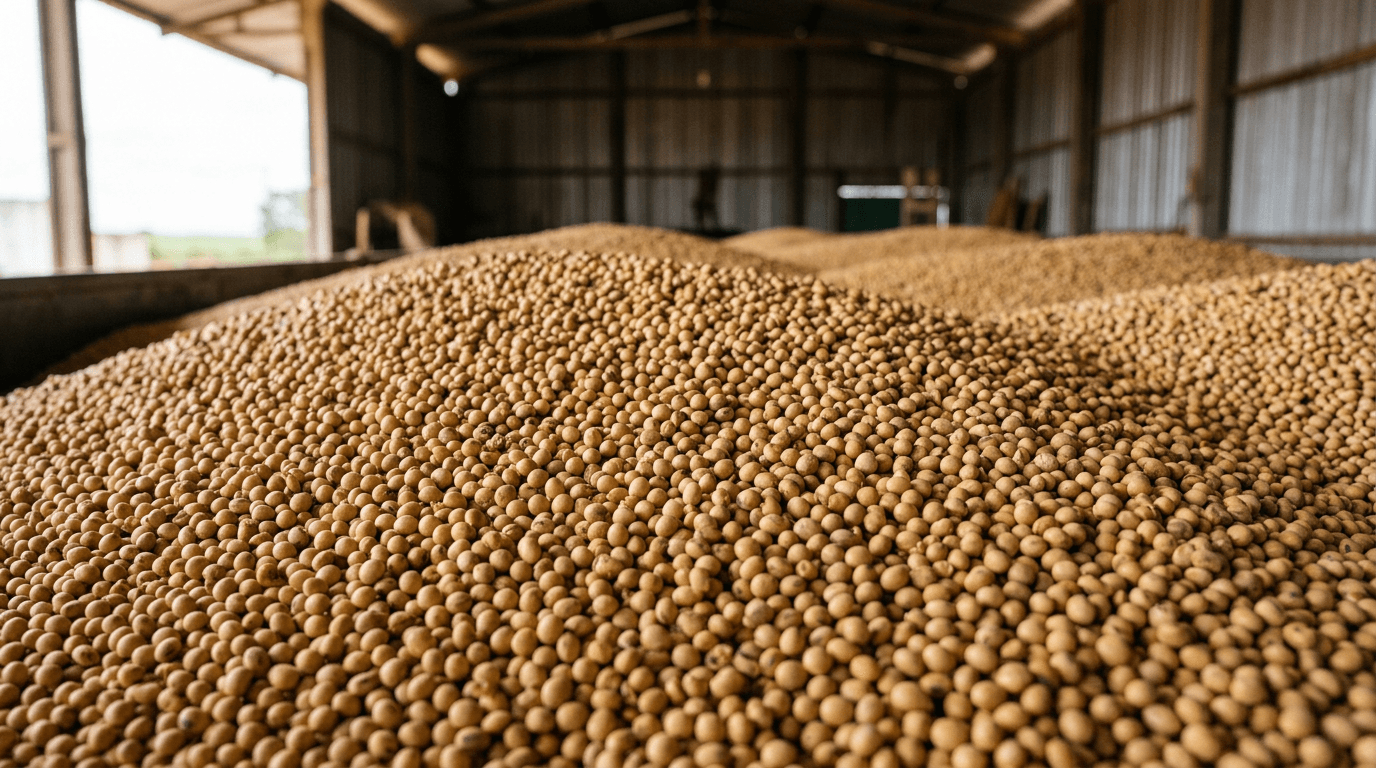
Speculators are holding onto substantial bullish bets in the agricultural markets, even as global supply chains prepare for a massive influx of autumn crops. While these positions reflect speculative sentiment rather than a guaranteed price trajectory, they provide a critical snapshot of where institutional money is concentrated.
According to the weekly Commitments of Traders report released by the U.S. Commodity Futures Trading Commission (CFTC), non-commercial traders—primarily hedge funds and large speculative institutions—held a heavy net-long position in Chicago Board of Trade soybean futures (contract 005602). As of the October 27, 2026, observation date, these non-commercial players held 271,296 long contracts compared to just 67,177 short contracts, resulting in a net-long position of 204,119 contracts. Total open interest across the market stood at 979,414 contracts for the week.
For global investors, these Chicago board positions are deeply intertwined with South American soil. Brazil is the world’s largest exporter of soybeans, and its agricultural heartland—particularly the central-western state of Mato Grosso—dictates the physical supply that Chicago paper contracts attempt to price. When American speculators build large net-long positions, they are essentially betting against smooth logistics and perfect weather in the Southern Hemisphere, where planting for the next major harvest is currently underway.
The Policy and Infrastructure Bottlenecks
Political and regulatory developments in South America heavily influence whether these speculative long positions yield profits or face sudden liquidations. In Brazil, agricultural policy is highly politicized. The federal government under President Luiz Inácio Lula da Silva frequently balances environmental commitments in the Amazon biome with the demands of the powerful congressional "ruralist" caucus, which represents large-scale landowners.
Furthermore, logistics remain the ultimate swing factor. Brazilian soybeans must travel thousands of miles over poorly paved highways to reach key northern ports like Barcarena or southern hubs like Paranaguá. Any regulatory shift regarding diesel pricing, toll concessions, or environmental licensing for key transport corridors can instantly delay shipments, tightening global physical supply and validating the bullish stance of Chicago speculators. Conversely, ideal weather and smooth shipping routes can quickly trigger a rush to sell, driving down futures prices.
In your brokerage app
For retail investors looking to gain exposure to global agricultural flows without trading complex futures contracts, Adecoagro S.A. is listed in New York on the NYSE. The company owns and operates vast tracts of farmland across South America, producing soybeans, corn, and sugar. It is also a prominent holding in specialized agribusiness exchange-traded funds, such as the VanEck Vectors Agribusiness ETF, which tracks global agricultural producers and equipment manufacturers.