
Why Soybean Speculators Are Shifting Positions as Brazil Begins Planting
Speculators in Chicago are adjusting their soybean bets as Brazil's planting gets underway, balanced by a massive 186-million-ton USDA crop forecast.
American grocery shoppers and retail investors tracking commodity exchange-traded funds are keeping a close eye on the Chicago Board of Trade, where the latest regulatory data reveals how large financial players are positioning themselves ahead of the South American winter. The cost of everything from animal feed to vegetable oil hinges on these positions, which reflect the market's collective bet on global crop volumes.
According to the U.S. Commodity Futures Trading Commission (CFTC) report for the week ending October 6, 2026, non-commercial traders—primarily hedge funds and large speculators—held a net-long position of 273,896 contracts in Chicago soybean futures. Speculators held 360,967 long contracts compared to 87,071 short contracts, with total market open interest standing at 1,121,298 contracts. Rather than predicting a sudden price spike, this weekly snapshot highlights a market carefully balancing immediate weather risks against a looming wall of supply.
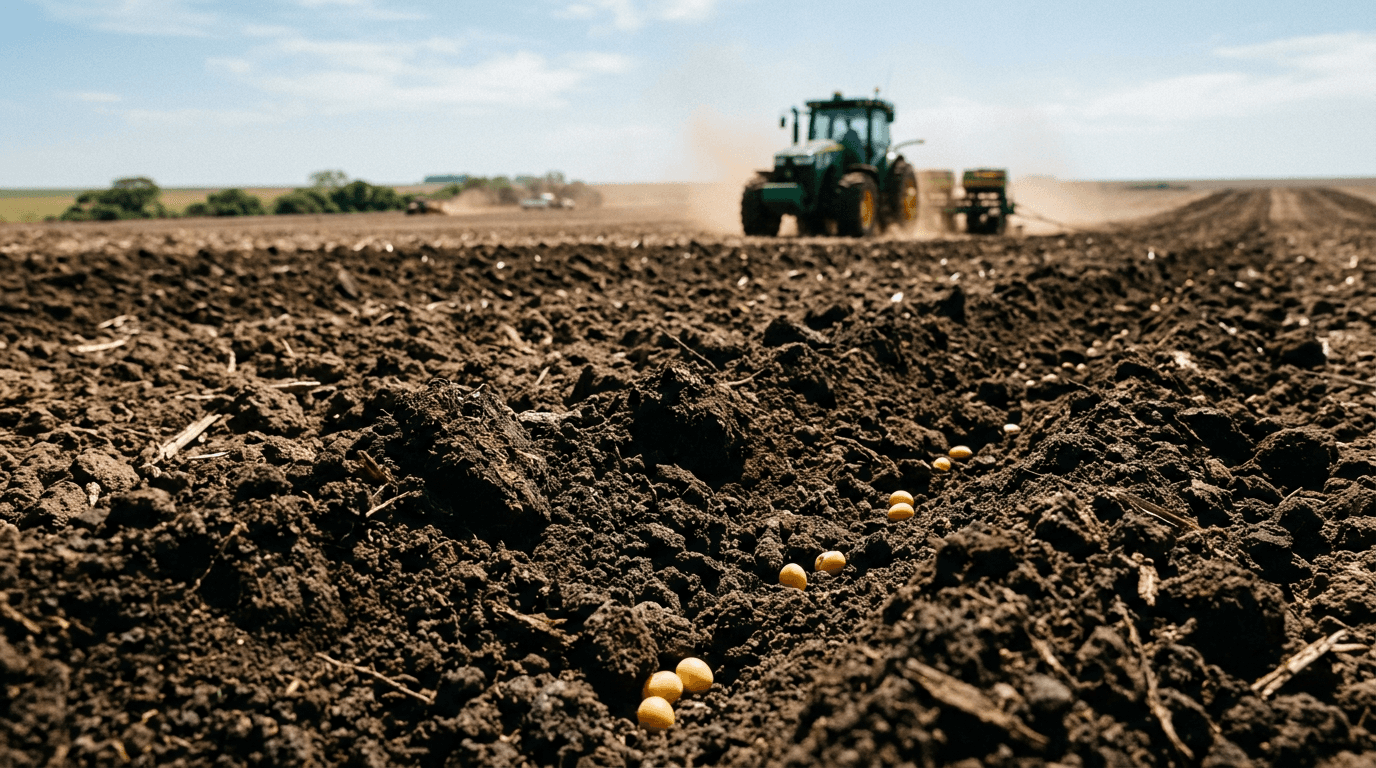
The primary driver of this cautious optimism is Brazil, the world’s largest soybean exporter and the dominant force shaping global agricultural trade. Brazilian farmers are currently in the early stages of planting their 2026/27 crop, a process heavily scrutinized by international desks. According to data from agricultural consultancy AgRural on October 10, 2026, national planting progress reached 7.3%, trailing the 9.0% pace recorded at the same time last year due to localized dry weather and high temperatures in central growing regions like Mato Grosso.
Despite these minor early-season delays, agricultural agencies are not sounding the alarm. On October 9, 2026, the U.S. Department of Agriculture (USDA) maintained its massive forecast for Brazil's 2026/27 soybean production at 186 million metric tons in its World Agricultural Supply and Demand Estimates (WASDE) report. Local consultancies like StoneX have also held their projections steady at approximately 183.3 million metric tons. Because these figures hover near or above the previous year's historic 180-million-ton baseline, speculative traders are reluctant to build excessively aggressive short positions, knowing that any extended weather disruption in South America could quickly tighten the global balance sheet.
Beyond the weather, international investors are keeping an eye on political and regulatory dynamics under President Luiz Inácio Lula da Silva. The administration's focus on environmental compliance and infrastructure spending directly impacts the cost of moving grain from the agricultural heartland of Mato Grosso to northern ports. While political debates over tax reforms and transport subsidies introduce localized friction, the sheer scale of Brazil's agricultural machine continues to dictate the marginal price of soybeans on Chicago screens.
In your brokerage app
For retail investors, the direct link to global agricultural trends runs through specialized equities rather than complex futures contracts. Adecoagro S.A., listed in New York, owns and operates extensive farmland assets across South America, making its operational margins highly sensitive to regional crop yields and global commodity pricing. Alternatively, investors seeking broad exposure to the country's corporate sector often hold the iShares MSCI Brazil ETF, a prominent exchange-traded fund that tracks the largest companies driving the Brazilian economy.