
Why Soybean Futures Market Bets Are Shifting Toward Net-Long
CFTC data shows non-commercial traders held a net-long position of 273,896 soybean contracts on October 6, 2026, reflecting global supply dynamics.
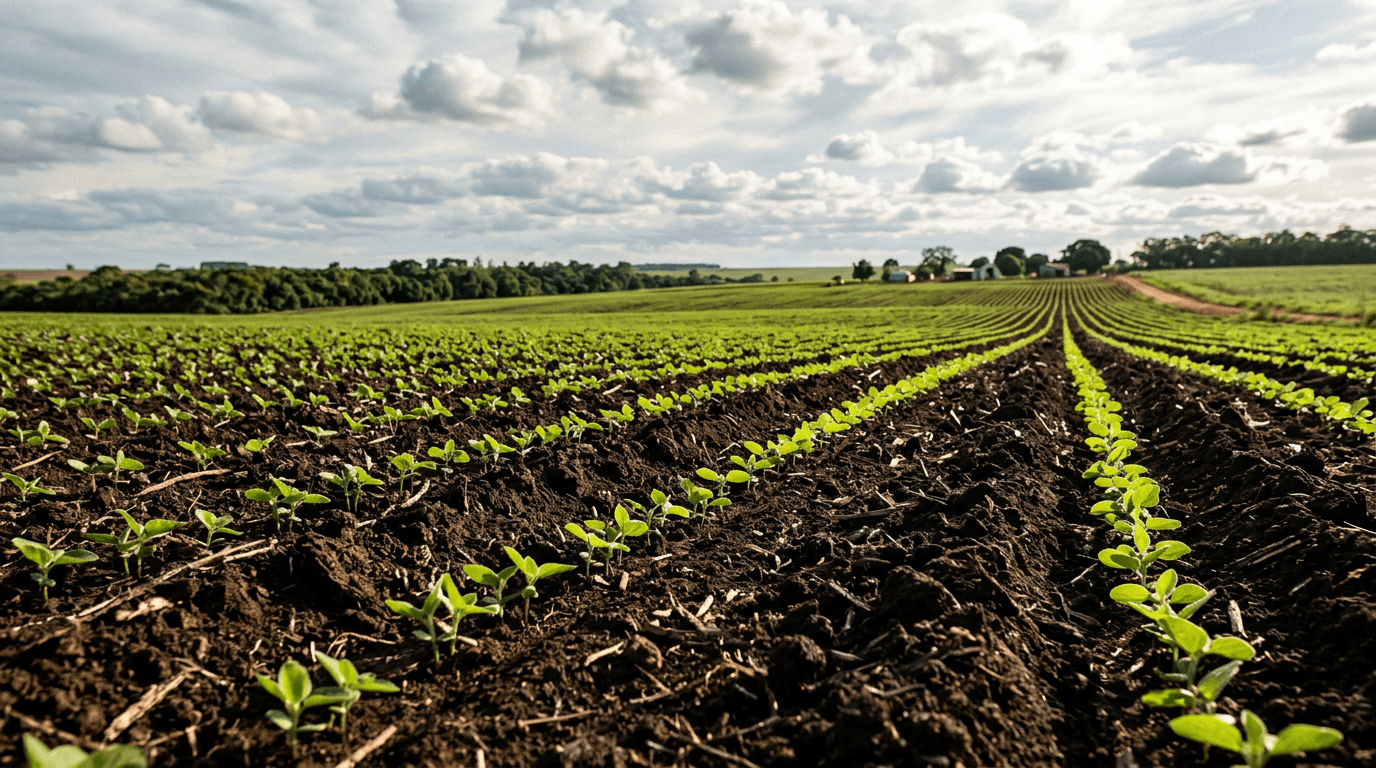
Speculative traders in the Chicago agricultural pits are leaning back into the long side of the grain complex. According to the weekly Commitments of Traders report released by the U.S. Commodity Futures Trading Commission (CFTC) for the observation date of October 6, 2026, non-commercial traders held a substantial net-long position in Chicago Board of Trade soybean futures. While weekly trader positioning provides crucial market sentiment context rather than a direct price forecast, the data underscores a shifting risk appetite in global food supplies.
For global investors, these Chicago-driven bets are heavily tied to the agricultural engine of South America. Brazil is the world's largest producer and exporter of soybeans, making its upcoming crop cycle the single most important variable for CBOT pricing. Any disruption to the Brazilian planting season—which typically ramps up in the final quarter of the year—directly influences how hedge funds and large speculators manage their exposure in U.S. futures contracts.
According to the CFTC legacy futures-only report for soybean contract 005602, total market open interest stood at 1,121,298 contracts as of October 6, 2026. On that date, non-commercial traders—representing the speculative side of the market, such as hedge funds and asset managers—held 360,967 long contracts compared to 87,071 short contracts. This resulted in a net-long position of 273,896 contracts. In contrast, commercial hedgers, who represent the physical grain trade, held a net-short position of 249,997 contracts, serving as the natural structural counterpart to the speculative buyers.
The Geopolitical and Climate Lens
The primary driver behind these shifting positions is the political and climate risk surrounding South American agricultural output. As Brazil approaches its next electoral cycle, domestic policies regarding infrastructure spending, export taxes, and environmental regulations on the Amazon and Cerrado biomes are closely watched by global commodity desks. Speculators monitor these regulatory frameworks because any shift in transport logistics or land-use laws can instantly alter the cost of getting Brazilian beans to ports like Paranaguá and Santos.
Furthermore, weather patterns in key producing states like Mato Grosso and Paraná act as a constant catalyst for Chicago positioning. When dry conditions delay early planting in Brazil, speculative funds quickly cover short positions and accumulate longs in CBOT contracts to hedge against potential yield drag. Conversely, when rains arrive on time, the prospect of a record-breaking Brazilian harvest tends to deflate speculative premiums, pushing funds back toward a net-short bias.
In your brokerage app
For retail investors looking to capture exposure to South American agribusiness without trading complex futures contracts, Adecoagro S.A. is listed in New York and operates extensive farmland assets across South America. Additionally, the iShares MSCI Brazil ETF, a prominent exchange-traded fund that tracks the broader Brazil stock market, holds significant exposure to the industrial, logistics, and financial institutions that bankroll and transport the country's massive agricultural exports.