Speculators trim bullish soybean bets as Brazil rains ease supply fears
CFTC data shows hedge funds scaled back net-long soybean positions as improved weather in Brazil accelerates planting and reduces global crop concerns.
The price of the food on American grocery shelves and the performance of agricultural funds in retail brokerage accounts are quietly being reshaped by shifting global supply dynamics. For retail investors holding broad commodity baskets or agricultural ETFs, weekly sentiment data from federal regulators offers a window into where institutional money is moving. Rather than serving as a direct price forecast, these regulatory snapshots highlight how large institutional players are adjusting their risk exposure to global crop developments.
According to the weekly Commitments of Traders report released by the U.S. Commodity Futures Trading Commission (CFTC), speculative investors have scaled back their bullish bets on soybean futures traded on the Chicago Board of Trade. For the weekly observation ending October 27, 2026, non-commercial traders—a category dominated by hedge funds and large asset managers—held 271,296 long contracts (bets that prices will rise) compared to 67,177 short contracts (bets that prices will fall). This left the group with a net-long position of 204,119 contracts, down from 246,596 net-long contracts the previous week. Total open interest in the CBOT soybean contract (code 005602) stood at 979,414 contracts.
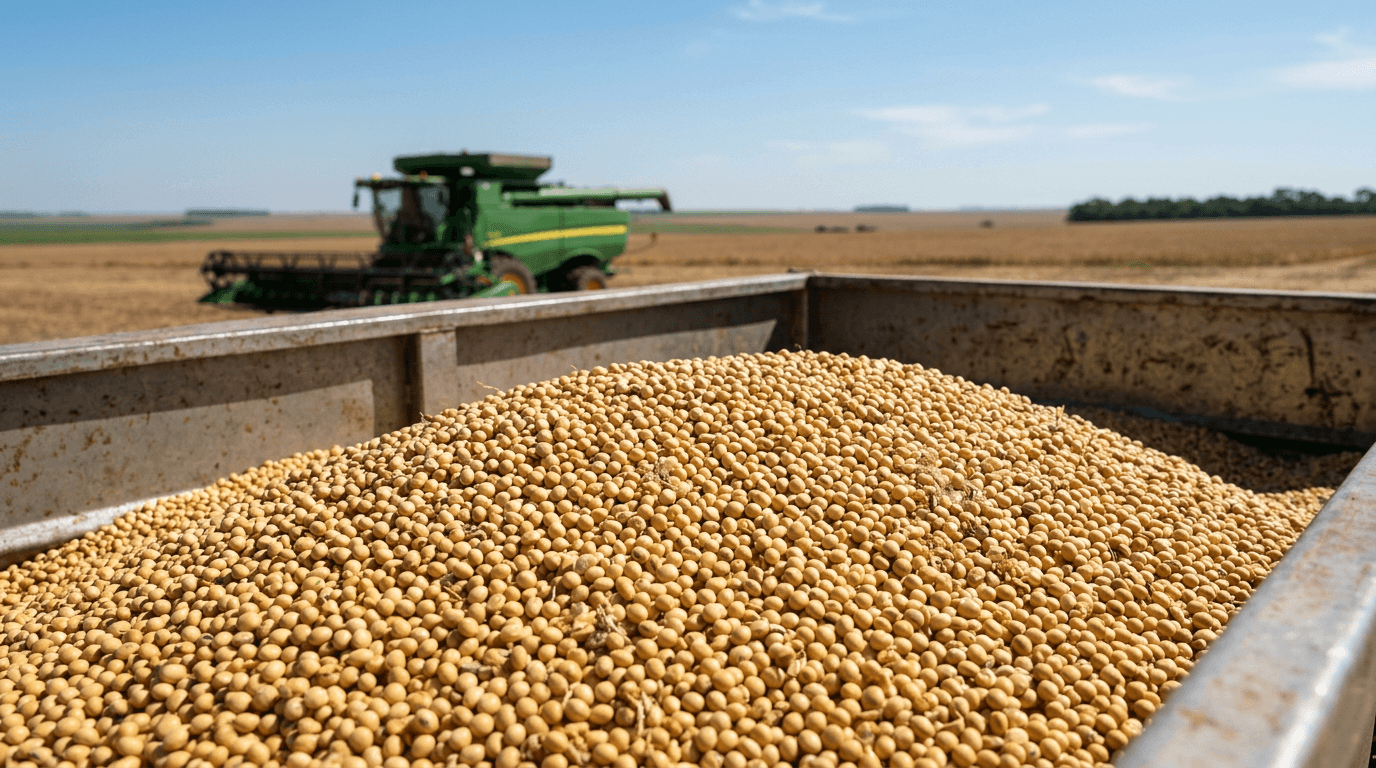
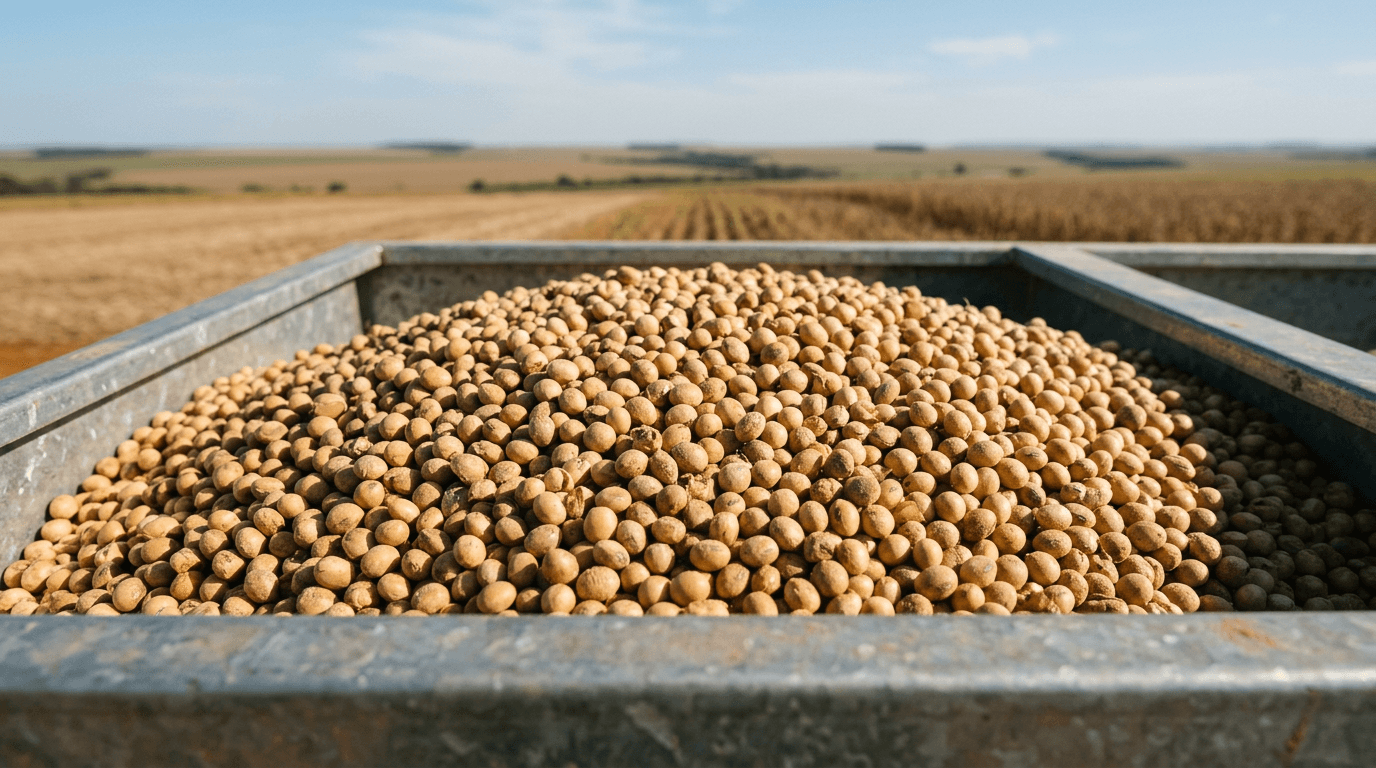
This speculative retrenchment in Chicago reflects a rapidly shifting supply outlook where Brazil plays the starring role. As the world's largest producer and exporter of soybeans, Brazil's planting progress dictates the marginal price of the oilseed on retail trading screens. After facing early-season dryness, agricultural regions in Brazil's center-west—such as the massive farming state of Mato Grosso—received widespread rainfall in October 2026, accelerating planting machinery and easing global supply anxieties.
The physical volume coming out of South America directly influences the financial health of major agribusinesses and landholders. While American retail investors rarely trade futures contracts directly, these supply-and-demand shifts ripple into the valuations of publicly traded farming giants and agricultural land corporations that operate across the Americas. These weekly positioning shifts serve as a measure of prevailing market sentiment rather than a definitive price forecast. As the South American crop year progresses toward the early 2027 harvest, global traders will continue to monitor whether rain patterns in Brazil justify the current reduction in speculative long positions or if weather disruptions will force short-sellers to cover their positions.
In your brokerage app
The agricultural sector contains several publicly traded instruments on US exchanges. For example, the Teucrium Soybean Fund (SOYB) is an exchange-traded fund listed in New York that holds Chicago Board of Trade soybean futures contracts. Additionally, Adecoagro S.A. (AGRO) is a farming and agribusiness company listed in New York that owns and operates agricultural land holdings across South America.