Why Chicago soybean futures are feeling the heat from South America
Record US soybean export sales face a powerful counterweight as Brazil's rapid planting progress and a post-election currency drop reshape global supply.
The price of the food on American dinner tables and the performance of agricultural assets in US brokerage accounts are tied directly to the weekly tug-of-war on the Chicago Board of Trade. For retail investors tracking commodity-linked markets, understanding where large institutional money is positioned provides descriptive context on how global supply shifts ripple through the financial system, rather than direct guidance on how to manage a personal portfolio.
According to the U.S. Commodity Futures Trading Commission (CFTC), non-commercial traders—primarily large financial speculators—held a substantial net-long position in Chicago soybean futures (contract 005602) as of the October 20, 2026 observation date. The weekly Commitments of Traders report showed these speculative players holding 330,528 long contracts compared to 83,932 short contracts, resulting in a net-long position of 246,596 contracts. Total open interest across the market stood at 1,093,612 contracts. While these figures reflect a bullish bias in Chicago, they represent a descriptive snapshot of outstanding contracts rather than a guaranteed price forecast.
The South American supply engine
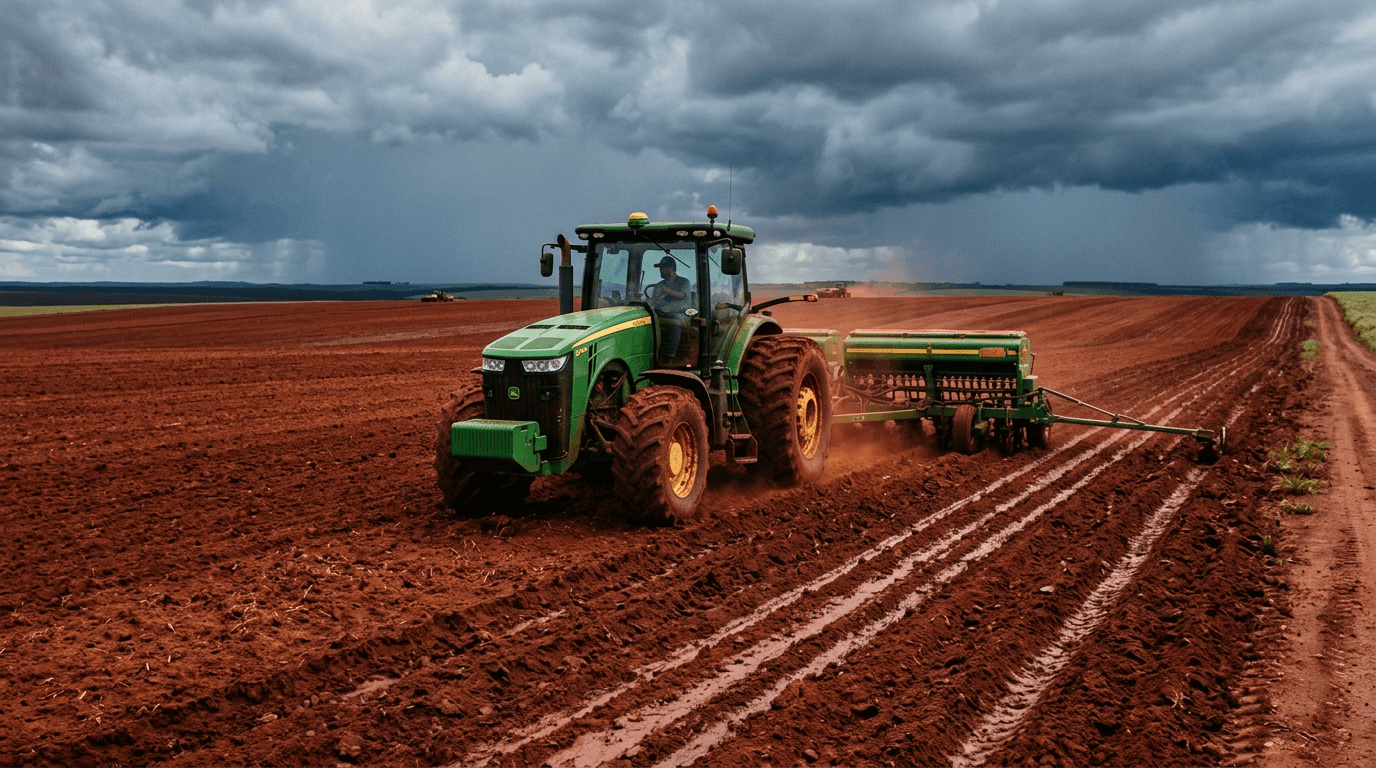
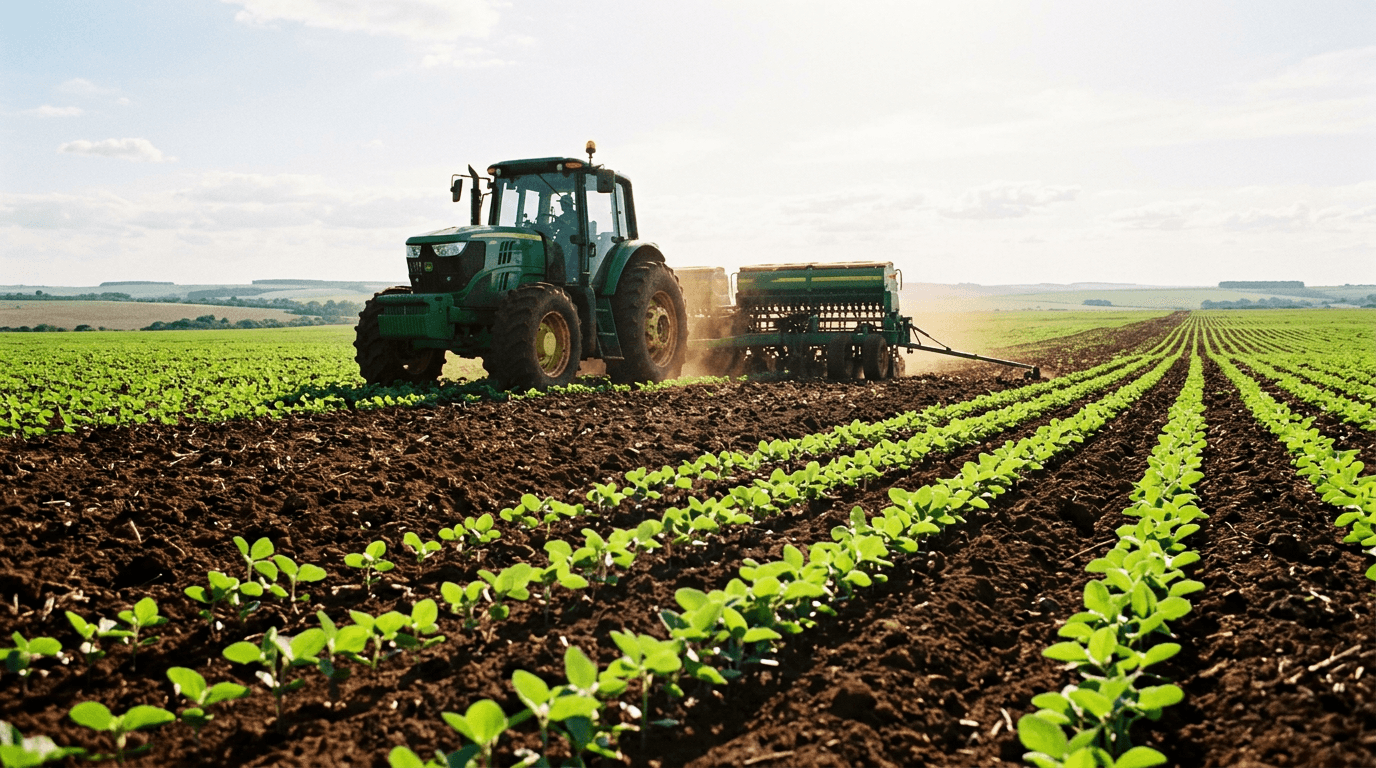
The real pressure on these bullish US positions is building thousands of miles to the south. Brazil, the world's largest exporter of soybeans, is currently in the middle of its crucial planting season. Local agricultural consultancy AgRural reported that Brazilian soybean planting had reached 40% completion as of late October 2026, running ahead of the five-year historical average of 36%. A swift, successful planting window in South America typically signals a massive harvest early next year, which historically caps the upside potential for US crop prices.
Compounding this supply outlook is the political and macroeconomic landscape in Brazil. Following the country's October 25, 2026 presidential runoff election—where incumbent Luiz Inácio Lula da Silva secured an unprecedented fourth non-consecutive term by defeating Senator Flávio Bolsonaro—the Brazilian real experienced a sharp depreciation. According to market data compiled by Barron's, the real fell roughly 7% against the US dollar during the post-election trading session on October 26, 2026, as the dollar climbed to 5.406 reais. For global grain buyers, a weaker Brazilian currency is a powerful incentive: it makes Brazilian soybeans significantly cheaper in dollar terms compared to US-grown crops. This currency dynamic directly threatens the export demand that US traders rely on to sustain high prices.
Navigating the agricultural cycle
For international investors, the interplay between Chicago futures and Brazilian farm dynamics highlights the classic weather and currency risks of agricultural markets. While US export sales started the season strong—with accumulated soybean export commitments running 81% ahead of the previous year as of mid-October, according to the USDA Foreign Agricultural Service Grain Transportation Report published on October 22, 2026—the rapid progress of South American crops acts as a heavy counterweight.
Speculative positioning can unwind rapidly when physical market realities change. If favorable weather persists across Brazil's key farming states like Mato Grosso, the heavy net-long positions currently held by Chicago speculators may face further liquidation as the market prices in a bumper South American crop. However, this is only one possible scenario among many; unforeseen weather disruptions, sudden changes in Chinese import demand, or shifting trade policies could just as easily reverse this trend and support higher prices.
In your brokerage app
For retail investors, direct exposure to these agricultural dynamics is typically accessed through broad commodity-linked exchange-traded funds (ETFs) rather than individual equities. As an illustrative example only, and not as an endorsement or a recommendation to buy, sell, or hold any financial product, some investors track these trends via broad-based agricultural funds listed in New York. These funds hold diversified portfolios of agricultural futures contracts, including Chicago soybeans, which makes their net asset values sensitive to global harvest volumes and currency fluctuations without exposing investors to the operational risks of a single farming company.