
Why Brazil Utilities Bracing for Flávio Rally on Election Day
Brazil's highly leveraged utility and water companies could see a sharp boost as investors bet on a drop in long-term interest rates if Flávio Bolsonaro wins.
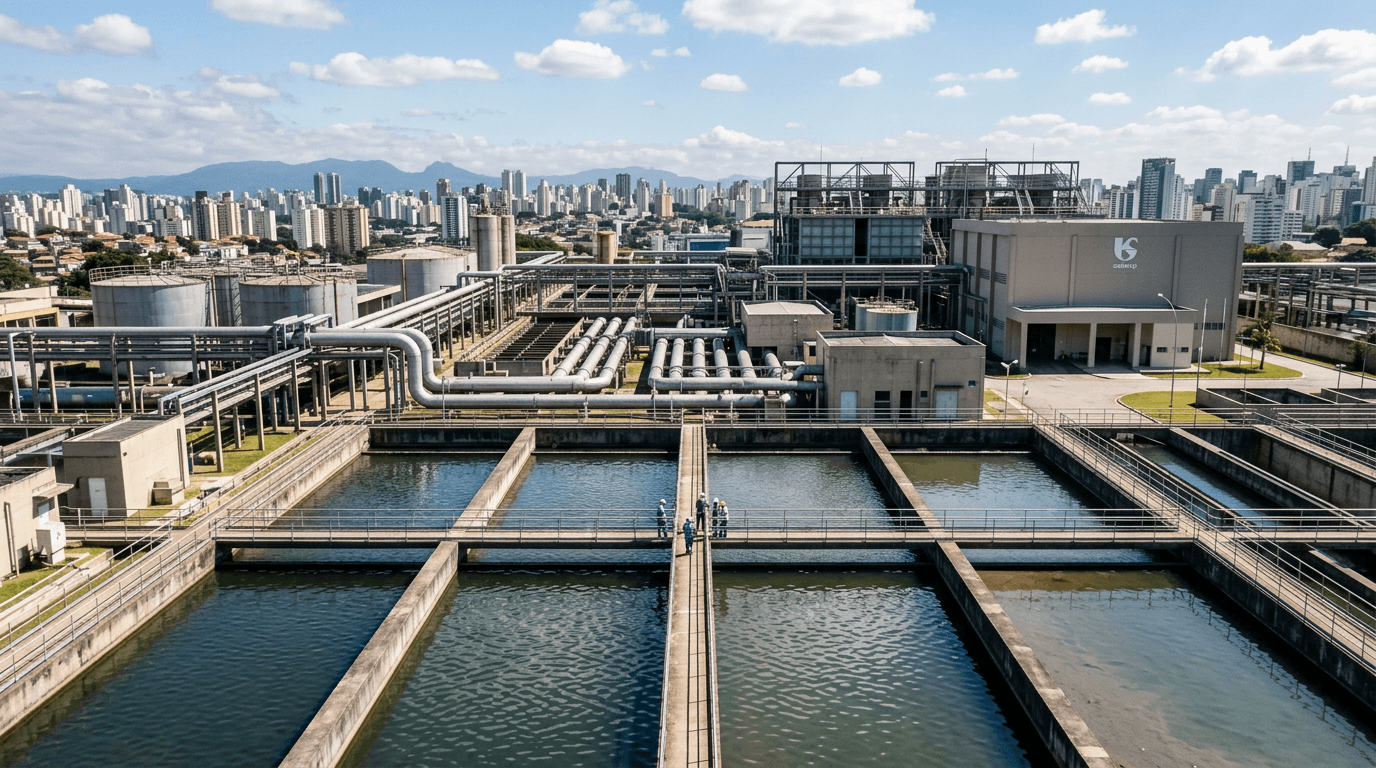
As Brazil prepares for the first round of its highly anticipated presidential election, international investors and local markets are positioning for a potential political shift that could reshape the country's infrastructure landscape. The focus is not on a radical overhaul of sector regulations, but on a macroeconomic relief valve. A potential victory by conservative opposition candidate Flávio Bolsonaro is fueling expectations of a "Flávio Rally," particularly within the capital-intensive electricity and water sectors.
For foreign observers, the mechanism driving this market sentiment is tied directly to Brazil's long-term interest rates. Flávio Bolsonaro, a federal senator and the eldest son of former right-wing President Jair Bolsonaro, represents the conservative opposition challenging the incumbent administration of Luiz Inácio Lula da Silva. According to an analysis by the Brazil Journal, market participants anticipate that an opposition victory would signal a more aggressive fiscal adjustment. This perceived commitment to fiscal discipline is projected to compress long-term interest rates, providing immediate relief to heavily indebted companies.
In Brazil, utility and sanitation operations are structured around long-term public concessions that require massive upfront capital expenditures (capex) to build, expand, and maintain networks. Because these companies carry substantial debt to fund their multi-decade projects, their valuations are highly sensitive to fluctuations in long-term interest rates. While industry executives do not expect any disruption to upcoming concession auctions or sector-specific regulatory frameworks regardless of who wins the presidency, the financial math changes dramatically under different interest rate scenarios.
Analysts point out that the primary beneficiaries of this electoral tailwind would be major power distributors, private water concessionaires, and leveraged renewable energy generators. Lower long-term rates directly reduce the cost of capital, making future investments cheaper and immediately boosting the present value of these companies' long-term cash flows. Conversely, if the election results signal continued fiscal expansion, long-term interest rates could remain elevated, keeping the pressure on these capital-intensive operations.
What it touches
The assets most exposed to this electoral outcome include major power distributors and water companies traded on the São Paulo stock exchange (B3). Analysts highlight power distributors Equatorial Energia (EQTL3) and Energisa (ENGI11), newly privatized São Paulo water utility Sabesp (SBSP3), transmission operator Alupar (ALUP11), and renewable energy generator Auren Energia (AURE3) as the key vehicles sensitive to these long-term rate movements. For US-based investors, these companies are accessible through American Depositary Receipts (ADRs) or direct local listings.