
Why Brazil's tight presidential race is sparking a 'Flávio rally'
A dead heat between Lula and Flávio Bolsonaro ahead of the first-round vote has investors pricing in deregulation and fiscal relief for utility stocks.
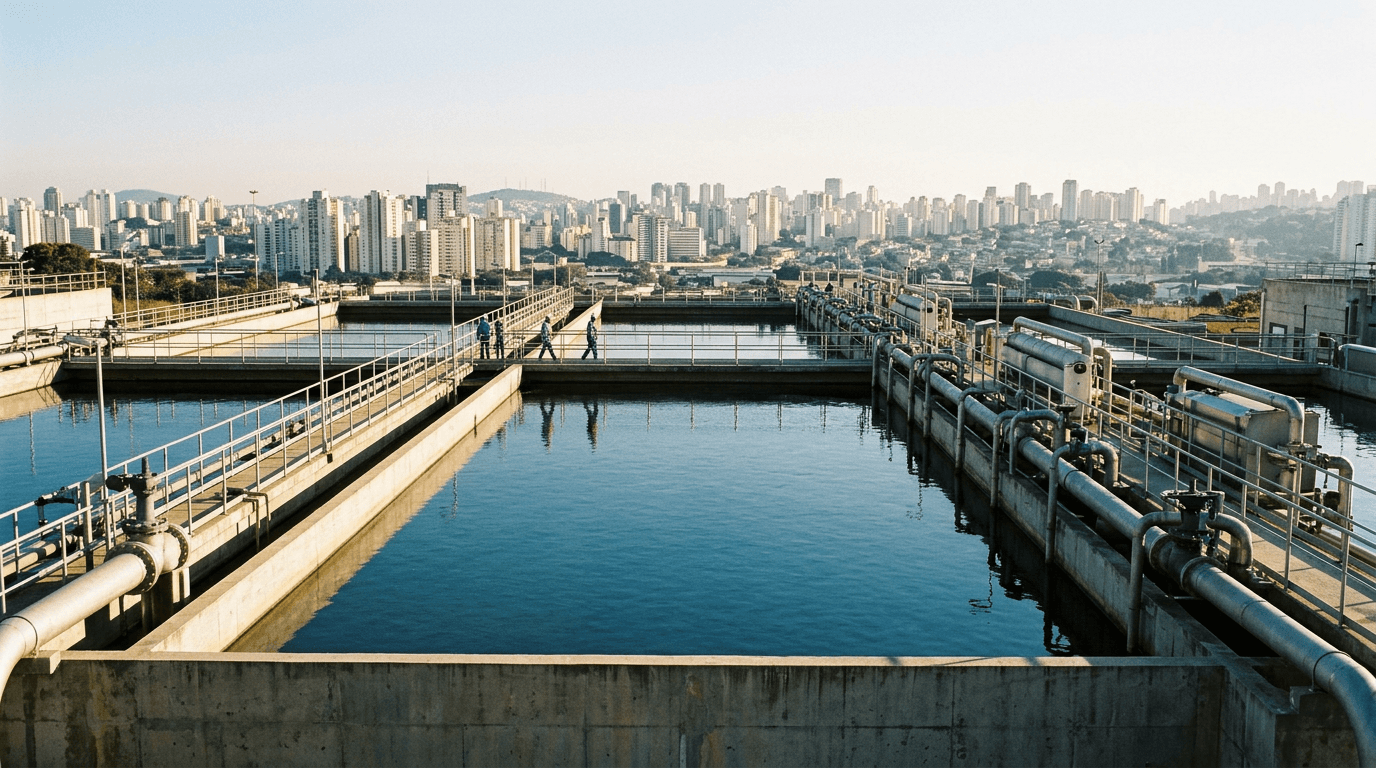
A razor-thin margin in Brazil’s presidential race is sending ripples through the country's business landscape on the eve of the first-round vote. A late-stage Quaest poll released on October 3, 2026, shows right-wing challenger Flávio Bolsonaro leading incumbent President Luiz Inácio Lula da Silva 44% to 42% in a simulated second-round runoff. The statistical tie has prompted market analysts to identify a potential "Flávio rally" for private and partially privatized utility companies, which stand to benefit from a more market-friendly regulatory stance and reduced state intervention.
For foreign observers, the tight race highlights the high political risk premium currently embedded in Brazilian equities, particularly in heavily regulated sectors like energy and water sanitation. Flávio Bolsonaro, a federal senator and the eldest son of former President Jair Bolsonaro, represents a platform of deregulation, privatization, and fiscal conservatism. In contrast, President Lula’s administration has historically favored a stronger role for state-owned enterprises and has occasionally challenged past privatizations, creating a stark division in how investors view the regulatory future of the country's infrastructure.
The mechanism driving this market sentiment is closely tied to long-term interest rates. Utilities are highly capital-intensive businesses that rely heavily on debt to fund massive infrastructure projects, such as water treatment plants and power transmission lines. According to analysts speaking to the Brazil Journal, a strong showing by the right-wing opposition signals a commitment to stricter fiscal discipline, which would likely drive down Brazil's long-term interest rates. Lower rates directly reduce financing costs for these heavily leveraged firms, immediately boosting their projected valuations.
While the immediate market reaction focuses on financial metrics, the electoral outcome will shape the daily lives of millions of Brazilians. The country is in the midst of a massive transition in its basic sanitation sector, driven by a landmark 2020 regulatory framework that mandates universal access to clean water and sewage treatment by 2033. A Bolsonaro victory is expected to accelerate private concessions and state-level privatizations, while a second Lula term would likely emphasize public-sector financing and municipal-led water services.
With the first-round vote taking place on October 4, 2026, the ultimate direction of Brazil's regulatory policy remains highly uncertain. If neither candidate secures an absolute majority, the country will head to a definitive second-round runoff on October 25, 2026. Until then, the tight polling numbers guarantee that political volatility will remain the primary driver for domestic assets.
What it touches
The shifting political winds directly expose major Brazilian utility operators traded both locally and abroad. Investors are closely watching power generator Eletrobras (ELET3), water utility Sabesp (SBSP3), and regional utility Copel (CPLE6), all of which have undergone recent privatizations or corporate restructurings that could face either regulatory consolidation under a Bolsonaro administration or renewed political scrutiny under a continued Lula presidency.