This Independent Oil Driller Just Beat Crude Volatility With $7.90 Costs
Brazilian independent producer Prio reports a 468% jump in Q3 2026 net profit to $521 million, insulated by a massive 55% reduction in offshore lifting costs.
Global crude price volatility is forcing international energy investors to look closely at which producers can actually survive a downturn. While major oil conglomerates struggle with rising overheads, a key player in South America is proving that aggressive cost-cutting can insulate equity margins even when commodity markets fluctuate.
Brazilian independent oil and gas producer Prio reported a net profit of US$ 521 million for the third quarter of 2026, according to its November 4, 2026 earnings release. This represents a massive 468% increase compared to the US$ 91.6 million net profit reported in the third quarter of 2025. The surge was primarily driven by a 55% reduction in lifting costs, which fell to an industry-leading US$ 7.9 per barrel, down from the previous year's levels.
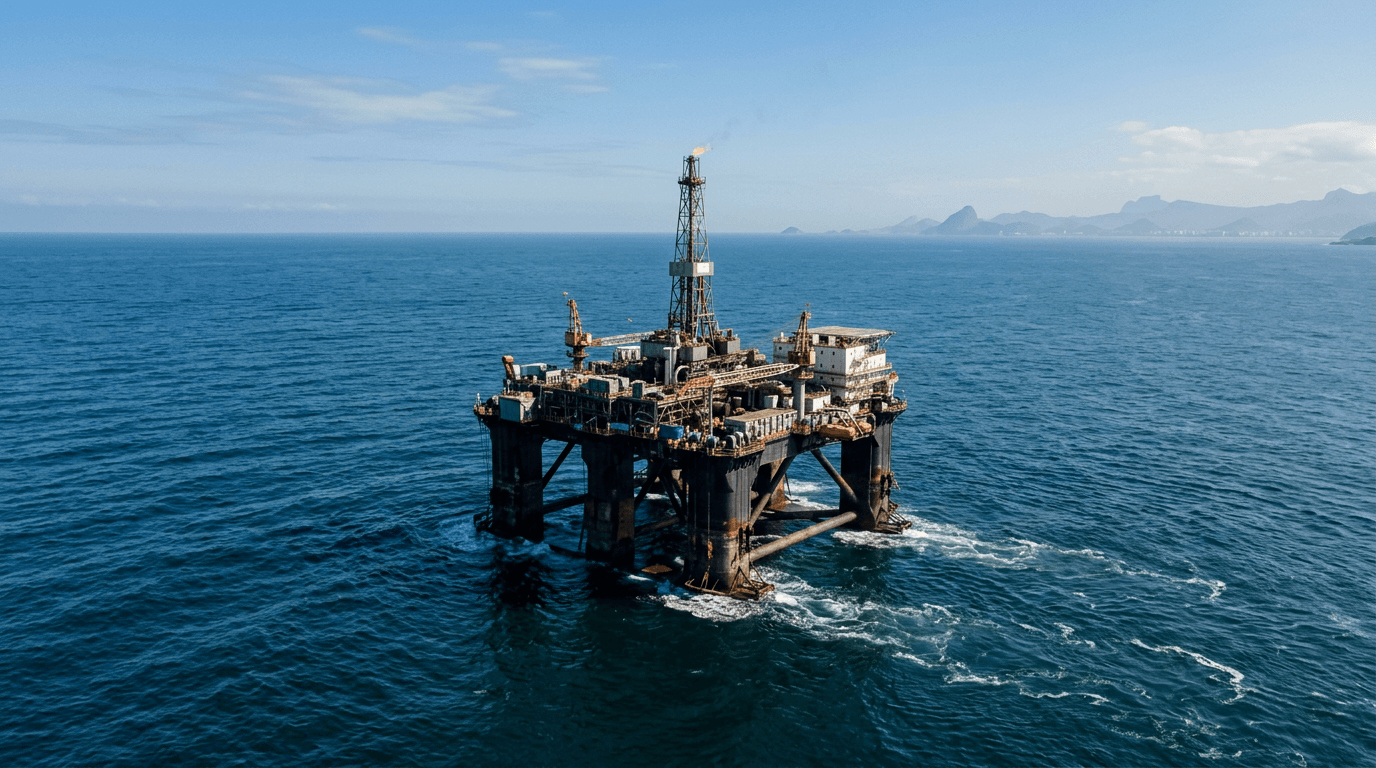
Prio, formerly known as PetroRio, operates as an independent driller specializing in buying mature offshore fields from state-controlled giant Petrobras and squeezing out operational efficiencies. The company's average production reached a record 191.6 thousand barrels per day in the third quarter of 2026. This operational expansion was heavily supported by its consolidated operations at the offshore Peregrino and Wahoo fields in Brazil's Campos Basin, a prolific deepwater region northeast of Rio de Janeiro.
Slashing Infrastructure Costs Deep Offshore
The dramatic drop in extraction expenses stems from a highly technical transition in how Prio powers its offshore platforms. At the Peregrino field, where Prio completed the acquisition of an additional 40% stake from Equinor, the company successfully repaired a key gas pipeline. This allowed the offshore platforms to switch their primary power generation source from expensive, imported diesel fuel to domestic natural gas.
This operational pivot, combined with the integration of the newly online Wahoo field, allowed the company to scale up daily output while diluting fixed logistics and maintenance costs. Net revenue for the third quarter of 2026 reached US$ 1.37 billion, a 146% increase from the same period in 2025, according to the company's official filing with the Brazilian Securities and Exchange Commission (CVM).
Navigating Regulatory and Export Headwinds
While Prio has successfully optimized its cost structure, it operates in a highly regulated environment where political risk remains a key factor for foreign capital. Independent oil and gas producers in Brazil have previously faced temporary export taxes on crude, a policy mechanism the federal government has used to balance fiscal budgets.
Additionally, because Prio focuses entirely on offshore extraction, its future growth depends on receiving timely environmental licenses from IBAMA, Brazil's federal environmental agency, to drill new tieback wells. Despite these structural constraints, the company's rapid deleveraging brought its financial leverage down to 1.1 times net debt to adjusted EBITDA in the third quarter of 2026, down from 1.5 times in the previous quarter, giving it a robust balance sheet to absorb regulatory shifts.
In your brokerage app
For retail investors tracking independent global oil and gas producers, Prio is listed on the Brazilian B3 exchange under the ticker PRIO3. While Prio does not maintain a direct, liquid listing on New York exchanges, its equity is a prominent holding in broad Latin American market funds. Investors can gain exposure to Prio through the iShares MSCI Brazil ETF, a US-listed exchange-traded fund that tracks the broader Brazil stock market.