
Sticky Long-Term Inflation Keeps Selic Rate Anchored at 14% on Focus Report
Market-projected 2026 Selic rate held at 14% for the fourth week, as high long-term inflation expectations persist despite a marginal 2026 IPCA drop.
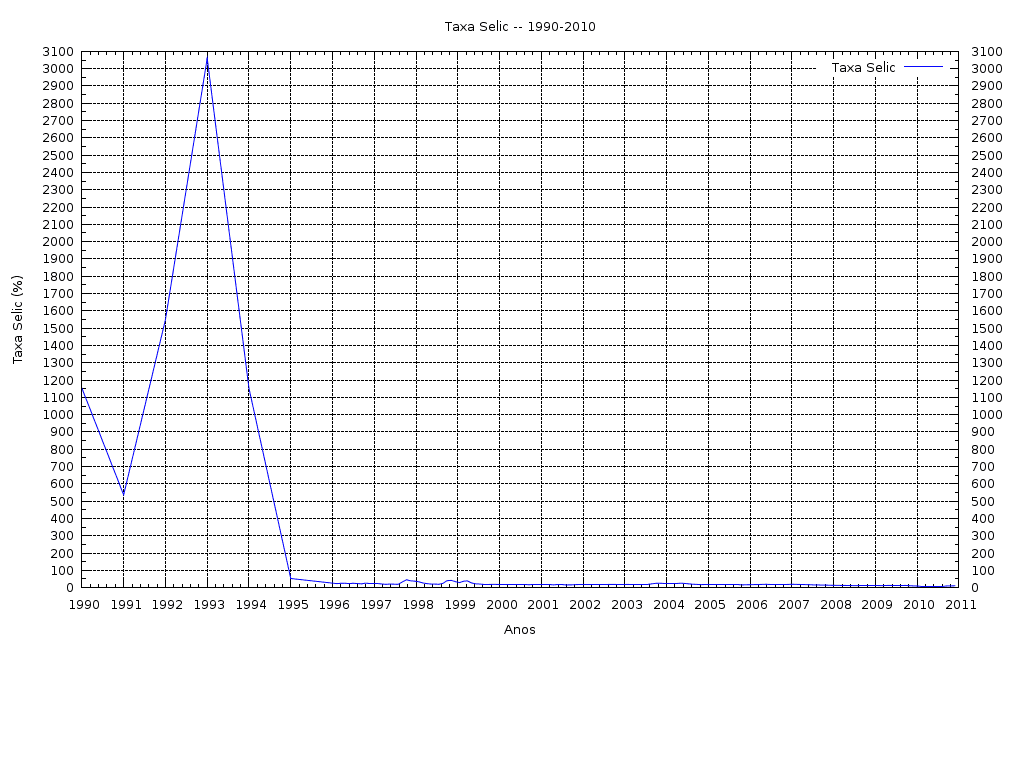
Market expectations for Brazil's key Selic interest rate remained fixed at 14.00% through the end of 2026 for the fourth consecutive week, according to the latest Focus Report from the Central Bank. This stability in the market’s long-term interest rate outlook persists despite a third consecutive weekly reduction in the median inflation forecast for 2026, which now sits at 5.15%. The data reinforces the consensus that the Central Bank of Brazil (BCB) will maintain a high-interest-rate environment for the foreseeable future to fight entrenched inflation expectations.
The mechanism behind the BCB’s cautious approach lies in the persistent projections for the medium and long term, which remain well above the target ceiling of 4.5%. While the 2026 IPCA forecast—the country's official inflation measure—improved slightly from 5.16% to 5.15%, projections for 2027 and 2028 held steady at 4.20% and 3.78%, respectively. These distant forecasts, which are above the 3.0% central target and its tolerance band, signal that market participants do not yet believe the current monetary policy is sufficient to bring inflation fully back to the target horizon. The Selic rate is currently at 14.25%, meaning the 14.00% year-end projection signals only a small, slow start to a potential rate-cutting cycle in late 2026.
The continued clarity on a "higher for longer" Selic rate contributed to a broad decline in Brazilian equities on Monday, with the benchmark Ibovespa index (IBOV) falling 1.52% to 174,041.95. Higher borrowing costs weigh heavily on corporate earnings and economic growth, particularly in sectors sensitive to credit. Major B3 stocks retreated, including state-run oil producer Petrobras (PETR4), which fell 1.72% to R$42.21, and financial stocks like Itaú Unibanco (ITUB4), which dropped 1.08% to R$42.10. Mining giant Vale (VALE3) saw a smaller decline of 0.58% to R$75.24, partially sheltered by its foreign currency-denominated commodity sales.
For investors following the Brazilian market, the key data to watch next will be the Central Bank's minutes following the most recent Monetary Policy Committee (Copom) meeting. These minutes will provide color on the committee's specific assessment of these long-term inflation expectations and whether the current Selic rate level is considered adequate to anchor them closer to the target. A continued failure for the 2027 and 2028 IPCA forecasts to trend downward in upcoming Focus Reports will almost certainly postpone any further discussion of meaningful rate cuts, continuing to suppress credit-sensitive sectors within the Brazil stock market and the broader Brazil ETF landscape.
Related coverage
Markets · PRO
Brazil Finance Ministry Cuts 2026 GDP Forecast to 2.0% on Drag From High Selic Rate
Published
Markets
Brazil's Election Divide Crystallizes Over Fiscal Rules, Lula Rejects PIX Privatization
Published
Markets · PRO
Petrobras to Drill Three More Equatorial Margin Wells After Securing IBAMA Approval
Published