
Brazil's Election Divide Crystallizes Over Fiscal Rules, Lula Rejects PIX Privatization
The Brazilian presidential election battle centers on opposing fiscal visions as Lula pushes spending rules and rejects privatization of the successful PIX payment system.
The central battle for Brazil’s economic future crystallized today around starkly opposing visions for the country's public finances and the role of the state, fueled by a high-stakes presidential election campaign. The core political divide hinges on President Luiz Inácio Lula da Silva’s flexible fiscal framework and a hardline debt-linked alternative proposed by his chief challenger.
The clash came into sharp relief as the government of President Lula maneuvered to project a primary budget surplus for 2026, a move his opponents charge is based on creative accounting ahead of the October vote. The debate pits Lula’s current fiscal framework, which allows for some real-term spending growth tied to revenue increases, against a "debt-ceiling alternative" championed by Senator Flavio Bolsonaro, the son of former President Jair Bolsonaro and the leading right-wing challenger. Bolsonaro's proposal would tie spending directly to the public debt-to-GDP ratio, which recently climbed to 81.9%, triggering a real-term spending freeze if the debt level is too high.
The government’s forecast shift was immediately met with skepticism, following earlier reports of the administration excluding tens of billions of reais in expenditures, such as fuel relief, from its fiscal rule calculation—spending timed for the election year. This highly technical fiscal dispute has become a headline-level campaign issue, as both sides argue their approach is the only credible path to long-term economic stability in a country already grappling with a high public debt burden.
In a parallel assertion of state control over the digital economy, President Lula used his platform at the United Nations General Assembly to reject the privatization of PIX, Brazil's highly successful instant payment system, and to rail against what he termed "digital neoliberalism." He vowed that Brazil would not yield to "multinational pressures" to privatize the system, which is run by the Central Bank and has become a vital tool for financial inclusion for millions of Brazilians.
Lula linked this defense of public digital infrastructure to a broader critique of the global order, demanding sovereign control over resources and global governance for Artificial Intelligence and Big Tech. This nationalistic stance on technology comes as the government concurrently pushes to modernize the sector, targeting R$2 trillion in AI and Cloud spending over the next decade through tax incentives and other programs.
Meanwhile, the economic reality on the ground is being shaped by both state action and the environment. São Paulo Governor Tarcísio de Freitas, a key figure in the right-wing opposition, reinforced a pro-market, infrastructure-focused message, committing the recently privatized water utility Sabesp to a massive R$70 billion investment by 2029 to achieve universal water and sanitation coverage across the state.
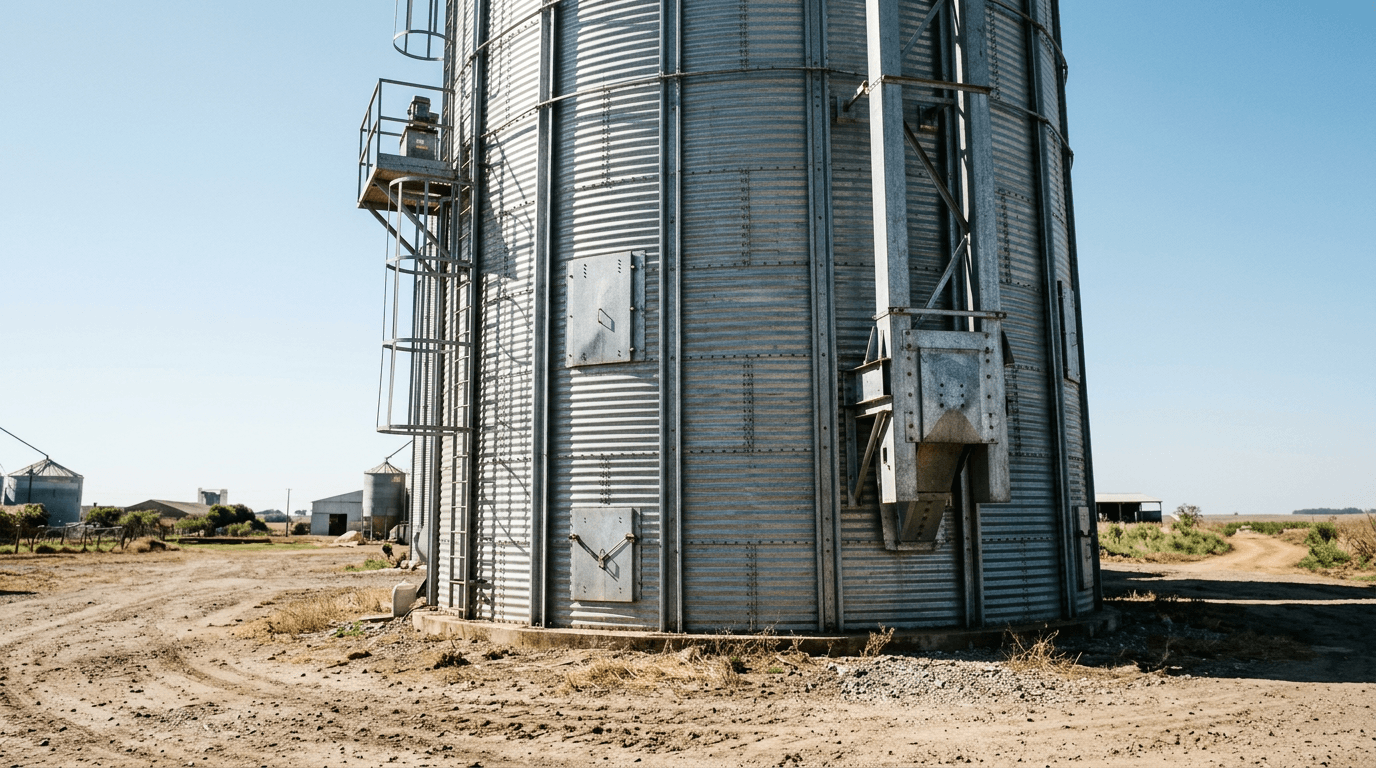
However, the vast agricultural sector, a cornerstone of the Brazilian economy, faces looming risk as an intense El Niño weather pattern threatens the start of the 2026/27 soybean crop with dry spells and temperatures potentially reaching 40°C in key regions. The tightening economic picture for the agricultural sector is already manifesting in the capital goods market. XP Investimentos cut its profit estimates for Kepler Weber, a major producer of grain storage and post-harvest equipment, citing a prolonged agricultural downcycle driven by tightened farm profitability and restrictive rural credit conditions.
What it touches
The fiscal and agro-economic news directly impacts listed assets. The debate over the fiscal rule keeps investors jittery, as any successful effort to undermine the spending guardrails could weaken the Brazilian real and government bonds. Conversely, the high-stakes election fight and the central banker’s defense of PIX add to political uncertainty. The pressure on the agro-industrial supply chain, as highlighted by XP Investimentos' cut to Kepler Weber estimates, shows the ripple effect of poor farm profitability. The nascent critical minerals sector, particularly lithium producers, continues to draw attention, reflecting Brazil's growing role in the global energy transition.
Related coverage
Markets · PRO
Brazil Finance Ministry Cuts 2026 GDP Forecast to 2.0% on Drag From High Selic Rate
Published
Markets · PRO
Petrobras to Drill Three More Equatorial Margin Wells After Securing IBAMA Approval
Published
Markets
Speculators Scale Back Bullish Bets on Soybeans as Brazil Prepares for New Planting Season
Published