
Speculators Scale Back Bullish Bets on Soybeans as Brazil Prepares for New Planting Season
Non-commercial traders held a net-long position of 261,183 contracts in Chicago soybean futures on Sept. 15, a sign of reduced optimism.
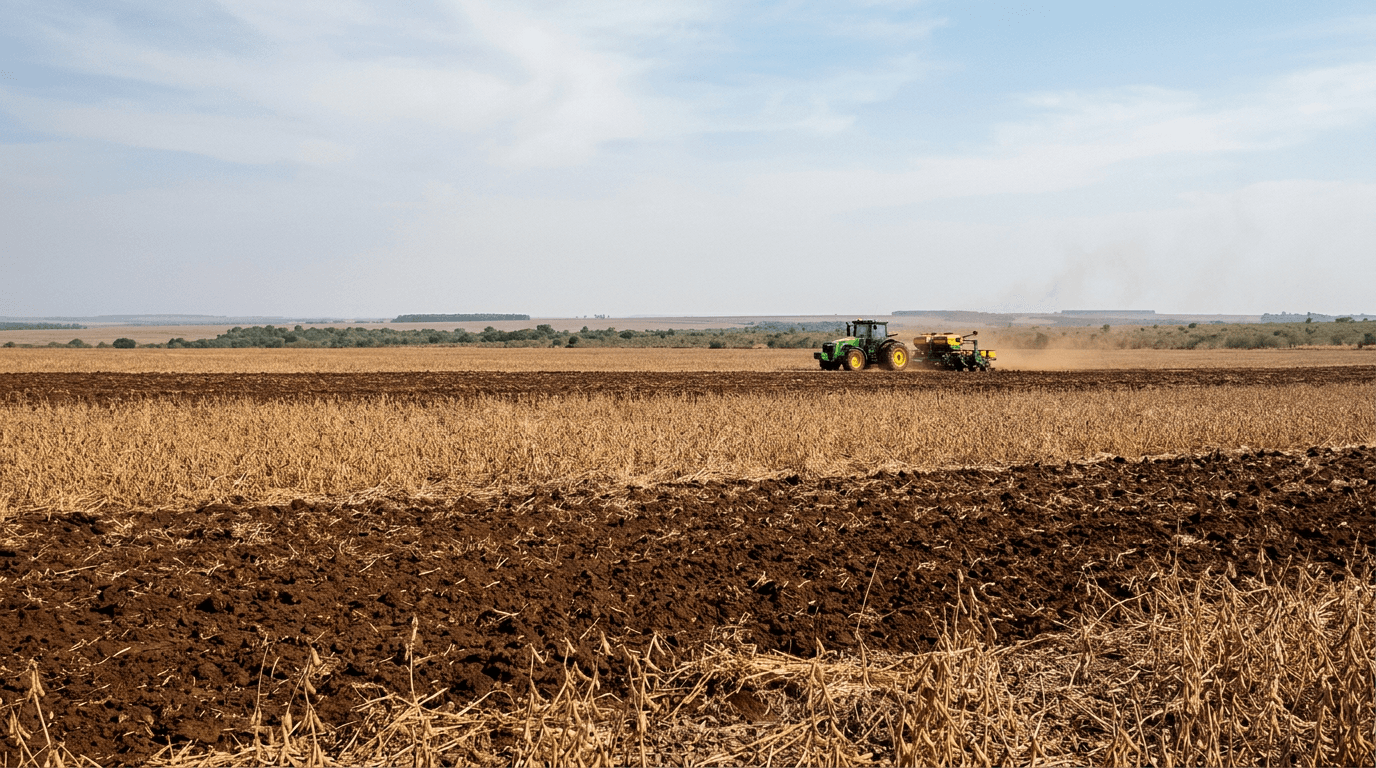
Large speculative funds reduced their bullish bets on soybean futures traded in Chicago, according to the latest Commitments of Traders (COT) report released by the U.S. Commodity Futures Trading Commission (CFTC) for the week ending September 15, 2026. The data showed that non-commercial traders held a net-long position of 261,183 contracts, a reduction in the collective bullish exposure compared to the previous week.
The net-long figure represents the difference between the 356,583 long contracts and the 95,400 short contracts held by speculators, like hedge funds and institutional money managers, who are generally betting on the direction of price movements rather than hedging a physical crop. While the trades occur on the Chicago Board of Trade (CBOT) in the United States, the speculative positioning remains a key gauge for price risk across the global market, including for Brazil’s massive agribusiness sector.
The reduced optimism in Chicago comes despite the strength of the Brazilian supply line. Brazil, the world’s largest soybean producer, is forecast to achieve another record crop in the 2026 marketing year, with production exceeding 180 million tonnes and exports expected to surpass 115 million tonnes. This flood of supply is largely absorbed by China, which continues to prefer Brazilian soybeans for import.
For Brazilian farmers and exporters, the CBOT positioning helps establish the base price for their physical sales. Speculative long positions help keep a firm floor under global prices, meaning any reduction in that long positioning introduces a degree of caution into the market at a time when Brazilian producers are moving their remaining inventories and beginning to plan for the new planting season. Total open interest for the Chicago soybean contract stood at 1,104,880 contracts on the observation date, indicating high overall engagement in the market.
The market's attention will now shift to the imminent start of the new soybean planting season in Brazil, where farmers will gauge price levels and input costs against the risk of weather-related issues, such as those caused by the El Niño pattern that can affect the country’s yield prospects. The speculative sentiment in Chicago will continue to serve as a vital signal for market sentiment ahead of the crucial planting period.
What it touches
The pricing mechanism for soybeans directly affects Brazil’s agricultural supply chain, which is a key driver of the national economy. This includes massive exporters like the protein giant JBS, which requires significant amounts of soybean meal for animal feed, and farmland investors like Adecoagro (AGRO). The overall health of Brazil’s agribusiness sector is tied to the price stability of its largest export commodity.
Related coverage
Markets · PRO
Brazil Finance Ministry Cuts 2026 GDP Forecast to 2.0% on Drag From High Selic Rate
Published
Markets
Brazil's Election Divide Crystallizes Over Fiscal Rules, Lula Rejects PIX Privatization
Published
Markets · PRO
Petrobras to Drill Three More Equatorial Margin Wells After Securing IBAMA Approval
Published