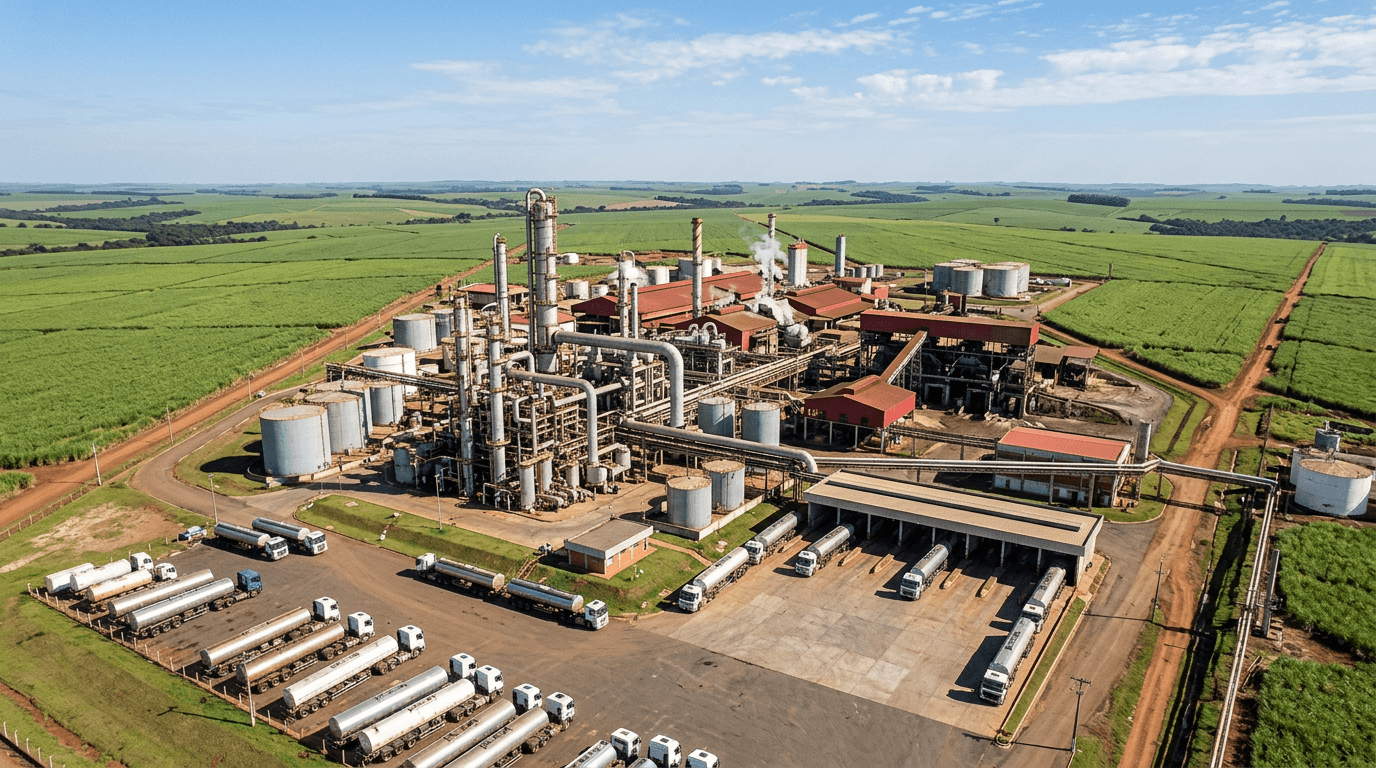
Soybean speculative positions remain net-long as global supply shifts
CFTC data from October 20, 2026 shows non-commercial traders holding a net-long position in CBOT soybeans as South American planting risks balance US harvest pressure.
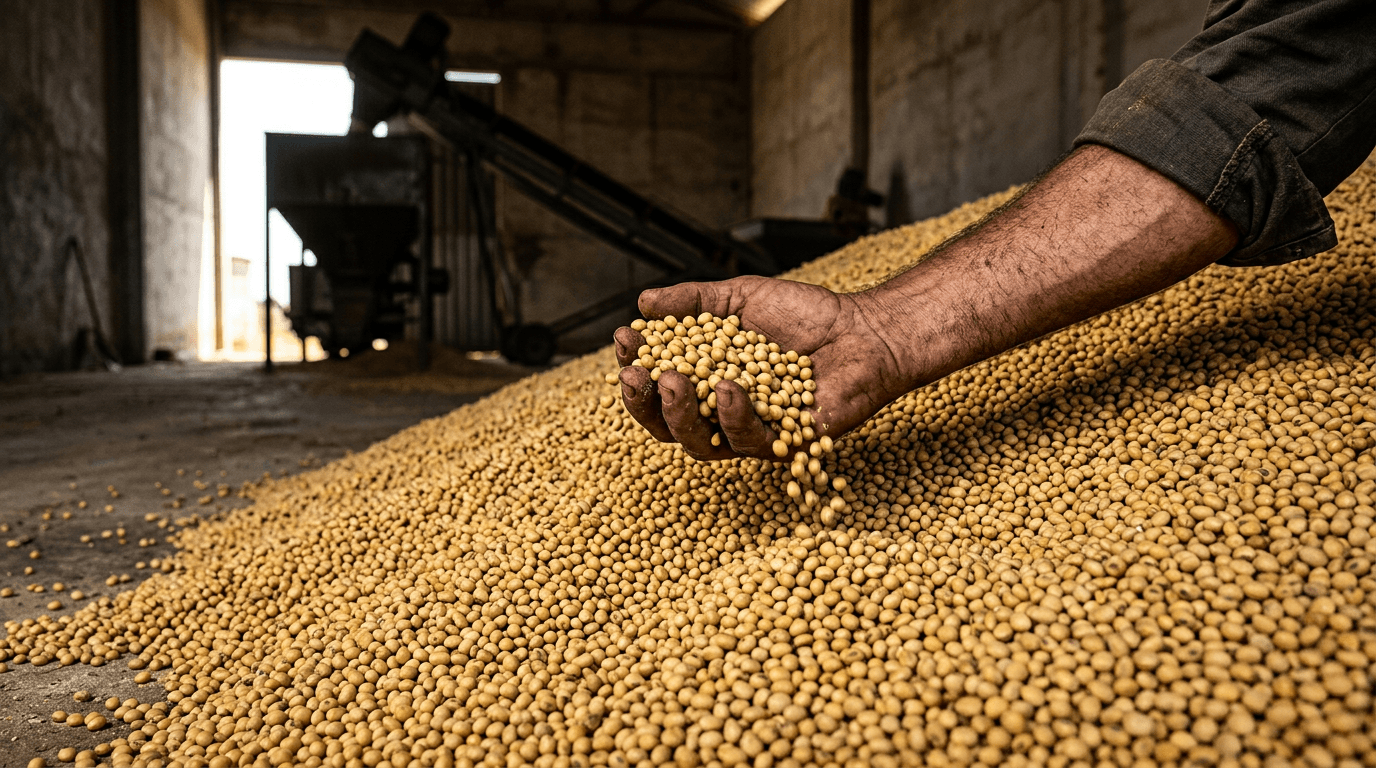
American retail investors tracking commodity-exposed portfolios are keeping a close eye on Chicago agricultural futures as global supply dynamics shift. According to the weekly Commitments of Traders report released by the U.S. Commodity Futures Trading Commission (CFTC), non-commercial speculative traders held 330,528 long contracts against 83,932 short contracts in Chicago Board of Trade (CBOT) soybeans (contract 005602) as of the October 20, 2026 observation date. This positioning represents a net-long stance of 246,596 contracts, set against a total market open interest of 1,093,612 contracts.
While these weekly positioning figures provide crucial context regarding institutional sentiment, they function as a retrospective snapshot rather than a direct price forecast. The net-long interest comes as global buyers balance steady U.S. export shipments with the early stages of the South American planting season. Brazil, the world's largest exporter of soybeans, heavily influences these Chicago benchmarks, meaning any shift in South American weather patterns or local logistics quickly reverberates through global grain markets.
The South American Supply Engine
For global agricultural markets, the health of the Brazilian crop is a critical variable for soybean pricing. Brazilian farmers have rapidly expanded their acreage over the last decade, turning the country into an agricultural superpower that dictates the marginal price of grain. Because local storage capacity in Brazil often lags behind its massive annual output, local producers are highly sensitive to international price swings and currency fluctuations, which can trigger rapid waves of hedging and physical selling.
This exposure to global agricultural trends is also shaped by domestic political dynamics. As Brazil prepares for its upcoming electoral cycle, market participants are closely watching for any regulatory shifts regarding agricultural export taxes, diesel subsidies, or infrastructure spending. Changes in transport rules or port concession frameworks can immediately alter the cost of moving grain from the interior state of Mato Grosso to the ports of Paranaguá and Santos, directly impacting the competitiveness of South American shipments relative to U.S. Gulf exports.
Market Instruments Tied to Soybean Futures
For investors tracking the agricultural sector, the pricing of global agribusiness firms is deeply tied to regional crop yields and global commodity benchmarks like those tracked by the CFTC. Broad-based agricultural exchange-traded funds also hold physical futures contracts that are directly influenced by these global supply and demand dynamics. Because these financial instruments track underlying CBOT futures, their market valuations reflect the ongoing balance between North American harvest volumes and South American weather developments.