Sabesp Net Income Drops 35.7% in Q3 2026 Following Privatization
Brazilian water utility Sabesp reported a 35.7% drop in third-quarter net income to R$ 1.39 billion as it navigates heavy restructuring costs.
American retail investors holding global utility funds or emerging-market infrastructure portfolios are seeing the near-term financial cost of turning a massive state-run monopoly into a private corporation. While the long-term promise of privatization is increased efficiency and higher margins, the immediate transition is proving to be an expensive, capital-intensive hurdle.
Companhia de Saneamento Básico do Estado de São Paulo, widely known as Sabesp, reported on November 5, 2026, that its net income for the third quarter of 2026 fell 35.7% year-over-year to R$ 1.39 billion. The sharp decline in profitability highlights the friction of its post-privatization restructuring, as rising operational expenses and debt service costs temporarily overshadow its steady revenue growth.
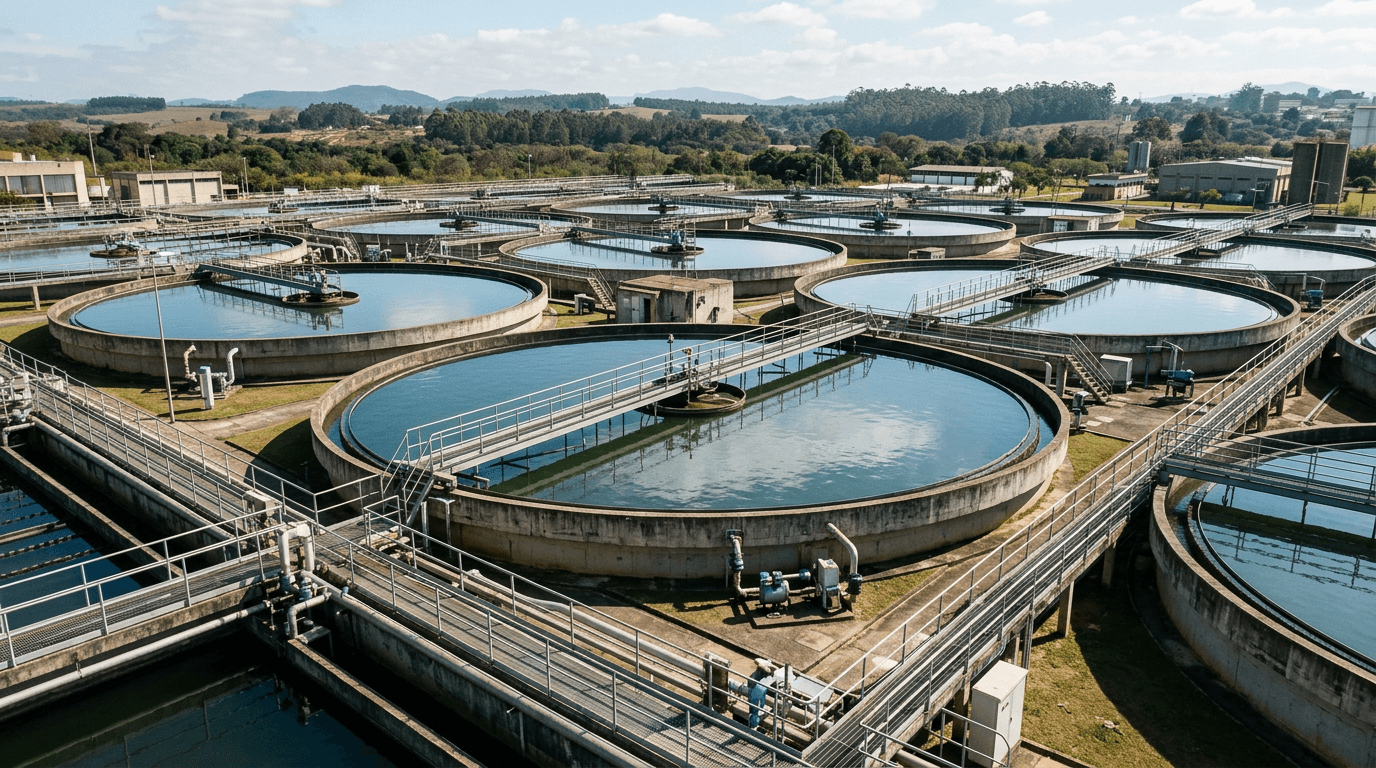
Sabesp is the water and waste management utility serving São Paulo, Brazil’s wealthiest and most populous state. The company was privatized in mid-2024 in a landmark transaction designed to accelerate investment toward universal water and sewage coverage. To meet these regulatory mandates, the company is executing an aggressive capital expenditure plan, targeting approximately R$ 20 billion in total investments for the full year of 2026.
Restructuring and Rising Debt Costs
The drop in net income is primarily driven by the financial weight of this rapid expansion. According to the company's financial disclosures, Sabesp has had to rely heavily on debt to fund its massive infrastructure backlog, which includes more than R$ 40 billion in contracted projects scheduled through 2029. This borrowing has driven up interest expenses, while the operational integration of new assets and voluntary severance packages for former public-sector employees have created a temporary drag on bottom-line margins.
Despite the profit squeeze, Sabesp’s core business remains highly defensive. Regulated water tariffs and organic customer additions in the São Paulo metropolitan area continue to provide a stable foundation of cash flow. For international investors, the central question is how quickly the newly private management team can trim legacy state-sector inefficiencies to offset the rising cost of its debt-financed buildout.
In your brokerage app
For retail investors, Sabesp is accessible directly on US exchanges. The company is traded as Companhia de Saneamento Básico do Estado de São Paulo - Sabesp, listed in New York. It is also a common holding in broad emerging-market utility exchange-traded funds (ETFs) and specialized global infrastructure funds.