
Institutional Conflict Over Supreme Court Justice Deepens Brazil’s 2026 Election Polarization
Brazil's presidential race is heating up as a Supreme Court scandal involving Justice Alexandre de Moraes fuels polarization ahead of the October election.
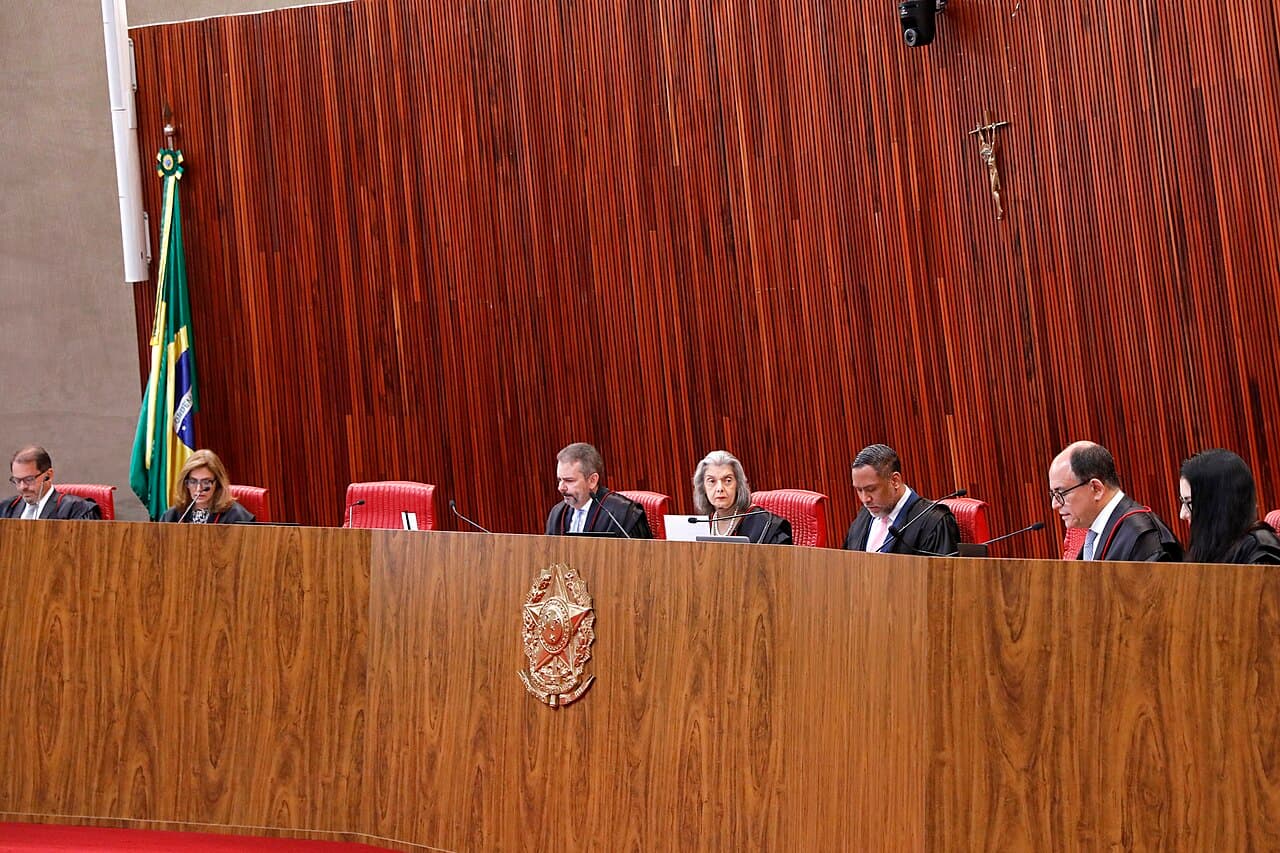
Brazil’s political field is increasingly defined by institutional conflict, creating a tense atmosphere for the country just weeks ahead of the October 4, 2026, general election. The crisis intensified as the Supreme Federal Court (STF) began examining unprecedented allegations against Justice Alexandre de Moraes, while a new poll showed the right-wing challenger drawing neck-and-neck with the incumbent President Luiz Inácio Lula da Silva.
The STF, Brazil’s highest constitutional court, is facing a political flashpoint after the release of federal police documents related to a highly-publicized judicial investigation. The documents sparked allegations that Justice de Moraes may have engaged in inappropriate conduct, placing the focus squarely on the court's institutional legitimacy. Justice de Moraes is known nationally for his prominent role in prosecuting the 2022–2023 coup plot that led to the conviction of former President Jair Bolsonaro.
The right-wing presidential candidate, Senator Flávio Bolsonaro—the former president's son—is capitalizing on the turmoil, seeking to tie the court’s crisis to the current administration. The presidential race is widely expected to head to a runoff on October 25, 2026, and the political stakes are rising as Senator Bolsonaro's campaign gains momentum, with recent polls showing a statistical tie with President Lula.
Fiscal and Economic Backdrop
In an attempt to appeal to fiscal conservatives and draw a contrast with the governing Workers' Party, Bolsonaro's economists are proposing a "Fiscal Shock" involving a debt-linked fiscal framework. The plan is aimed at freezing public spending growth should the national debt, which is currently above 80% of GDP, continue to rise.
Meanwhile, critical economic and structural issues require immediate attention. The widening gap between domestic and international fuel prices, with state-controlled Petrobras holding prices below import parity, is halting fuel imports and creating supply chain uncertainty for Brazilian agriculture as farmers prepare for the grain planting season. Furthermore, the government’s move to allow certified foreign cloud providers, including U.S. Big Tech firms, to host classified government data—provided the data remains physically housed in data centers within Brazil—signals a new attempt to balance market opportunity with the goal of "Digital Sovereignty."
The Central Bank of Brazil’s Monetary Policy Committee (Copom) is also set to meet next week, with the high-stakes political environment clouding the outlook. The benchmark Selic rate currently stands at 14.00% per year, following a 25-basis-point cut at Copom's August meeting. Analysts widely anticipate the Committee will deliver another 25-basis-point cut in its decision to be announced on September 16, 2026, taking the rate to 13.75%. While better-than-expected inflation data supports the move, the Central Bank maintains a cautious tone, signaling that high public spending continues to cloud the long-term outlook and inflation expectations remain unanchored.
The outcome of the Supreme Court's internal examination into Justice de Moraes's conduct is the most immediate event to watch. The hearing, which puts the court in the extraordinary position of examining one of its own members, could determine the political atmosphere for the final stretch of the election campaign.