
Lavvi Posts R$1.4B in Q2 Launches Following Q1 Pause
Brazilian developer Lavvi (LAVV3) reports R$1.41 billion in Q2 potential sales value, rebounding from zero launches in the previous quarter.
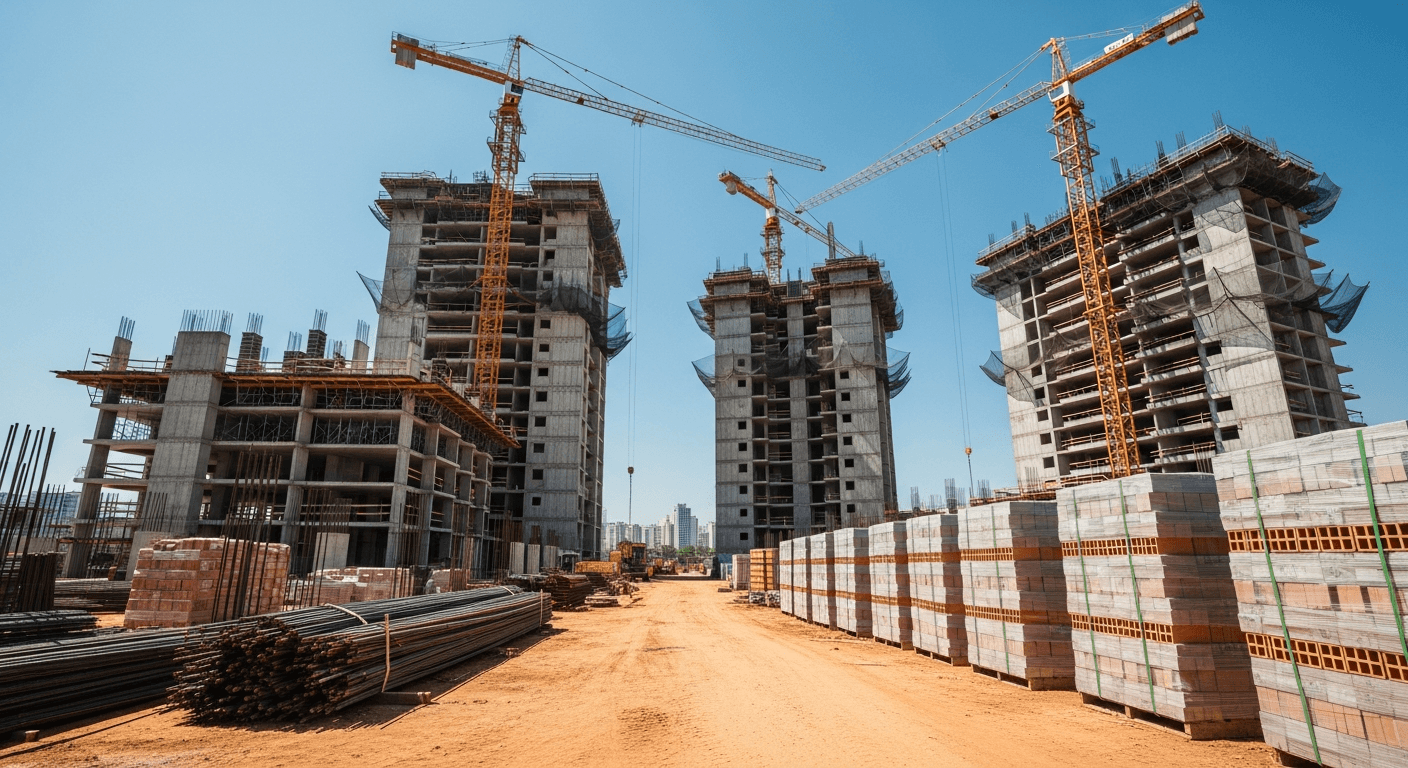
Brazilian homebuilder Lavvi (LAVV3) delivered a significant operational update for the second quarter of 2026, posting R$1.41 billion in total launched potential sales value (VGV). The figure represents an 8% increase compared to the same period last year. The surge was heavily driven by the highly anticipated launch of the first phase of "Jardim da Hípica," the largest real estate project in the developer’s history.
The strong operational update directly addresses investor concerns regarding a lack of new projects in the early part of the year. Lavvi's stock has fallen roughly 24% in 2026, pressured by a temporary operational gap in the first quarter when the company registered zero launches to focus entirely on preparing its Q2 pipeline. This steep year-to-date decline occurred as the developer concentrated its resources on bringing its massive new development to market.
Along with the robust launch figures, Lavvi reported a 12% year-over-year increase in net sales, which reached R$875 million in the second quarter. The company also maintained a solid consolidated sales-over-supply (VSO) rate of 22% for the period. The Jardim da Hípica development alone accounted for over 64% of the quarter’s total sales, signaling strong demand for the developer's high-end projects.
This operational rebound comes amid broader volatility in the Brazilian equity market. Today, the benchmark Ibovespa index (IBOV) closed down at 173,825.27 points (-1.24%). Blue-chip stocks also faced downward pressure, with Petrobras (PETR4) trading at 39.89 (-1.72%), Vale (VALE3) at 72.98 (-2.05%), and Itaú Unibanco (ITUB4) at 42.55 (-1.37%). Despite the macroeconomic headwinds, Lavvi's robust Q2 metrics provide a clear look at the developer's operational capacity as its project pipeline normalizes.
Related coverage
Markets · PRO
Brazil Finance Ministry Cuts 2026 GDP Forecast to 2.0% on Drag From High Selic Rate
Published
Markets
Brazil's Election Divide Crystallizes Over Fiscal Rules, Lula Rejects PIX Privatization
Published
Markets · PRO
Petrobras to Drill Three More Equatorial Margin Wells After Securing IBAMA Approval
Published