Global Funds Face Waiting Game as Brazil Postpones Fiscal Package
Brazil delays its highly anticipated fiscal reform package and cabinet appointments until mid-November, leaving global investors waiting for clarity.
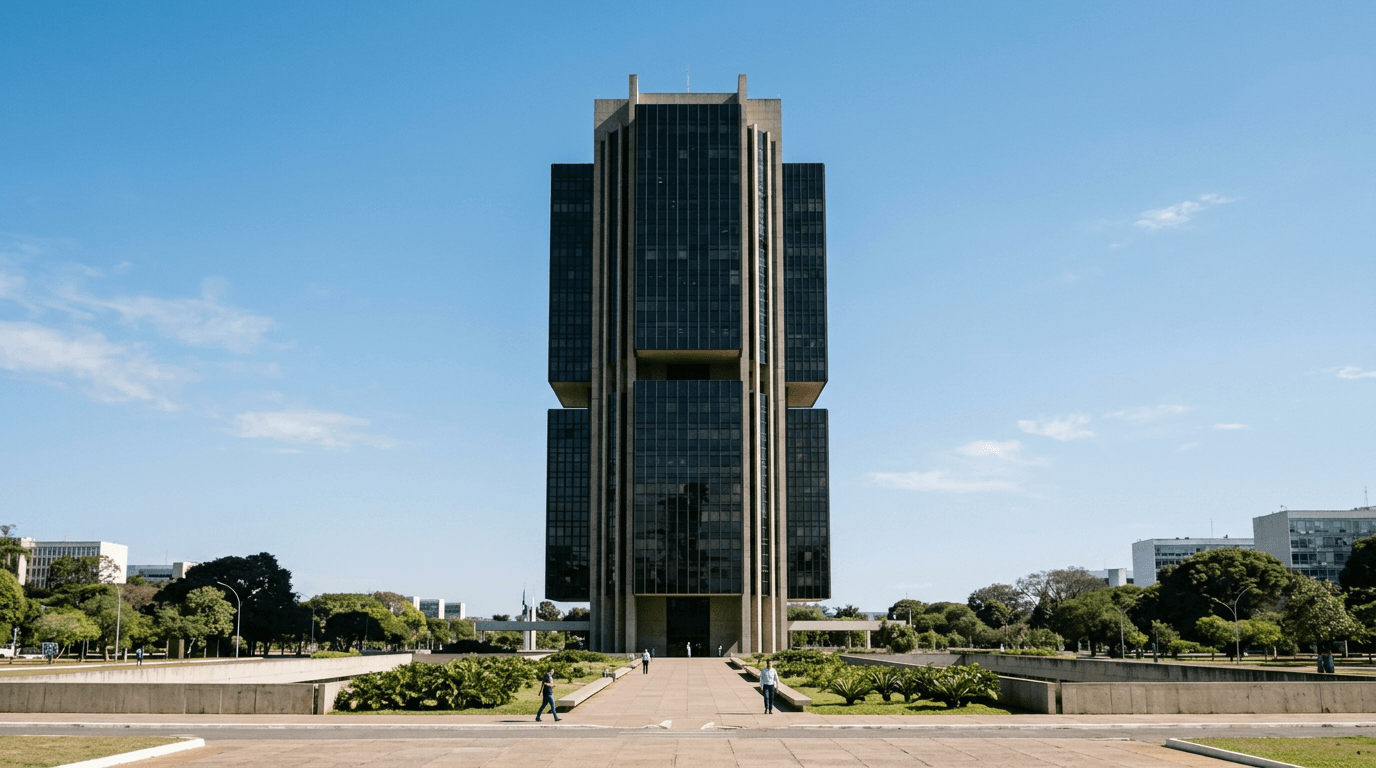
Global investors holding emerging market funds are facing prolonged uncertainty as they wait for clarity on Latin America's largest economy. Decisions on a highly anticipated package of budget cuts and the appointment of Brazil's next Finance Minister have been put on hold, leaving international markets without immediate answers on how the country plans to stabilize its rising public debt.
The delay comes directly from the top. Following his reelection on October 25, 2026, Brazilian President Luiz Inácio Lula da Silva has prioritized an intensive international diplomatic tour. The leftist leader is scheduled to travel to Antalya, Turkey, for the United Nations COP31 climate summit on November 11 and 12, 2026, before flying to Manila for the Association of Southeast Asian Nations (ASEAN) summit. Lula will only define his new cabinet and finalize the fiscal adjustments after he returns to Brazil on November 16, 2026.
The postponement has heightened anxiety on Wall Street, where investors are closely monitoring Brazil's deteriorating fiscal trajectory. On November 4, 2026, the Central Bank of Brazil kept its benchmark Selic interest rate at a high 13.75%—one of the highest real borrowing costs in the world—to combat rising inflation expectations. Economists argue that high interest rates will remain sticky unless the government delivers meaningful spending cuts to control a gross public debt that has reached 82.9% of gross domestic product (GDP) as of late 2026.
Acting Finance Minister Dario Durigan attempted to reassure anxious markets on November 5, 2026, following an economic planning meeting at the presidential palace. Durigan stated that while there is "no magic formula," the government remains committed to strengthening its existing fiscal framework. He confirmed that concrete proposals to improve public accounts will be presented to the president for a final decision only after his return from Asia.
The political stakes of these delayed decisions are high. The next Finance Minister will need to navigate a divided Congress to approve any structural spending cuts, balancing fiscal discipline against Lula's campaign promises of expanded social spending. For global asset managers, the mid-November announcements will serve as a critical test of whether Brazil can transition toward a sustainable fiscal path or if rising debt will continue to weigh down local assets.
In your brokerage app
For retail investors holding diversified emerging market assets, the delayed fiscal measures directly impact the iShares MSCI Brazil ETF, a prominent exchange-traded fund listed in New York that tracks the country's largest equities. The fund's performance remains highly sensitive to the Brazilian real, which fluctuates based on international confidence in the country's debt management and central bank policy.