
Fed Dissent and 18-Year US Yield High Pressure IBOV, Brazilian Rates
Ibovespa fell 1.52% as a rare three-member Fed dissent and a surge in the 30-year US Treasury yield signaled rising global term premium.
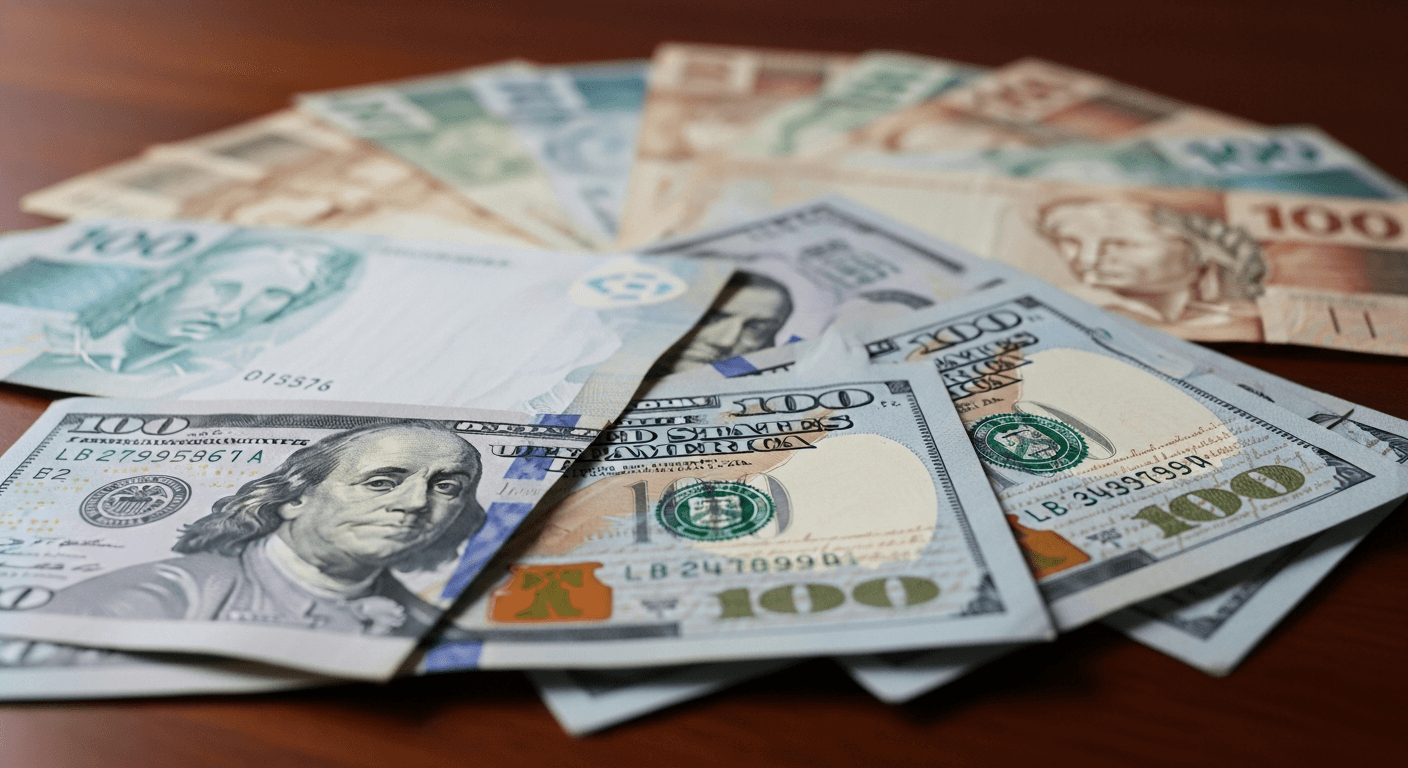
The Ibovespa, the benchmark for the Brazil stock market today, closed down 1.52% at 173,885.34 points on Thursday, as global risk assets sold off following hawkish signals from the U.S. Federal Reserve and a historic surge in U.S. Treasury yields. The local market reaction was driven by twin pressures from the U.S.: a rare triple dissent at the Federal Open Market Committee (FOMC) meeting and the climb of the long-dated 30-year US Treasury yield to its highest level since 2007, underscoring investor concern over long-term inflation.
Although the U.S. central bank held its key interest rate steady, three FOMC members broke ranks and voted for an immediate 25-basis-point hike, a rare split that indicated sharp internal division over the necessity of further tightening. This signal of growing hawkish sentiment was amplified by the bond market, where the 30-year yield surged to 5.244%. The jump steepens the yield curve and is widely interpreted as a loss of confidence in the Fed’s ability to control inflation over the long horizon, increasing the term premium—the extra compensation investors demand for holding longer-duration debt.
The global rise in the cost of capital immediately pressured Brazilian long-duration assets. Higher US rates increase the relative attractiveness of US fixed income, pulling capital away from emerging markets, including the Brazil ETF, EWZ. Locally, this mechanism translated into a jump in DI Futures, with contracts for future Selic rate hikes advancing as investors priced in tighter financial conditions imported from the U.S. On the B3, the banking sector was hit hardest, with Itaú Unibanco (ITUB4) closing down 2.43%. Though the resource-heavy stock mix offered some resistance, with Petrobras (PETR4) gaining 1.92% on higher oil prices, the day’s losses were broad, as major miner Vale (VALE3) shed 0.85%.
The immediate focus for investors following the Ibovespa's slide now shifts to upcoming U.S. economic data prints—particularly jobs and inflation reports—which will determine whether the "higher for longer" narrative underpinning the long-end Treasury selloff persists. With Fed Chair Kevin Warsh reducing forward guidance and emphasizing a data-dependent approach, the market will look for concrete evidence to confirm or deny the three dissenters' hawkish stance ahead of the next FOMC meeting scheduled for September. Continued pressure on the 30-year US Treasury yield will keep the USD BRL rate and local DI Futures highly sensitive to global liquidity shifts.
Related coverage
Markets · PRO
Brazil Finance Ministry Cuts 2026 GDP Forecast to 2.0% on Drag From High Selic Rate
Published
Markets
Brazil's Election Divide Crystallizes Over Fiscal Rules, Lula Rejects PIX Privatization
Published
Markets · PRO
Petrobras to Drill Three More Equatorial Margin Wells After Securing IBAMA Approval
Published