
Consumer Staples Giant M. Dias Branco Enters Frozen Bread Market
Brazil's leading pasta and biscuit maker M. Dias Branco acquired an 80% stake in Grespan Pães Congelados to diversify into the growing frozen bakery sector.
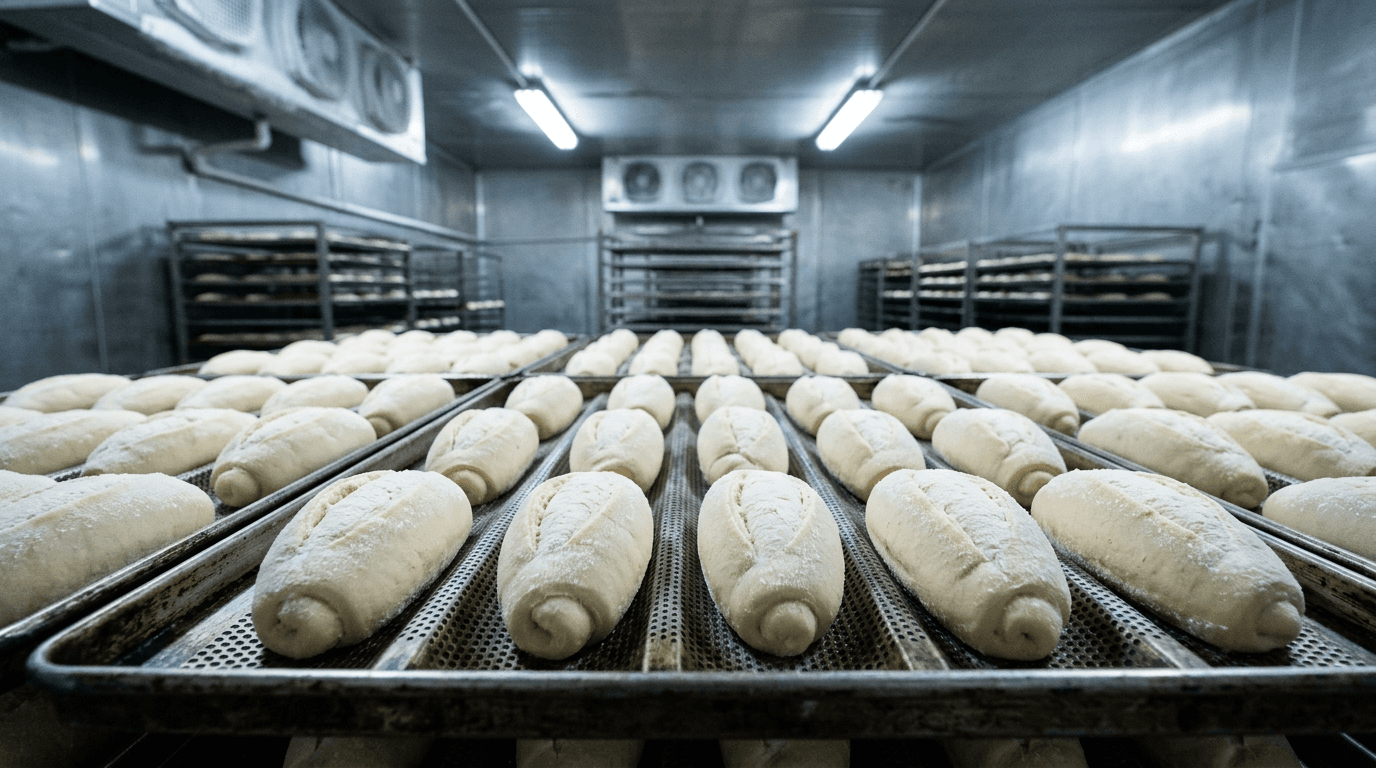
Global consumer staples companies are increasingly turning to value-added categories to protect their margins against volatile agricultural commodity prices. In Brazil, the country's dominant player in wheat-based foods is making a major move into the freezer aisle to capture a slice of a highly fragmented domestic baking market.
On October 16, 2026, Brazilian food giant M. Dias Branco announced it signed an agreement to acquire an 80% stake in Grespan Pães Congelados, a prominent regional manufacturer of frozen bread. The transaction, executed through M. Dias Branco's organic food subsidiary Jasmine Alimentos, includes an option to purchase the remaining 20% of the business within five years. The total acquisition price was not publicly disclosed.
Grespan, founded in 2009 in the state of São Paulo, generated R$ 138.7 million (approximately $27.2 million) in gross revenue in 2025. The company operates a specialized business model that supplies ready-to-bake frozen products, logistics, and baking equipment to more than 1,100 supermarkets, wholesalers, and bakeries across Brazil's populous Southeast and Midwest regions.
The acquisition marks the first major corporate transaction in four years for M. Dias Branco, which holds dominant national market shares in industrial biscuits and pasta. By entering the frozen bakery segment, the company aims to verticalize its extensive wheat milling operations. M. Dias Branco owns seven wheat mills, and processing its flour into higher-margin frozen bread allows the company to capture better profitability than selling raw flour.
According to a corporate statement on October 16, 2026, by Gustavo Theodozio, Vice President of Investments and Investor Relations, the frozen bread segment carries margins comparable to pasta and well above the company’s historical average. The move also addresses a structural shift in Brazilian retail: supermarkets are increasingly outsourcing their in-house bakeries due to rising skilled labor shortages and the high operational costs of overnight baking shifts.
The transaction is subject to regulatory approval by Brazil's antitrust authority, the Administrative Council for Economic Defense (Cade). To ensure a smooth transition, Grespan's founders will remain active in the business operations for up to five years.