
Brazil’s Surprise Social Spending Hike Ignites Fiscal Fears Ahead of Election
Brazil's government announced a 15% increase to the Bolsa Família benefit, raising fiscal concerns ahead of the October general election.
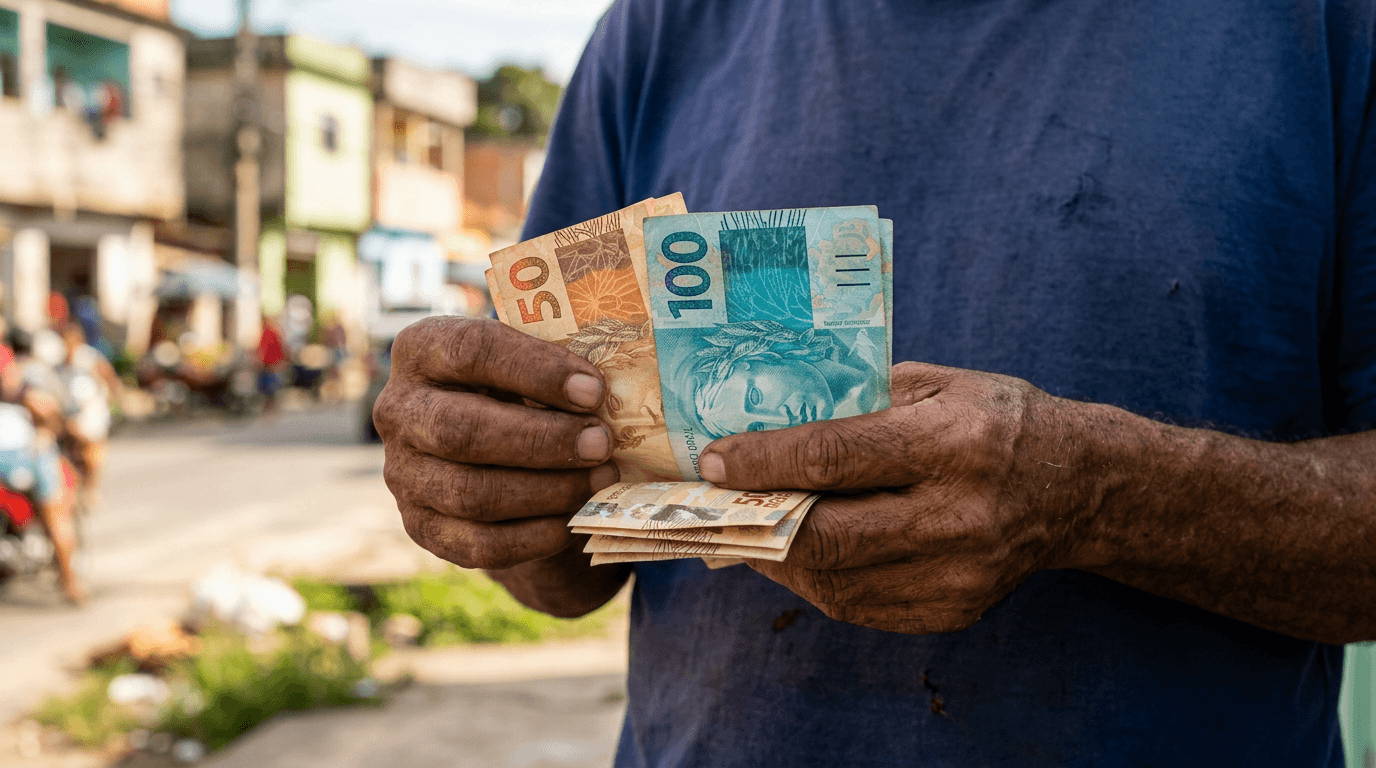
The Brazilian government, led by President Luiz Inácio Lula da Silva, has announced an unexpected 15% increase to the minimum payment of its flagship welfare program, Bolsa Família, a move that has reignited market anxiety over the country’s fiscal stability just weeks before a general election. The government declared on Thursday, September 17, 2026, that the minimum monthly benefit would rise from R$600 (approximately $116) to R$691, effective next month.
The announcement immediately drew fire from economists and opposition figures who question the timing and the cost of the adjustment. Planning Minister Bruno Moretti confirmed the boost would cost the public accounts R$5.8 billion in the current year and a substantial R$22 billion in 2027. The new expenditure was not included in the 2027 budget proposal sent to Congress in August, intensifying concerns that the government is prioritizing a short-term political boost over long-term fiscal discipline. The increase is being implemented by presidential decree.
Bolsa Família, a social transfer program that supports tens of millions of low-income people, is a cornerstone of the Workers’ Party (PT) and the Lula administration's social agenda. The increase is viewed by critics, including Senator Flávio Bolsonaro, the president's main challenger in the upcoming election, as a desperate act of electoral maneuvering. The government, however, argues the adjustment is simply a restoration of purchasing power lost to inflation and can be absorbed within existing budget allocations, an assertion Finance Minister Dario Durigan made despite the lack of provision in the budget proposal.
The immediate reaction on the Brazil economy’s main stock exchange reflected the worry that the extra spending will compromise the country's fiscal trajectory. The Ibovespa, the benchmark stock index, initially dropped by as much as 1.24% on Thursday morning following the announcement, before paring losses later in the session. The market volatility suggests investors fear the unscheduled spending will push the government further from its fiscal targets, ultimately leading to a higher premium on domestic assets.
The political and fiscal fallout is likely to dominate the news cycle in the run-up to the Brazilian election next month. The decision has now been put under the microscope of the country's electoral court, which will have to determine whether the program's exceptional alteration violates electoral law by conferring an unfair advantage. A precedent exists from the 2022 election when the previous administration also increased the program's value shortly before the vote.
What it touches
The increased political uncertainty and fiscal spending directly impact Brazil's sovereign debt and the cost of funding for the government and its institutions. Any news that compromises the fiscal outlook raises the risk premium on Brazilian assets. This directly affects the local banking sector and publicly traded companies that are sensitive to the country’s economic health, such as those included in the Ibovespa index, like Itaú Unibanco (ITUB4), Bradesco (BBDC4), and Petrobras (PETR4).
Related coverage
Markets
Speculators Increase Chicago Soybean Bets as Brazil Dominates Global Supply
Published
Markets · PRO
Brazil’s Election-Driven Spending, Supreme Court Crisis Converge with Economic Slowdown
Published
Markets
Speculators Place Large Bullish Bet on Soybeans, Setting Up Price Support for Brazilian Farmers
Published