
Brazil’s IFIX Real Estate Index Slides for Fourth Day on Cooling Sentiment
Brazilian Real Estate FII Index (IFIX) recorded a fourth straight session of losses, signaling a potential cooling phase.
The Brazilian Real Estate FII Index (IFIX) closed the latest session with a 0.58% drop, marking the fourth consecutive session of declines for the bellwether index of Real Estate Investment Funds (FIIs) listed on the B3. The sustained pressure on the index, which tracks the performance of Brazilian REIT-like assets, suggests a cooling sentiment among investors or sustained profit-taking after a period of gains in the sector.
This downward movement in the IFIX comes amid a generally weaker day for the broader Brazilian stock market. The benchmark Ibovespa also fell, declining by 1.23% to 175,546.36 points, with heavy weights like mining giant Vale (VALE3) and banking titan Itaú Unibanco (ITUB4) contributing to the sell-off, posting losses of 1.66% and 1.30%, respectively. While the IFIX is insulated from the immediate volatility of commodity and banking cycles, FII valuations remain sensitive to the high Selic interest rate environment, which makes fixed-income alternatives comparatively attractive and puts upward pressure on property capitalization rates.
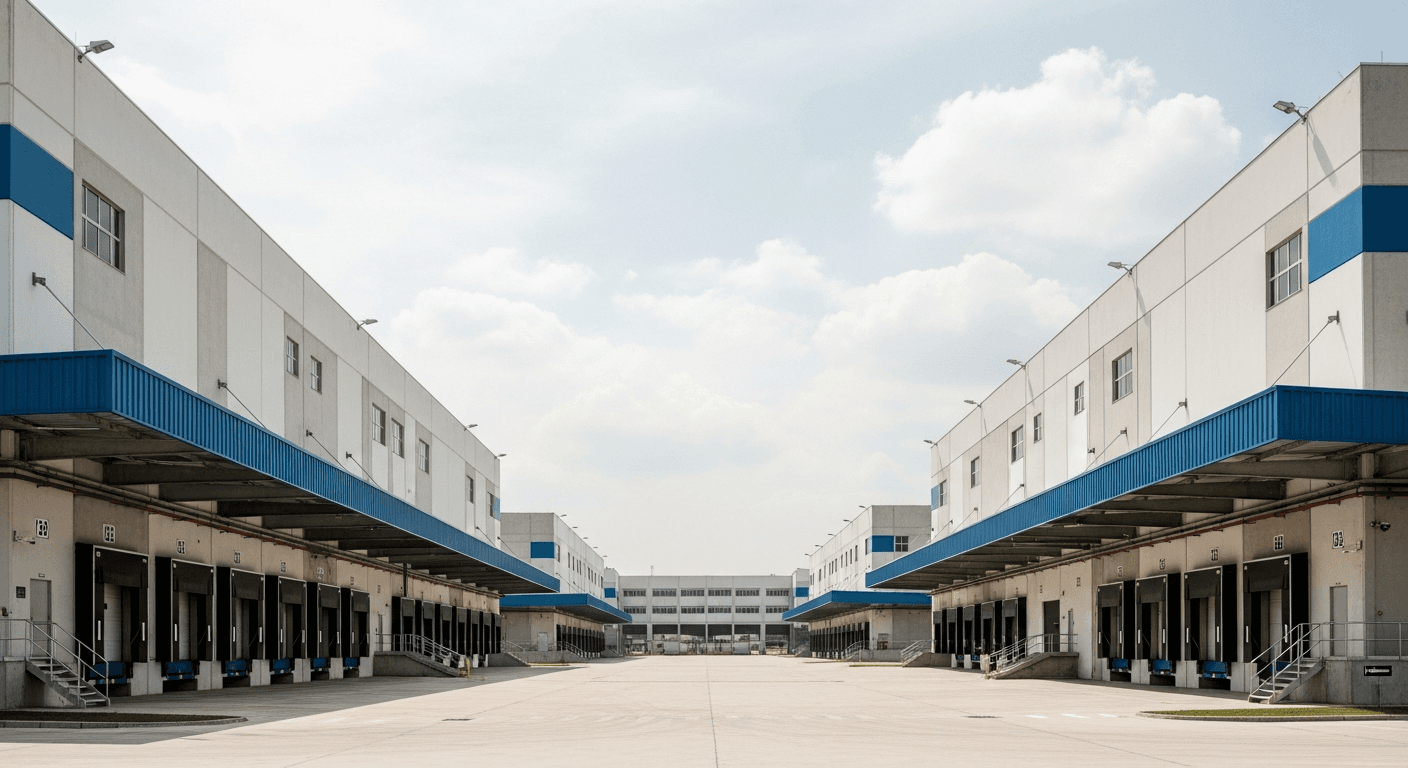
Despite the index’s recent slide, pockets of selective activity continue within the Real Estate Investment Fund segment, illustrating that capital deployment is ongoing for targeted assets. One fund, known by the ticker IBBP11, is preparing for a new share issuance with a maximum capital raise target of R$250.8 million. The capital from this raise is specifically slated for the acquisition of assets concentrated in industrial and logistics warehouses, highlighting a continued investment thesis in the segment that benefits from Brazil’s evolving e-commerce and supply chain dynamics.
The mechanism at play for the IFIX is two-fold: the high-interest rate environment continues to constrain valuations, while at the same time, large new issuances often create a temporary supply overhang or draw capital away from existing listings. The fact that a fund like IBBP11 is moving forward with a substantial raise focused on the industrial and logistics segment indicates that managers see value and future rent growth in specific, defensive asset classes, even as general market sentiment cools.
Investors watching the IFIX should monitor the upcoming data from the Brazilian Central Bank's Monetary Policy Committee (Copom). Any indication regarding the future trajectory of the Selic rate will have a direct and immediate impact on FII valuations, whose underlying property yields are highly correlated with the country’s cost of capital. A sustained reversal in the index would require both an improvement in the broader B3 market sentiment and clear guidance that the lengthy high-rate cycle is drawing to a definitive close.
Related coverage
Markets · PRO
Brazil Finance Ministry Cuts 2026 GDP Forecast to 2.0% on Drag From High Selic Rate
Published
Markets
Brazil's Election Divide Crystallizes Over Fiscal Rules, Lula Rejects PIX Privatization
Published
Markets · PRO
Petrobras to Drill Three More Equatorial Margin Wells After Securing IBAMA Approval
Published