
Brazil today: How high-stakes political drama is reshaping the economy
Just days before a tight presidential election, Brazil faces intense political maneuvering, high-stakes court battles, and rising corporate debt pressures.
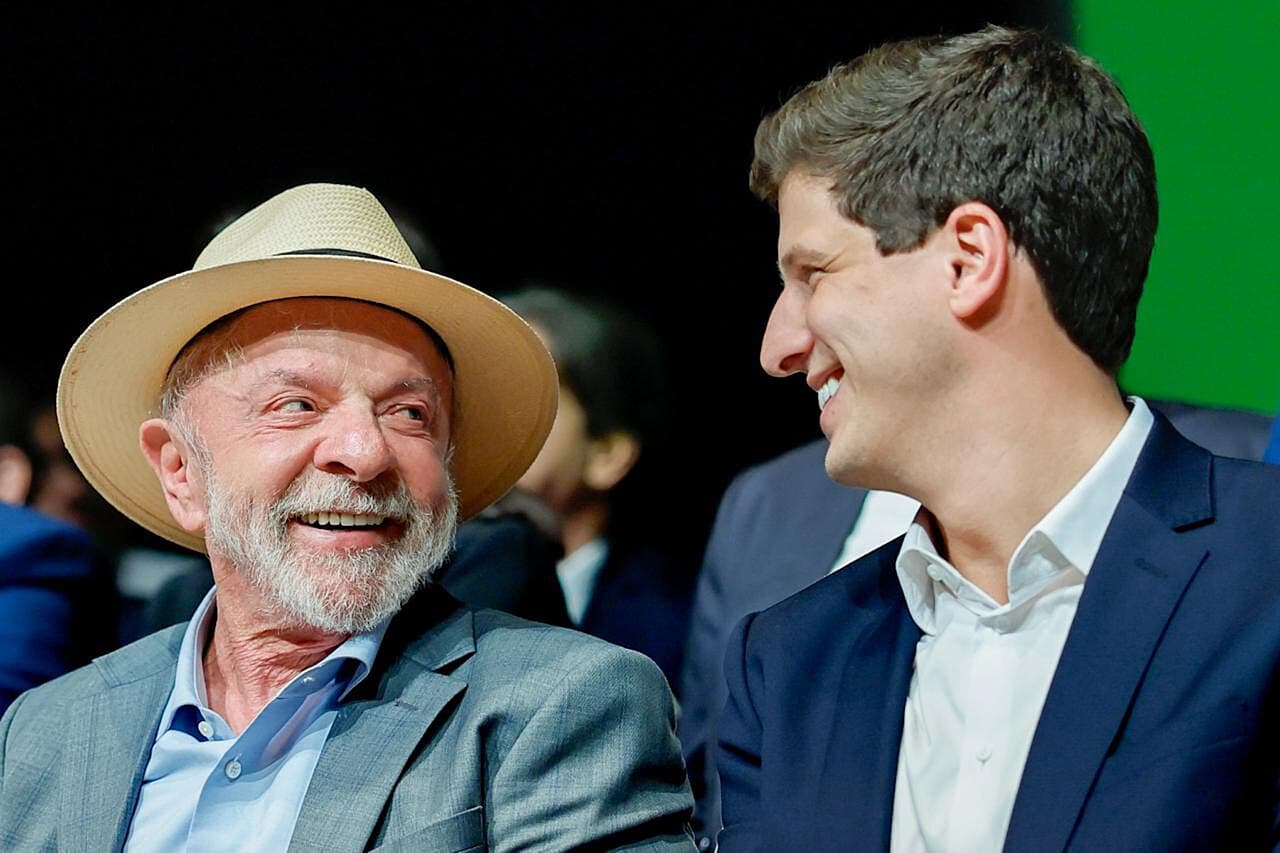
With only three days left before Brazil's pivotal presidential election on October 4, the country’s political and economic landscape is experiencing a series of high-stakes developments. On Thursday, October 1, 2026, President Luiz Inácio Lula da Silva confirmed he will skip the traditional final televised debate hosted by TV Globo. Lula's campaign successfully petitioned the Superior Electoral Court (TSE) to block the network from displaying an empty chair or allowing rivals, including his main challenger, Senator Flávio Bolsonaro, to direct questions to his absent spot. Lula has opted instead to appear on a podcast, seeking to protect his lead in the polls and avoid coordinated attacks from a predominantly right-wing field of candidates.
This debate drama coincides with a major diplomatic and legal escalation. Brazil's Attorney General, Jorge Messias, has formally requested that the Federal Police and public prosecutors investigate alleged U.S. government funding of far-right groups. The move follows a report by The Guardian revealing that the administration of U.S. President Donald Trump planned to allocate $1 million to fund civil society groups opposing what they term "judicial overreach" and "censorship" by Brazil's Supreme Court. Messias declared that foreign meddling in Brazil’s sovereign institutions "cannot be tolerated," particularly as the country enters the final stretch of a highly polarized election.
Meanwhile, the judicial system is grappling with its own internal divisions and legacy cases. The Supreme Court remains split over the legality of steep health insurance price hikes for elderly citizens, a decision with massive ramifications for millions of families and the private healthcare sector. Simultaneously, former President Jair Bolsonaro—currently serving a 27-year coup-plotting sentence under house arrest—has filed a new appeal to the Supreme Court. His defense team is petitioning Justice Nunes Marques to halt the execution of his sentence, arguing the trial should have been conducted by the full 11-member bench rather than a five-justice panel. In local governance, Milton Leite, the influential former president of the São Paulo Municipal Chamber, remains jailed following his arrest in an investigation into a bus cartel allegedly run by the Primeiro Comando da Capital (PCC) drug faction to wash illicit money.
On the corporate front, state-run oil giant Petrobras announced an 11.8% hike in jet fuel prices at its main refineries, effective October 1. The double-digit adjustment reflects rising international oil prices driven by escalating Middle East tensions, immediately raising operating pressures for domestic airlines. This price pressure hits an economy already struggling with a benchmark interest rate (Selic) stubbornly held at 13.75%. While the central bank has attempted an easing cycle, the high cost of capital is failing to rescue heavily indebted small-cap companies, which are struggling to refinance debt and facing record default rates.
However, some sectors are finding relief through targeted policy. The newly sanctioned "Redata" law, which suspends key federal taxes on data center equipment for five years, has begun drawing significant interest from Wall Street and global infrastructure funds. By linking these tax cuts to the use of renewable energy, Brazil is positioning itself as a green hub for artificial intelligence and cloud computing. Yet, as the tight race between Lula and Flávio Bolsonaro triggers heavy hedging, the S&P/B3 Ibovespa VIX—the local market's "fear index"—recently hit a historic high of 31.8 points, highlighting the deep anxiety gripping the nation on the eve of the vote.
What it touches
The tight presidential race and fiscal uncertainty directly expose the Brazilian real (BRL) and domestic equities, represented by the iShares MSCI Brazil ETF (EWZ) and the iShares MSCI Brazil Small-Cap ETF (EWZS). While macro hedge funds have crowded into options betting on a post-election rebound for the real, the high interest rate environment continues to weigh heavily on domestically exposed, high-debt small caps. Meanwhile, Petrobras (PBR) remains highly sensitive to fuel pricing autonomy amid global crude volatility.