
Brazil Postal Giant Correios Posts R$ 5.4 Billion H1 Loss
Brazil's state-owned postal service Correios posted a R$ 5.4 billion loss in the first half of 2026, reigniting debate over privatization and fiscal reform.
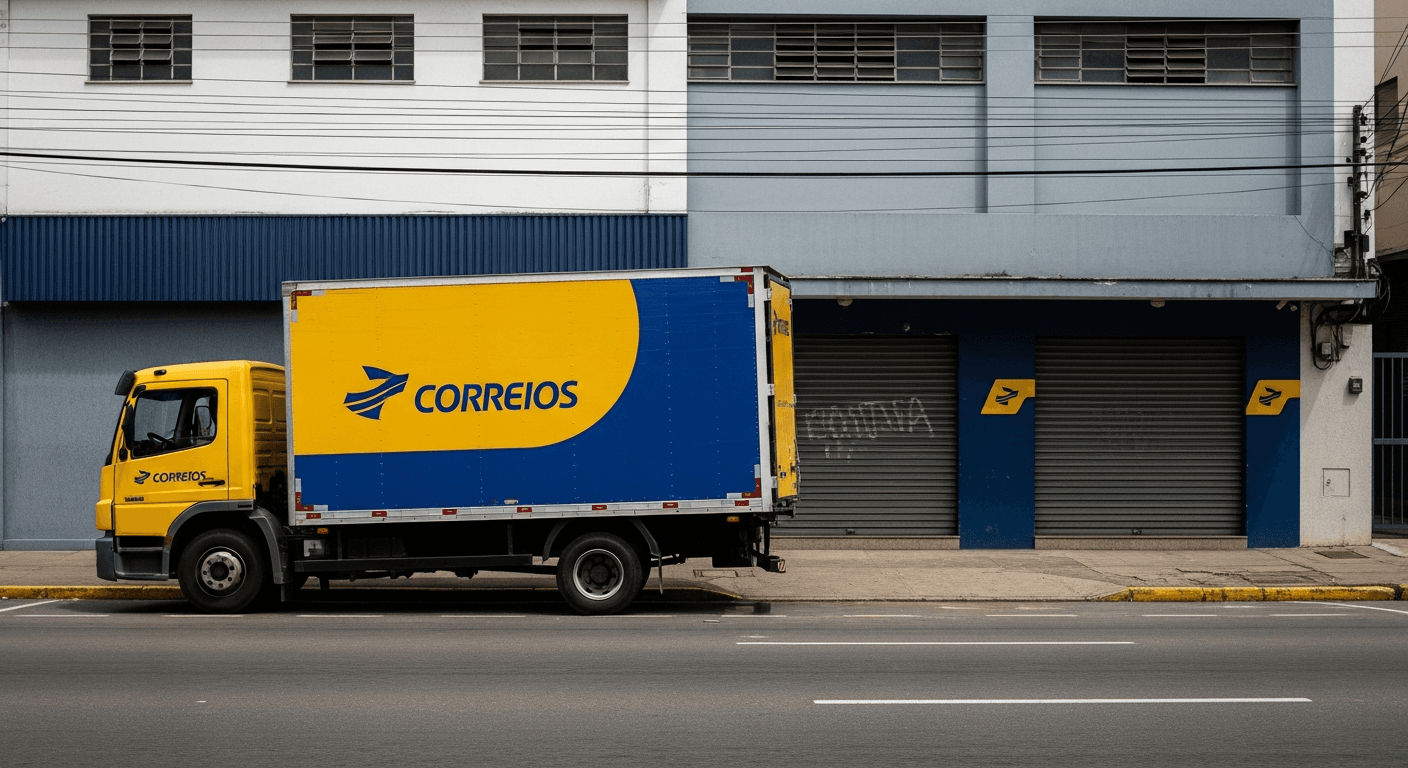
BRASÍLIA — Brazil’s state-owned postal service, Correios, recorded a preliminary net loss of R$ 5.4 billion ($1.03 billion USD) in the first half of 2026. The massive deficit underscores the severe financial distress gripping one of the country’s largest state enterprises and places renewed fiscal pressure on the federal government. The news has immediately reignited a fierce national debate over the privatization of public utilities as Brazil's political factions gear up for the upcoming electoral cycle.
The primary driver behind the steep deficit is a sharp contraction in international e-commerce revenue. Historically a lucrative segment for Correios, cross-border package delivery has been decimated by recent changes in federal taxation. The implementation of import taxes on lower-value international purchases—popularly dubbed the "taxa das blusinhas" in Brazil—has caused cross-border order volumes to plummet. Revenue from international shipments, which previously accounted for 22.2% of the company's total intake, collapsed to just 4.3% in the first half of the year.
The latest figures follow a record net loss of R$ 8.5 billion in 2025. To keep operations running and fund a sweeping internal restructuring plan, Correios secured a R$ 12 billion bank loan backed by a federal government guarantee. This restructuring program, aimed at returning the postal service to profitability by late 2027, includes selling off idle real estate, closing up to 1,000 underperforming local branches, and launching voluntary buyout programs for its massive workforce. However, critics point out that because the federal treasury guarantees the multi-billion-real loan, Brazilian taxpayers remain ultimately exposed to the company's liabilities if the turnaround fails.
The financial crisis at Correios has quickly become a focal point for political risk ahead of the 2026 general elections. Left-leaning allies of President Luiz Inácio Lula da Silva strongly oppose selling off the postal service, arguing that its nationwide network is legally mandated to provide universal mail access to remote, unprofitable corners of the country. Conversely, center-right and market-friendly opposition parties are leveraging the R$ 5.4 billion deficit to argue that state management is unsustainable. They contend that privatizing the logistics giant is the only viable mechanism to relieve the federal budget and eliminate a recurring drain on public coffers.
What it touches: While Correios itself is not publicly traded, its deep financial struggles directly impact Brazil's broader fiscal health and sovereign risk profile due to the federal guarantees on its debt. The ongoing debate over state-owned enterprise (SOE) reform and privatization heavily influences investor sentiment toward other major state-controlled entities listed on the B3 and US exchanges, most notably the state-run oil giant Petrobras (PETR4) and public sector lender Banco do Brasil (BBAS3).
Related coverage
Markets · PRO
Brazil Finance Ministry Cuts 2026 GDP Forecast to 2.0% on Drag From High Selic Rate
Published
Markets
Brazil's Election Divide Crystallizes Over Fiscal Rules, Lula Rejects PIX Privatization
Published
Markets · PRO
Petrobras to Drill Three More Equatorial Margin Wells After Securing IBAMA Approval
Published