
Brazil Launches R$ 5.2 Billion Fuel Subsidy Ahead of Runoff
President Lula's administration eliminates gasoline taxes and boosts diesel subsidies to contain rising global oil prices just weeks before the presidential election.
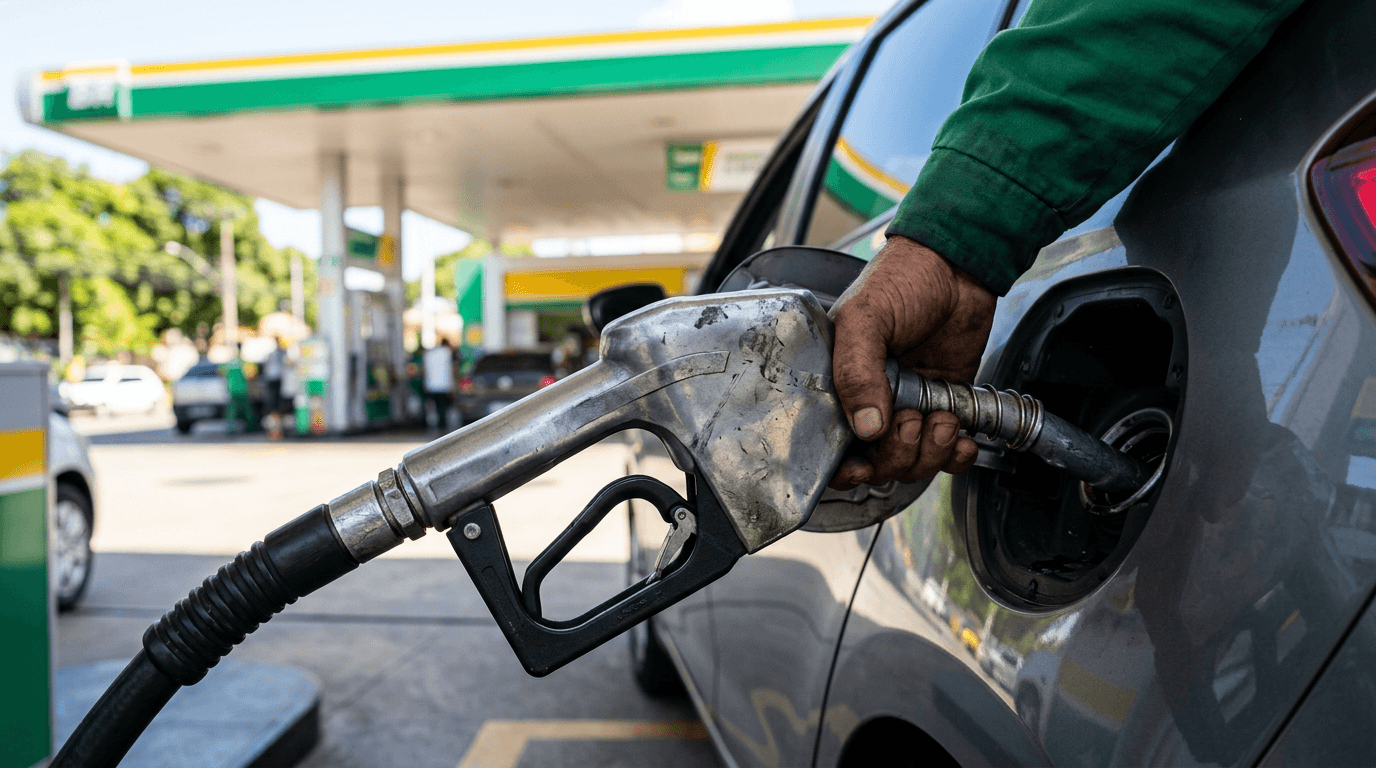
The Brazilian government has launched an emergency fuel subsidy package costing an estimated R$ 5.2 billion ($950 million USD) per month, aimed at shielding consumers from soaring global energy prices. Announced on October 9, 2026, by the Ministry of Finance and the Ministry of Planning and Budget, the temporary relief measures arrive just over two weeks before the high-stakes presidential runoff election scheduled for October 25.
To contain domestic fuel inflation, the administration of President Luiz Inácio Lula da Silva issued a provisional measure (MP) releasing R$ 7.5 billion in extraordinary credit to the Ministry of Mines and Energy. The bulk of these funds will finance subsidies for diesel production and imports. Simultaneously, the federal government slashed federal taxes (PIS/Cofins and CIDE) on gasoline to zero for a 30-day period, expanding an existing tax reduction from R$ 0.63 to R$ 0.89 per liter.
Government officials, including Executive Secretary of Finance Dario Durigan and Planning Secretary Bruno Moretti, stated that the intervention was necessary to buffer the domestic market against international oil volatility. Geopolitical conflicts in the Middle East have recently pushed Brent crude prices above $100 per barrel, threatening to trigger immediate price hikes at Brazilian pumps. Ethanol subsidies were also increased to maintain the biofuel's competitive edge over gasoline.
The Electoral Lens
While the government frames the package as a vital economic shield, the timing has drawn intense scrutiny from political analysts and opposition figures. President Lula is locked in a highly competitive reelection campaign against conservative Senator Flávio Bolsonaro, the son of former President Jair Bolsonaro. In Brazil, fuel prices are a deeply sensitive political issue; past price spikes have triggered nationwide trucker strikes and severely damaged presidential approval ratings.
By deploying billions in subsidies just 16 days before voters head to the polls, the administration hopes to neutralize a potent campaign vulnerability. However, critics argue the move strains Brazil’s fiscal credibility. The Ministry of Planning stated that the R$ 3.6 billion fiscal impact of the gasoline and ethanol tax cuts in 2026 will be offset by extraordinary oil revenues accrued by the federal government. Nonetheless, the temporary 30-day window means the next administration—regardless of who wins on October 25—will face the immediate challenge of either extending the costly subsidies or letting prices rise.
What it touches
This emergency intervention directly impacts state-run oil giant Petrobras (PETR4), which has historically faced political pressure over its fuel pricing policy. While the subsidies are designed to compensate importers and distributors directly to keep pump prices stable without forcing Petrobras to sell below international parity, the heavy government involvement in the fuel market keeps regulatory risks high for energy sector assets.