
Brazil Infrastructure Fund Market Hit by Historic Wave of Redemptions
Heavy outflows from tax-exempt infrastructure bond funds push corporate borrowing costs to multi-year highs, stalling crucial energy and logistics projects.
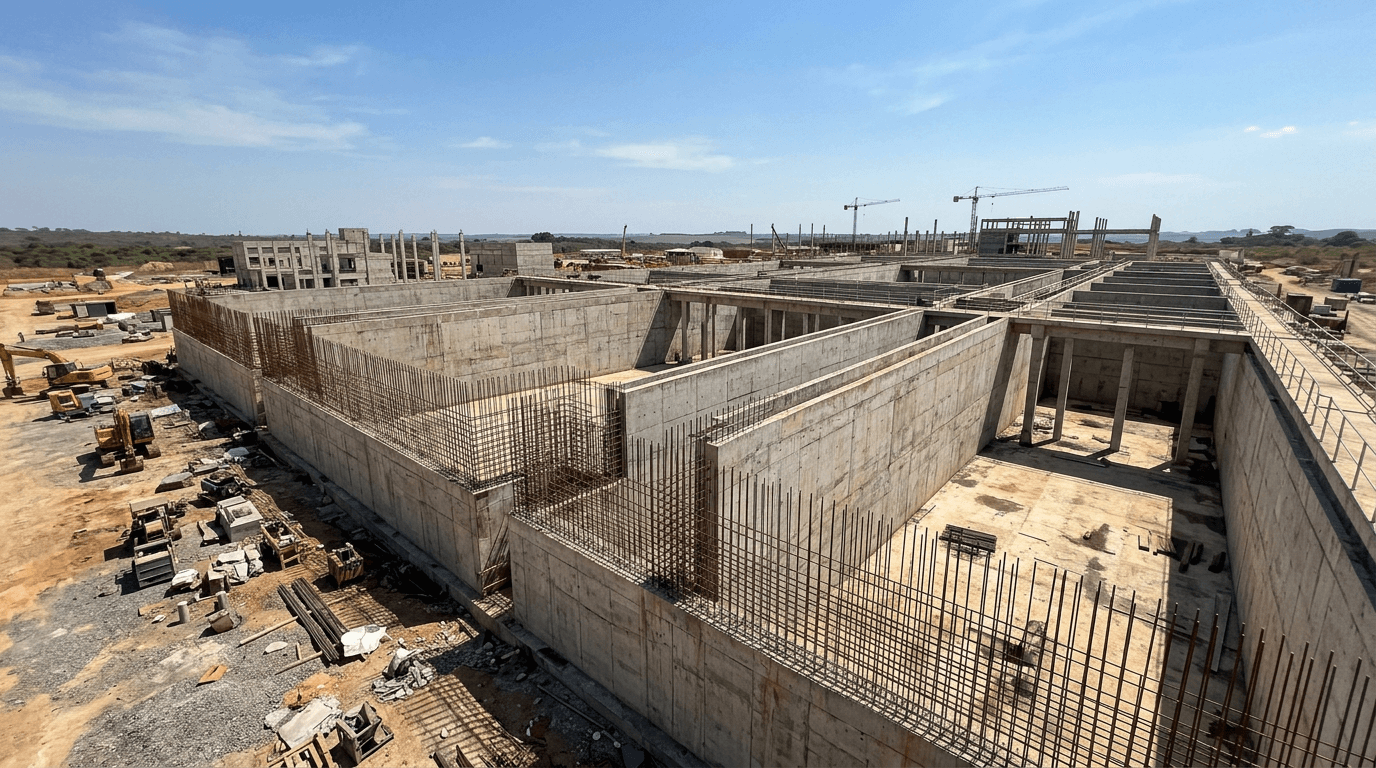
A massive wave of investor redemptions has hit Brazil’s market for tax-exempt infrastructure bonds, driving corporate borrowing costs to multi-year highs and threatening the financing pipeline for major energy, sanitation, and logistics projects. The sudden liquidity squeeze marks a sharp reversal for a sector that had previously been a darling of local high-net-worth investors.
According to data from the capital markets association Anbima, primary market issuance of these tax-exempt bonds—locally known as debêntures incentivadas—dried up significantly, with August 2026 registering just R$ 170 million in new volume. This represents the lowest monthly total since January 2019. The freeze comes as companies delay capital raises amid rising market volatility ahead of the upcoming presidential election cycle.
The bottleneck originated earlier in the year when local banks were forced to absorb a massive backlog of unsold corporate debt. Financial institutions took on 86.3% of the infrastructure bonds issued in the second quarter of 2026, compared to 56.1% during the same period last year, as investor demand evaporated. When banks began offloading these holdings into the secondary market, they met a wall of redemptions from local investment funds.
Spreads Spike as Funds Face Outflows
With fewer buyers in the secondary market, the heavy selling triggered a sharp repricing. Tax-exempt infrastructure funds experienced net outflows of roughly R$ 14 billion in September 2026, marking the fastest pace of redemptions since at least 2021. This forced selling pushed credit spreads—the premium that corporate borrowers must pay over government bonds (NTN-Bs)—to their highest levels since mid-2024.
The resulting drop in bond prices caused the benchmark infrastructure bond index (IDA-IPCA Infraestrutura) to gain a mere 0.41% in September. By comparison, standard inflation-linked government bonds (the IMA-B index) surged 3.15% over the same period, prompting disappointed retail investors to yank their money out of the specialized infrastructure funds.
The funding freeze poses a direct challenge to Brazil's infrastructure development. For over a decade, these tax-exempt instruments have been the primary tool to channel private capital into critical public works, reducing the country's reliance on state-subsidized development bank loans. With borrowing costs elevated, operators of highways, power transmission lines, and water treatment plants are facing much higher expenses to roll over existing debts or fund new builds. Analysts estimate it could take two to three months of quiet trading for the market to digest the excess supply and stabilize corporate spreads.
What it touches
The liquidity squeeze directly impacts the domestic fixed-income market and corporate credit spreads. Large-scale infrastructure operators in the electricity, logistics, and sanitation sectors are highly exposed to these funding costs. While local corporate debt is not directly traded on foreign exchanges, international asset managers holding Brazilian credit portfolios or local-currency fixed-income funds will see valuations pressured by the wider credit spreads.