
Brazil Consumer Confidence Falls to 4-Month Low, Driven by Current Financial Strain
Brazil’s Consumer Confidence Index (ICC) fell 0.4 point to 88.3 in July, its lowest level since March 2024, signaling strain on household finances.
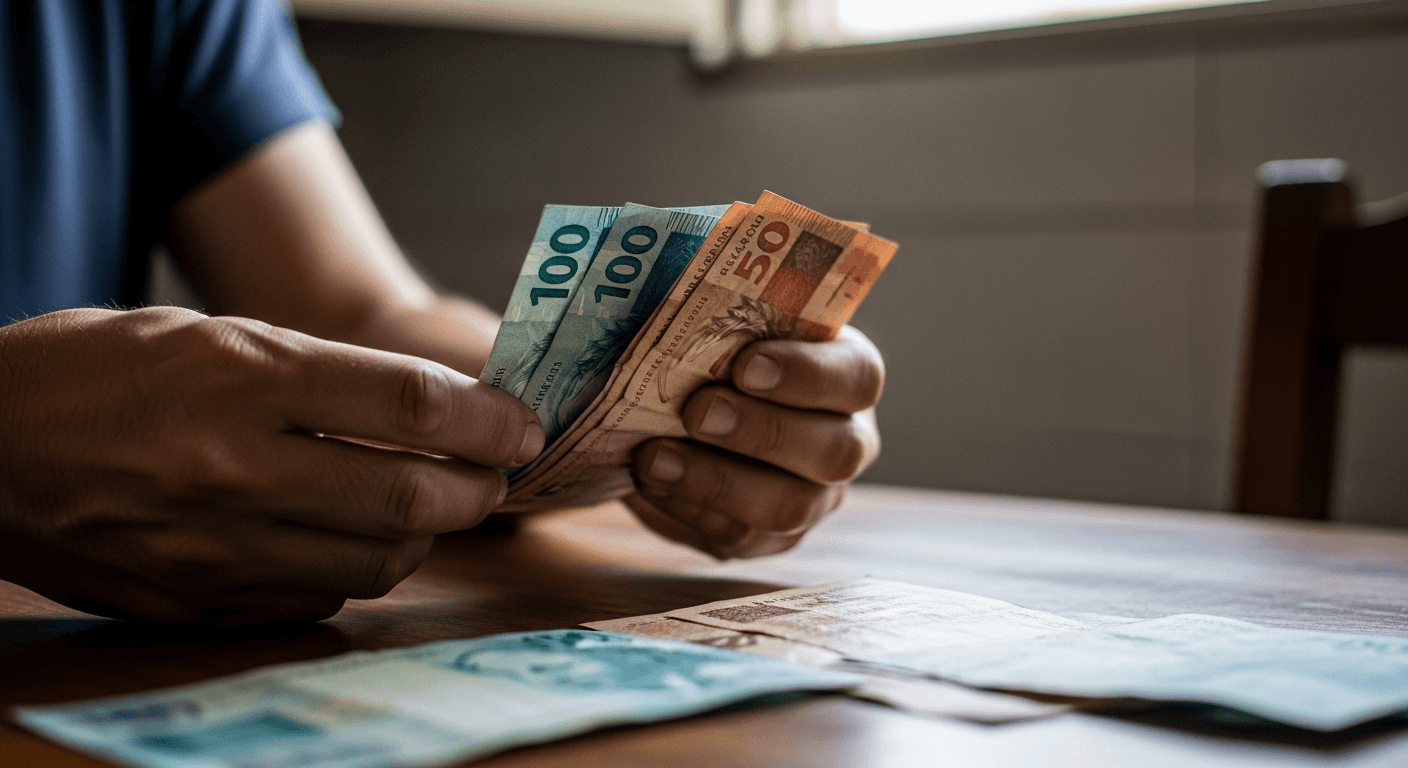
Brazil’s Consumer Confidence Index (ICC) fell for the third consecutive month in July, retreating 0.4 point to 88.3, marking the lowest level recorded since March 2024. The key driver of the decline was a sudden worsening in how Brazilian consumers, particularly in lower-income brackets, view their present financial situation, signaling ongoing pressure on consumption and credit-sensitive sectors.
The Index of Current Situation (ISA), which tracks consumers’ perceptions of the present, dropped a significant 2.6 points to 84.4 in the month. This shift is critical as, until now, confidence deterioration had largely been confined to expectations for the future, while the assessment of the present had remained stable or improved. The economist at FGV IBRE, Anna Carolina Gouveia, attributed the latest decline to a worsening view of family financial budgets, with high indebtedness and strongly restrictive interest rates continuing to act as the primary pressure points on household spending.
The renewed pessimism around current financial health suggests caution for investors holding positions in consumer-facing companies and financial institutions. The mechanism is direct: high borrowing costs driven by a prolonged cycle of elevated interest rates erode purchasing power and increase default rates, which tightens credit conditions. On the B3 today, the broader market followed a negative trend, with the benchmark Ibovespa Index falling 1.52% to 174,041.95, while bellwether financial stocks like Itaú Unibanco (ITUB4) fell 1.08% to R$42.10.
While the current assessment worsened, the Index of Expectations (IE) posted a slight gain, rising 1.1 points to 91.5, supported mainly by an increase in the planned purchase of durable goods. This divergence suggests that consumers remain strained by present-day budgets but maintain a modest belief that conditions may improve eventually. However, the immediate pressure remains on consumption, which feeds into economic activity and inflation dynamics.
Investors focused on the path of the Brazilian real and the Selic rate will next watch for the inflation print, which could determine if the Central Bank gains flexibility to begin easing monetary policy more aggressively. Should the ISA continue to fall in the next reading, it will confirm that high debt and high interest rates are translating into a material and immediate drag on the domestic economy, continuing to strain the credit portfolios of major Brazilian banks.
Related coverage
Markets · PRO
Brazil Finance Ministry Cuts 2026 GDP Forecast to 2.0% on Drag From High Selic Rate
Published
Markets
Brazil's Election Divide Crystallizes Over Fiscal Rules, Lula Rejects PIX Privatization
Published
Markets · PRO
Petrobras to Drill Three More Equatorial Margin Wells After Securing IBAMA Approval
Published