
Brazil Congress Eliminates Import Tax on $50 E-commerce Orders, Awaits Lula Sanction
Brazilian Congress approves MP to permanently zero the federal import tax on international purchases up to US$50, impacting retail competition.
The Brazilian Congress has formally approved a measure to permanently zero the federal import tax on small international purchases, a move that will slash the cost of cross-border e-commerce for millions of consumers and intensify competition for domestic retailers. The Senate gave its final legislative approval to Provisional Measure (MP) 1.357/2026, which had already passed the Chamber of Deputies, sending the text to President Luiz Inácio Lula da Silva for final sanction or veto.
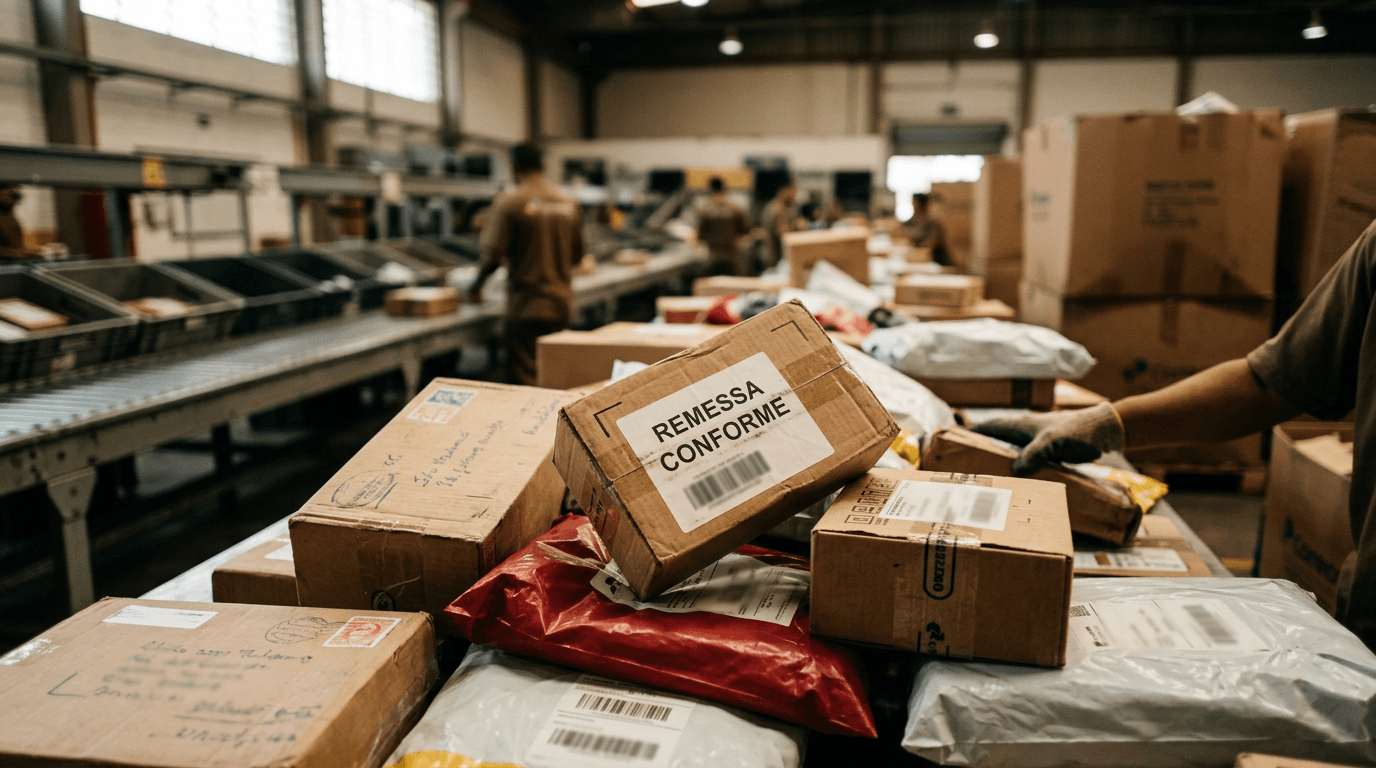
The legislative action makes permanent the government’s May 2026 policy, which eliminated the 20% federal Import Tax—a charge widely known in Brazil as the "taxa das blusinhas" or "little blouse tax"—on international orders valued up to US$50. This exemption applies to purchases made by individuals through foreign e-commerce platforms registered in the government’s Remessa Conforme (Compliant Remittance) program, such as Shein and Shopee. The measure directly benefits lower-income consumers, who have come to rely on these platforms for affordable goods, and has been credited with an explosion in parcel volumes, with Brazil’s postal system reporting a 118% jump in international packages shortly after the temporary exemption was implemented.
A Provisional Measure, or Medida Provisória, is a temporary executive order issued by the President that immediately takes effect but must be approved by the Congress within a set period to become law. By approving MP 1.357/2026, the legislature has converted the temporary tax reprieve into a permanent statute. The measure also grants the Minister of Finance the authority to reduce the Import Tax rate for higher-value purchases, those between US$50 and US$3,000, from the current 60% down to as low as 30%. This, however, is a separate provision that requires a subsequent executive decision to take effect.
The policy shift has been heavily opposed by local Brazilian retail businesses, which argue that the tax exemption creates an unfair competitive advantage for foreign sellers, allowing them to undercut prices because the federal tax component is removed from the imported goods. The tax relief only applies to the federal Import Tax; the state-level sales tax, known as ICMS (generally around 17% to 20%), continues to be applied to all international and domestic purchases.
The text now moves to the Planalto Palace, the seat of the executive branch in Brasília, where President Lula da Silva must decide whether to sanction the bill into law or exercise a partial or full veto. Given that the Provisional Measure originated with the Lula administration, full presidential sanction is the expected outcome, formally ending the political battle over the "blusinhas tax."
What it touches The permanent elimination of the Import Tax for small packages is a material positive for foreign-based cross-border platforms and a direct competitive headwind for Brazil’s domestic retail and e-commerce sector, which must continue to compete against the now-cheaper imported goods.