
Banco Master Collapse: Inside Brazil's Historic Banking Fraud Scandal
The Central Bank of Brazil's liquidation of Banco Master exposes a BRL 55 billion fraud scheme, shaking the financial sector and implicating top politicians.
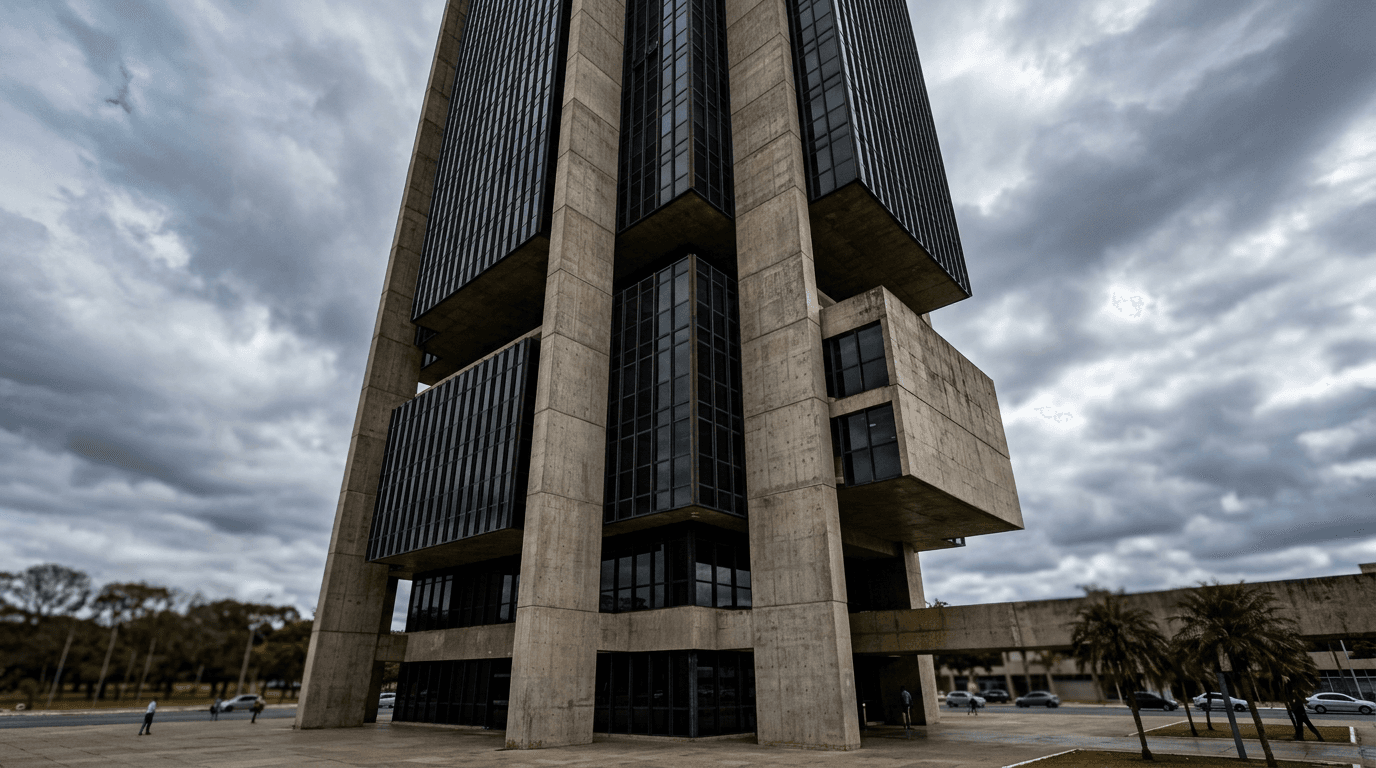
A massive financial scandal has shaken Brazil as the Central Bank of Brazil liquidated Banco Master, once one of the country's rapidly growing medium-sized lenders. A sweeping Federal Police investigation has uncovered a fraudulent lending scheme valued at an estimated 55 billion reais (approximately $10 billion). The collapse marks the largest banking fraud in modern Brazilian history, leaving the national deposit insurance system, the Fundo Garantidor de Créditos (FGC), facing unprecedented liabilities.
At the heart of the collapse was a highly organized "digital assembly line" designed to manufacture fake loan portfolios. According to detailed forensic reports released by the Federal Police in September 2026, Banco Master employees systematically forged payroll and pension-backed loan contracts. Investigators discovered that the bank used automated C# programming scripts to extract genuine signature pages from older, unrelated customer PDFs and paste them onto newly fabricated loan documents. Staff also utilized the mail-merge feature in Microsoft Word to generate thousands of fake power-of-attorney forms in bulk.
The scale of the deception was vast. Federal Police analysts revealed that a staggering 93.3% of the bank's payroll loan contracts under investigation lacked legitimate signatures or physical authorization from retirees. Instead, they were generated using these automated scripts and Word templates. To make the bank appear financially sound and attract billions in investment, Banco Master channeled these fabricated assets through a shell company with a registered capital of just 100 reais, using it to simulate 7.15 billion reais in credit assignments.
A Political Crisis Unfolds
The fallout has quickly escalated beyond the financial sector into a full-blown political crisis. Daniel Vorcaro, the former controlling shareholder of Banco Master who was arrested by federal authorities in March 2026, had his personal mobile phone seized. Leaked chat logs, audio files, and call records from his device have implicated prominent congressional leaders and Supreme Court justices.
The investigation has revealed extensive lobbying efforts and questionable financial ties. Among those under scrutiny is Senator Ciro Nogueira, the president of the Progressive Party (PP), who is being investigated for allegedly receiving monthly payments to advance legislation tailored to benefit the bank. The leaks also exposed questionable transactions involving Senator Flávio Bolsonaro, the son of former President Jair Bolsonaro, regarding the financing of a luxury mansion in Brasília through a state-owned bank allied with Banco Master.
Systemic Safeguards Under Strain
The liquidation of Banco Master has put immense pressure on Brazil's financial safety nets. The FGC, which guarantees deposits for ordinary citizens up to 250,000 reais per account, is managing the fallout of the collapse. While the Central Bank of Brazil has moved swiftly to isolate the damage and reassure the public that the broader banking system remains highly capitalized and stable, the sheer volume of the fraud has raised serious questions about regulatory oversight and auditing standards in the country's financial sector.
As the Federal Police continue to analyze the digital trail left by the bank's IT department, prosecutors are preparing formal indictments against Vorcaro and his close associates. With the 2026 electoral cycle underway, the political ramifications of the leaked phone records are expected to dominate the legislative agenda, as authorities trace how deeply the bank's fraudulent funds penetrated the halls of power in Brasília.
What it touches
The collapse of Banco Master directly impacts the Brazilian financial sector, specifically putting a spotlight on the Fundo Garantidor de Créditos (FGC) and mid-sized lenders that rely on institutional credibility to raise capital. While major publicly traded retail banks like Itaú Unibanco (ITUB) and Banco Bradesco (BBD) are insulated from the direct fraud, the scandal heightens domestic political risk and sovereign credit scrutiny, which historically influences the broader Brazilian stock market and the performance of the MSCI Brazil ETF (EWZ).