
State-Controlled Banco do Brasil Partners With iFood to Finance Gig Workers’ Motorcycles
Major Brazilian bank and delivery app use platform data to unlock credit for gig workers to buy new motorcycles and electric bikes.
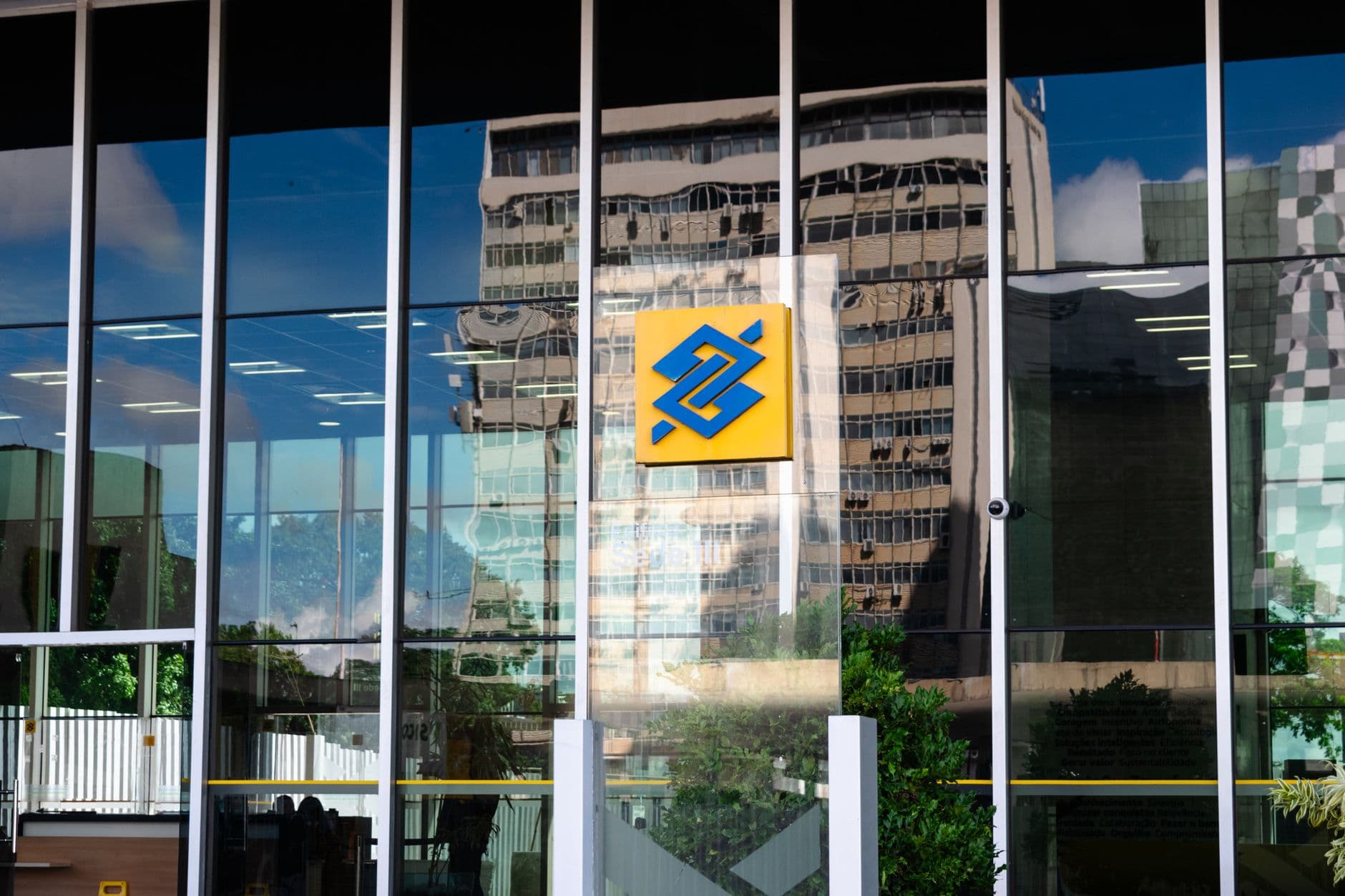
One of Brazil’s largest state-controlled banks, Banco do Brasil, has launched a partnership with the delivery platform iFood to accelerate the government’s low-interest credit line for the country’s vast gig workforce, specifically targeting delivery workers who use motorcycles or electric bikes. The collaboration aims to boost the uptake of the government-sponsored Move Brasil Motos program by offering 100% financing for new vehicles over up to 48 months to iFood's delivery partners, with preferential rates of 0.90% per month for women and 0.97% per month for men.
The partnership is a significant move toward financial inclusion for a large segment of the Brazilian labor market. While the federal government’s Move Brasil program was designed to offer subsidized credit to transport professionals for buying new, more sustainable vehicles, its initial disbursement has been slow. Since its launch on July 27, Banco do Brasil had only released R$17.1 million in contracts by mid-August, highlighting a disconnect between the program’s goal and its reach.
To bridge this gap, the bank, which is listed on the B3 stock exchange under the ticker BBAS3, is integrating data with iFood, Brazil's dominant food delivery platform. This is designed to streamline the process for workers who often lack traditional formal income documents. The key mechanism is using a delivery worker's activity—a minimum of six months of registration on the platform and 100 completed deliveries or rides—to establish eligibility for the subsidized credit, effectively creating a new form of creditworthiness based on platform history. The vehicle must be new, manufactured or assembled in Brazil, and fall under the categories of motorcycles, mopeds, electric bikes, or scooters.
This initiative signals how state institutions are adapting to the modern gig economy, providing a framework that validates delivery work as a pathway to formal credit access. For iFood's vast network of couriers, securing 100% financing with below-market interest rates and a two-month grace period before payments begin represents a substantial opportunity to upgrade their primary work tool, leading to lower operating costs and increased income stability. What comes next is a crucial test of whether leveraging big-platform data can unstick a government program: analysts will watch to see if the rate of financing contracts accelerates following the agreement's implementation.
What it touches The partnership involves Banco do Brasil (BBAS3), which saw a modest rise of 2.16% in its stock price as of the close of business today. This initiative addresses the long-standing challenge of formalizing the country's gig workforce, a key component of Brazil's economy, and provides a template for public-private cooperation in addressing financial inclusion.