
Brazilian Water Company Sabesp Delivers Stable Payouts Post-Privatization
Newly privatized water utility Sabesp maintains defensive cash flows and steady dividends for US retail investors amid its massive capital restructuring.
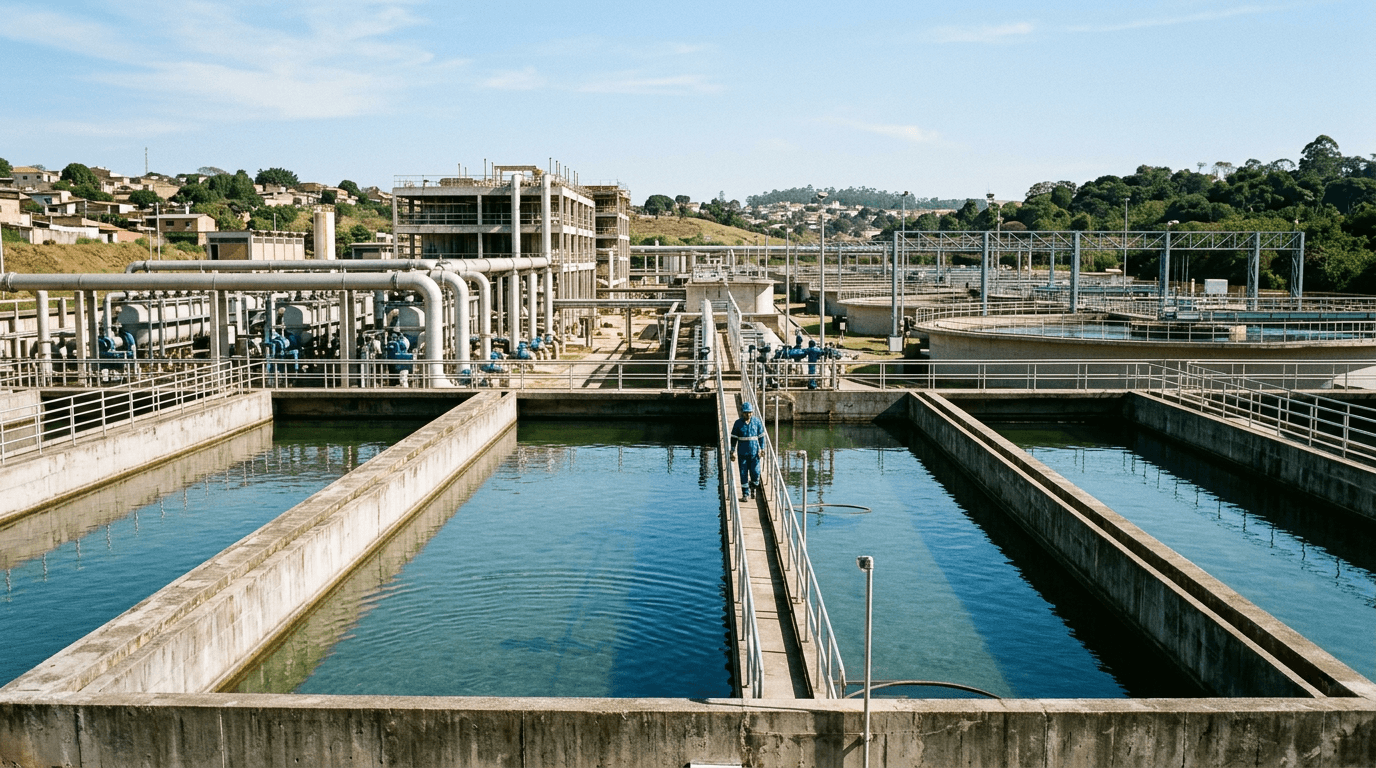
American retail investors looking to shield their portfolios from broader market volatility are increasingly turning to defensive utility stocks that offer predictable, cash-backed returns. In the public utilities sector, water companies are historically prized for their stable, recession-resistant cash flows. For those holding international assets in their US brokerage accounts, a major player in this space is continuing to deliver steady payouts following one of the largest corporate transformations in South America.
Sabesp, the massive water and sanitation utility serving the state of São Paulo, has successfully maintained its status as a top-tier dividend payer as it transitions into a private enterprise. According to dividend records, Sabesp executed a cash dividend distribution to its New York-listed American Depositary Receipt (ADR) holders with an ex-dividend date of March 27, 2026. The distribution amounted to approximately $0.0319 per ADR, subject to a standard $0.05 ADR fee.
This payout continuity comes on the heels of Sabesp's historic privatization, which concluded in July 2024 through a massive R$14.5 billion ($2.7 billion) secondary public offering. The transaction, which was the largest water and sanitation share offering in global history, reduced the São Paulo state government's controlling stake from over 50% down to 18%. Brazilian energy conglomerate Equatorial Energia stepped in as the strategic reference investor, acquiring a 15% stake to guide the utility's new private management.
Navigating the Post-Privatization Restructuring
For global investors, the primary concern with any major privatization is whether the company can balance aggressive capital expenditure with shareholder returns. Under the terms of its private transition, Sabesp is executing a massive R$70 billion investment plan between 2024 and 2029. This capital expenditure is designed to accelerate the universalization of water and sewage services across its 376 municipalities, moving the target deadline forward to 2029.
These investments are not merely sunk costs; they flow directly into the company’s Regulated Asset Base (RAB), which determines its allowed earnings under the state regulatory model. With regulatory returns hovering around 8% on this expanding asset base, the utility has established a highly predictable path for long-term earnings growth. Reflecting this post-privatization financial restructuring, Sabesp's forward dividend yield for its local Brazilian shares (SBSP3) hovered around 5.00% as of October 2026.
Political and Regulatory Risks Under the Microscope
While the financial outlook remains stable, investing in Brazilian public utilities involves navigating local political dynamics. The state of São Paulo, which remains a minority shareholder, is the economic engine of Brazil. Because water tariffs directly impact millions of households, the regulatory agency Arsesp is frequently subject to public scrutiny.
The regulatory framework is the primary mechanism of risk for Sabesp. Any political pressure to artificially suppress water tariffs during election cycles can directly compress the utility's operating margins. However, the company's first post-privatization tariff review in late 2025 successfully adjusted rates for inflation, signaling that the regulatory environment remains cooperative and structured to support the company's private business model.
In your brokerage app
U.S. retail investors can access this defensive water utility through Companhia de Saneamento Básico do Estado de São Paulo (Sabesp), which is listed in New York under the ticker SBS. For diversified exposure to global infrastructure and emerging market utilities, the stock is also a holding in various international utility exchange-traded funds (ETFs) available through standard brokerage platforms.