
Shopee and Amazon Partners Shake Up the Brazil Retail Market
Brazil's Magazine Luiza partners with Sea Ltd's Shopee to sell 27,000 electronics and appliance items, shifting the Latin American e-commerce landscape.
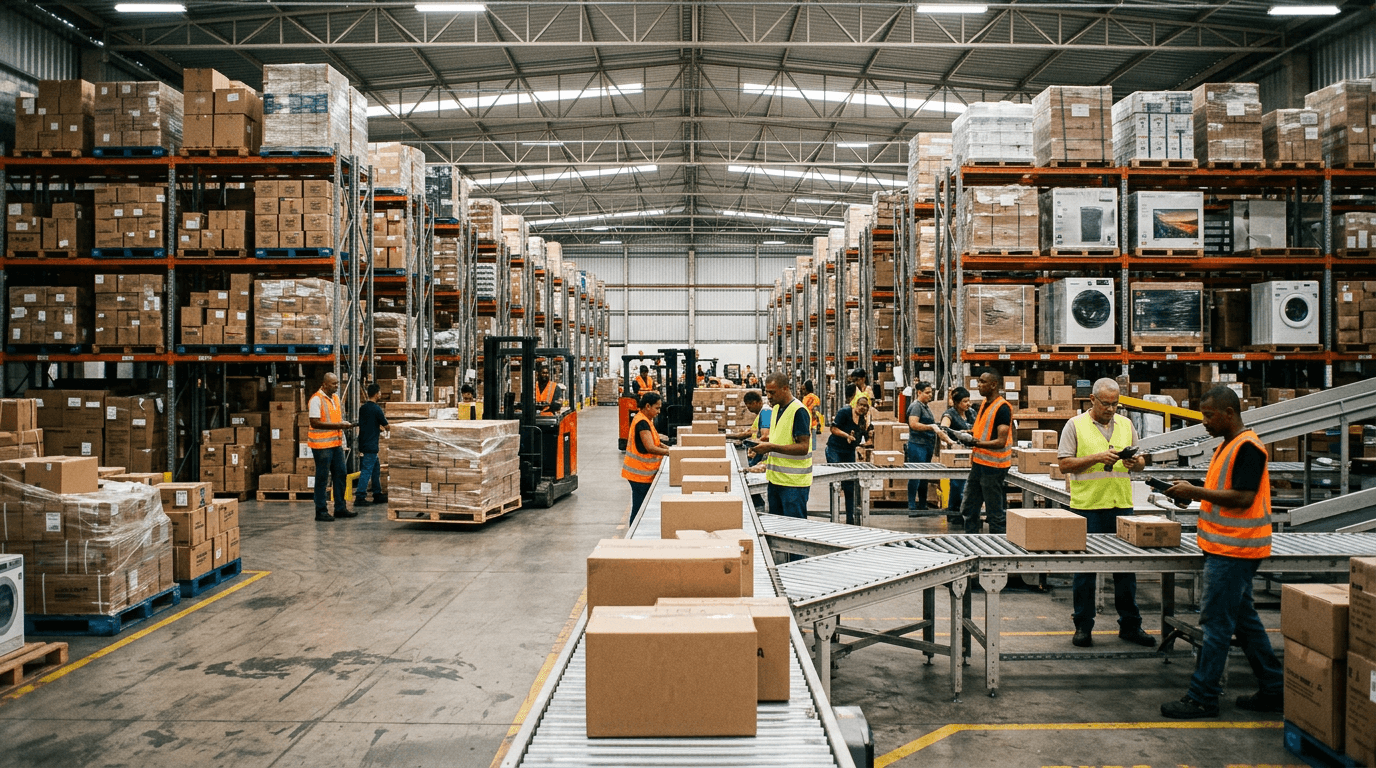
Global e-commerce giants are rewriting the rules of competition in Latin America, forcing local retail players to merge their digital storefronts to survive. For American retail investors holding shares of global e-commerce leaders like Amazon or regional giants like MercadoLibre, these shifting alliances in South America's largest economy are directly altering market share dynamics and unit economics.
On October 15, 2026, Brazilian retail giant Magazine Luiza—famously known as Magalu—announced a strategic partnership to sell its own inventory directly on Shopee, the fast-growing marketplace owned by Singapore-based Sea Ltd. Under the agreement, Magalu will list 27,000 items from its own stock, including major home appliances and electronics, as well as products from its specialized subsidiaries KaBuM! and Época Cosméticos.
To bypass the high shipping costs that traditionally plague the vast Brazilian territory, all logistics for these sales will be handled by Magalu's newly independent, in-house logistics operator, Magalog. This move follows a similar strategic agreement in June 2026, when Magalu listed 12,000 of its own products on Amazon's Brazilian platform to maximize its digital reach.
This integration highlights a major shift in the Brazil retail market. Rather than fighting expensive price wars against well-capitalized Asian and American platforms, domestic Brazil retail companies are choosing to leverage their competitors' massive digital audiences. According to Shopee's internal metrics published on October 15, 2026, the Singaporean platform is accessed by approximately 90 million Brazilians every month. By listing its products on Shopee's "Official Stores" section, Magalu gains immediate access to this user base without having to pay for customer acquisition.
For foreign investors, this consolidation trend reflects the intense competitive pressure within the Latin American e-commerce space. Over the last few years, the rapid expansion of Sea Ltd's Shopee, Chinese cross-border platforms like AliExpress and Shein, and the market leader MercadoLibre has forced traditional brick-and-mortar retail stores in Brazil to pivot toward capital-light, high-margin digital partnerships. Analysts at J.P. Morgan noted in an October 18, 2026 report that the partnership is a net positive for Magalu's sales volume, though they maintained an underweight rating on the Brazilian retailer due to broader macroeconomic headwinds.
In your brokerage app
While Magazine Luiza is traded locally in São Paulo, global investors can gain exposure to this Latin American retail shift through US-listed assets. Sea Ltd, the parent company of Shopee, is listed in New York and is a major holding in the Global X MSCI China Consumer ETF. Meanwhile, MercadoLibre, the dominant e-commerce player in the region, is also listed in New York and is heavily featured in the Franklin FTSE Brazil ETF, which tracks the broader performance of the Brazilian consumer and retail tech sectors.