
S&P 500 Investing on B3: How Brazil's Currency Volatility Changes the Game
Post-election shifts in the Brazilian Real are driving a stark performance split between currency-hedged and unhedged S&P 500 ETFs on the B3 exchange.
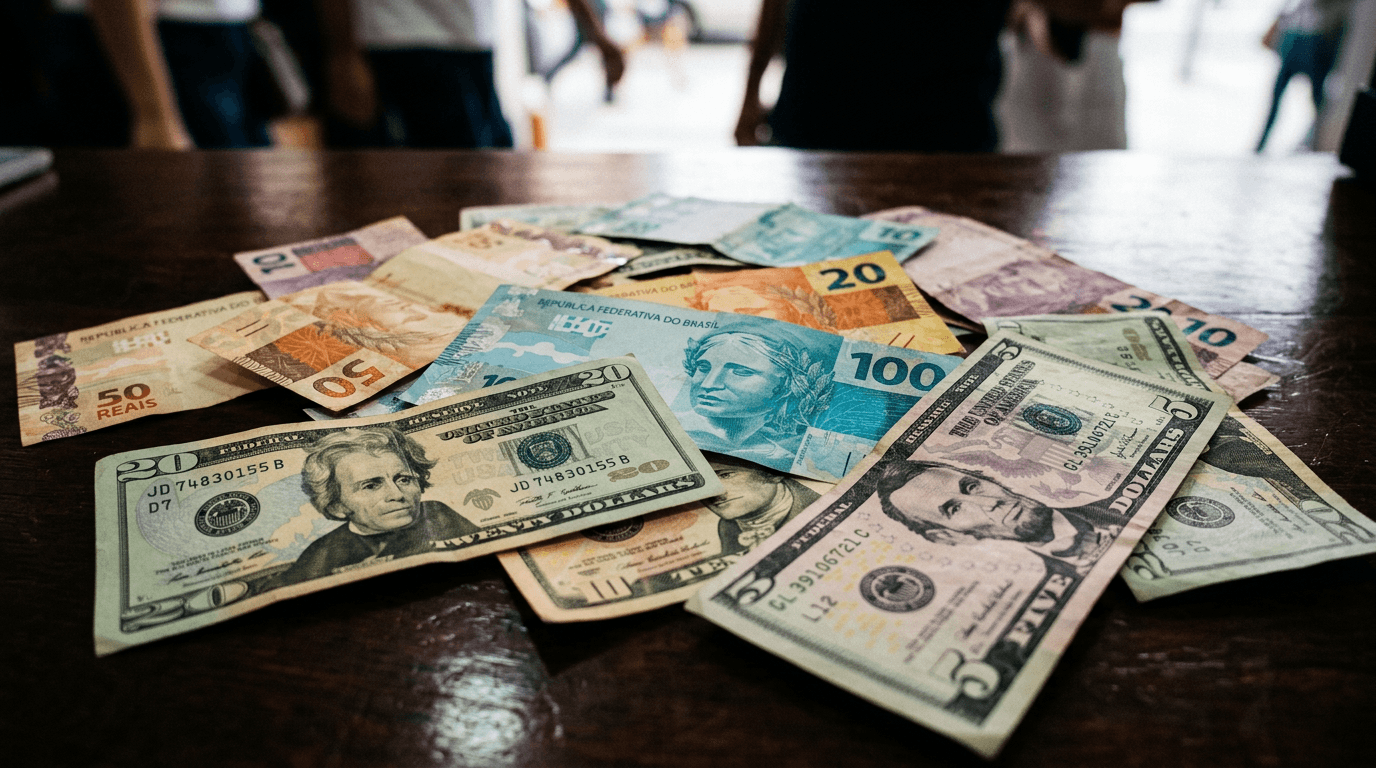
Investing in the world's largest companies from Brazil has never been easier, but a sudden post-election currency swing has reminded local investors of a hidden variable in their portfolios: the exchange rate. Following the first-round election results, a sharp rally in local assets saw the US dollar plunge more than 4% to R$ 5.00 suno.com.br. This dramatic shift is forcing retail and institutional investors to reassess how they access global equity markets through local vehicles.
For those buying international exposure on B3, the Brazilian stock exchange, the choice of instrument has led to vastly different outcomes. Investors using traditional, unhedged S&P 500 exchange-traded funds (ETFs) like IVVB11—which tracks the US index alongside the USD-BRL exchange rate—saw their holdings lose value simply because the local currency strengthened suno.com.br. When the Brazilian Real gains ground, it acts as a drag on unhedged foreign assets, diluting any gains made by the underlying US equities.
Conversely, those utilizing currency-hedged alternatives, such as the SPXH11 ETF managed by XP Asset, were insulated from the currency swing suno.com.br. These hedged products use derivatives to neutralize foreign exchange fluctuations, ensuring that the investor's return closely mirrors the pure performance of the S&P 500 in US dollars. This divergence highlights how political risk premiums in Brazil can distort international diversification strategies if currency exposure is left unmanaged.
The Cost of Political Relief
The sudden strengthening of the Real reflects a classic relief rally. In Brazilian politics, election cycles are historically marked by high volatility as markets price in fiscal uncertainty and policy shifts. When election outcomes suggest a more stable or market-friendly political equilibrium, the local risk premium drops, foreign capital flows back into local equities, and the Real appreciates.
For a Brazilian saver, this creates a paradox: a positive political and economic development at home actively devalues their global safe-haven investments. This dynamic makes the choice of a Brazilian hedge strategy critical. While unhedged vehicles like IVVB11 provide an excellent hedge against a domestic economic crisis—gaining value if the Real collapses—they penalize investors during periods of domestic optimism.
As the political cycle progresses toward final runoffs and policy implementation, currency volatility is expected to remain a defining feature of the Brazilian financial landscape. Investors are increasingly splitting their allocations between hedged and unhedged index products to balance the dual goals of long-term global growth and short-term domestic currency protection.
What it touches
This currency dynamic directly impacts the trading volumes and asset flows of major index products listed on the B3 exchange (B3SA3), including the highly liquid unhedged ETF IVVB11 and currency-hedged alternatives like SPXH11 and SPXU11. Additionally, major financial institutions and asset managers offering these structured retail products, such as XP Inc. and Itaú Unibanco, are seeing shifting demand as local investors adjust their risk profiles.